The Urtopia Fusion redefines electric mobility by combining two independent motors with a ChatGPT-based voice control system. This dual-drive architecture allows for real-time torque optimization, while contextual AI assistance adjusts motor response based on terrain and cyclist fatigue. A significant advancement in hardware and software integration.
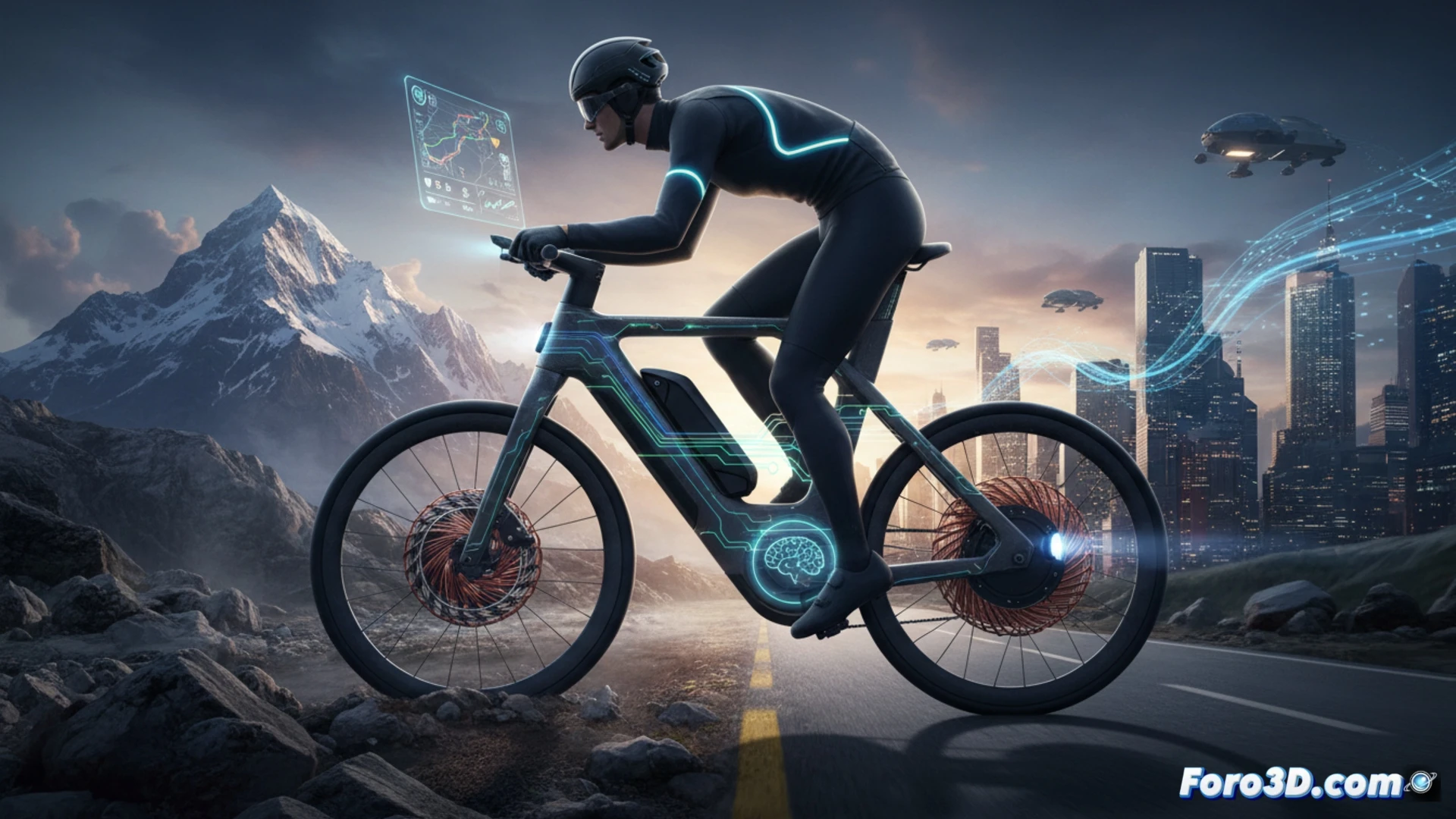
Electronic architecture and 3D component modeling 🛠️
From a technical design perspective, the system relies on a central 48V battery that powers two brushless motors mounted on the front and rear hubs. 3D modeling of these components reveals an optimized chassis for weight distribution and housing torque, cadence, and speed sensors. Simulation of the interaction between the motor controller and the AI module demonstrates how the software processes voice commands to synchronize power delivery, ensuring a smooth transition between assistance modes.
Reflection on the future of assisted mobility 🤖
The true innovation of the Urtopia Fusion lies not only in the two motors but in the AI's ability to contextualize each pedal stroke. By integrating ChatGPT, the system learns routes and preferences, transforming the bicycle into a proactive navigation assistant. This approach sets a new paradigm for the design of light electric vehicles, where software defines the riding experience as much as the hardware.
Considering the dual-motor architecture and voice control of the Urtopia Fusion, how could an onboard 3D LiDAR scanning system be integrated to improve autonomous navigation and predictive safety in complex urban environments?
(PS: modeling a car is easy, the hard part is making sure it doesn't become a cube with wheels)