The company Untold Studios has developed a realistic digital octopus for a Netflix film based on a bestseller. After six months of research and computer animation, they achieved a convincing virtual animal, as training a real octopus was unfeasible. Audiences can expect high-quality visual effects in film and television.
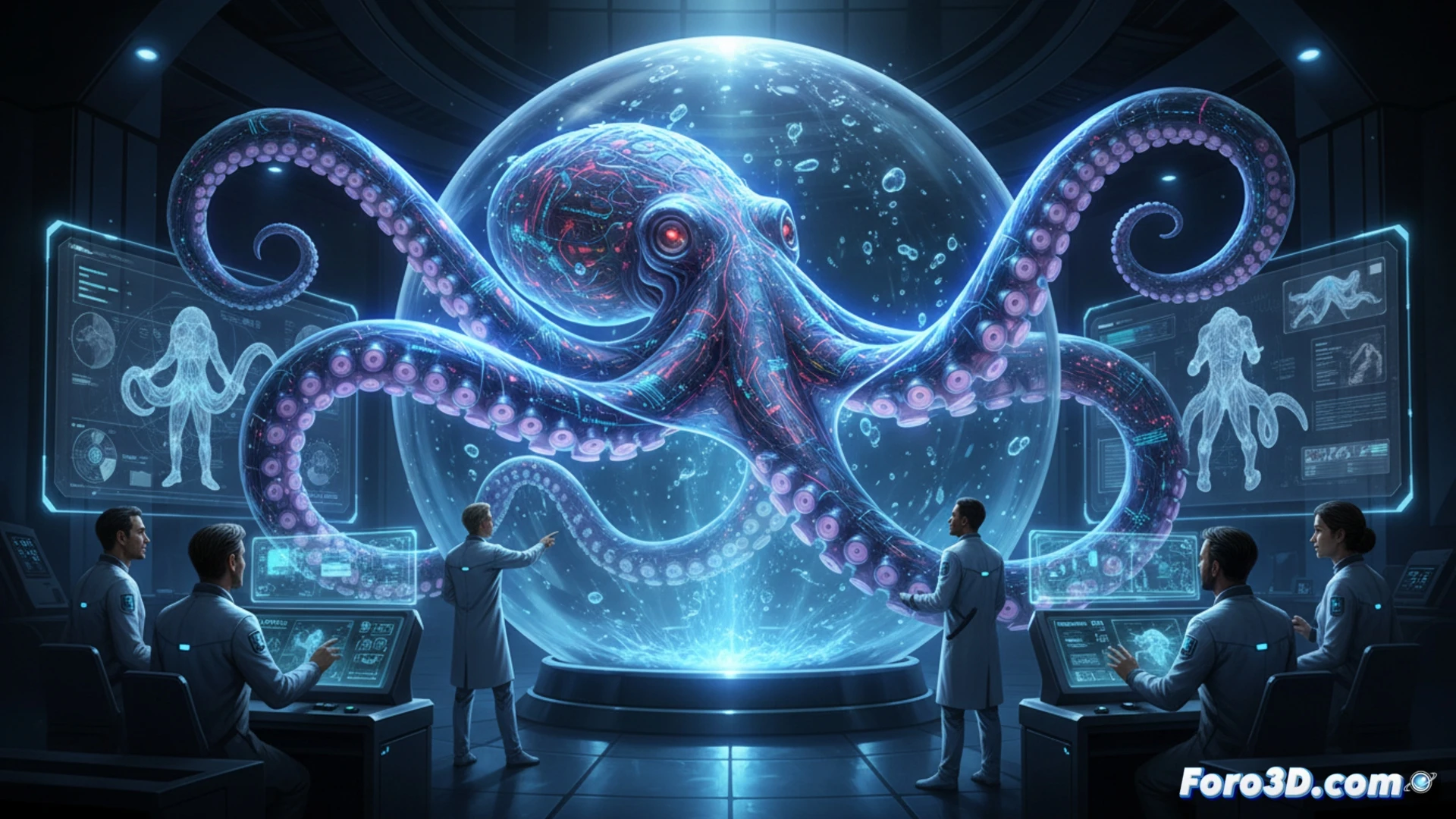
Six months of study for a pixel cephalopod 🐙
To achieve realism, the team studied marine biology for half a year. They analyzed the movements, textures, and color changes of a real octopus. Computer animation allowed them to recreate every detail without relying on a living animal. This technique demonstrates that current technology can simulate complex creatures, offering credible visual results for productions where filming real animals is impossible or impractical.
Digital octopus: cheaper and doesn't need a water tank 💻
In the end, the pixel octopus doesn't require food, doesn't escape from the set, or leave ink everywhere. Animators only need coffee and patience to retouch tentacles. While a real octopus would go on strike for fair wages, this digital one works 24/7 without complaining. So, if you see an octopus on Netflix, don't offer it calamari: it's just a very well-paid visual effect.