At the intersection of contemporary art and digital narrative, the work Casanova, created by Matt Fraction with art by Gabriel Bá and Fábio Moon, emerges as an unavoidable object of study. This comic not only tells the story of an interdimensional thief but also dismantles the conventions of espionage and science fiction to construct a discourse on power and identity. Its minimalist and psychedelic aesthetic, far from being a mere visual whim, functions as a critical tool that directly resonates with the techniques of 3D generative art and the non-linear narratives of digital activism.
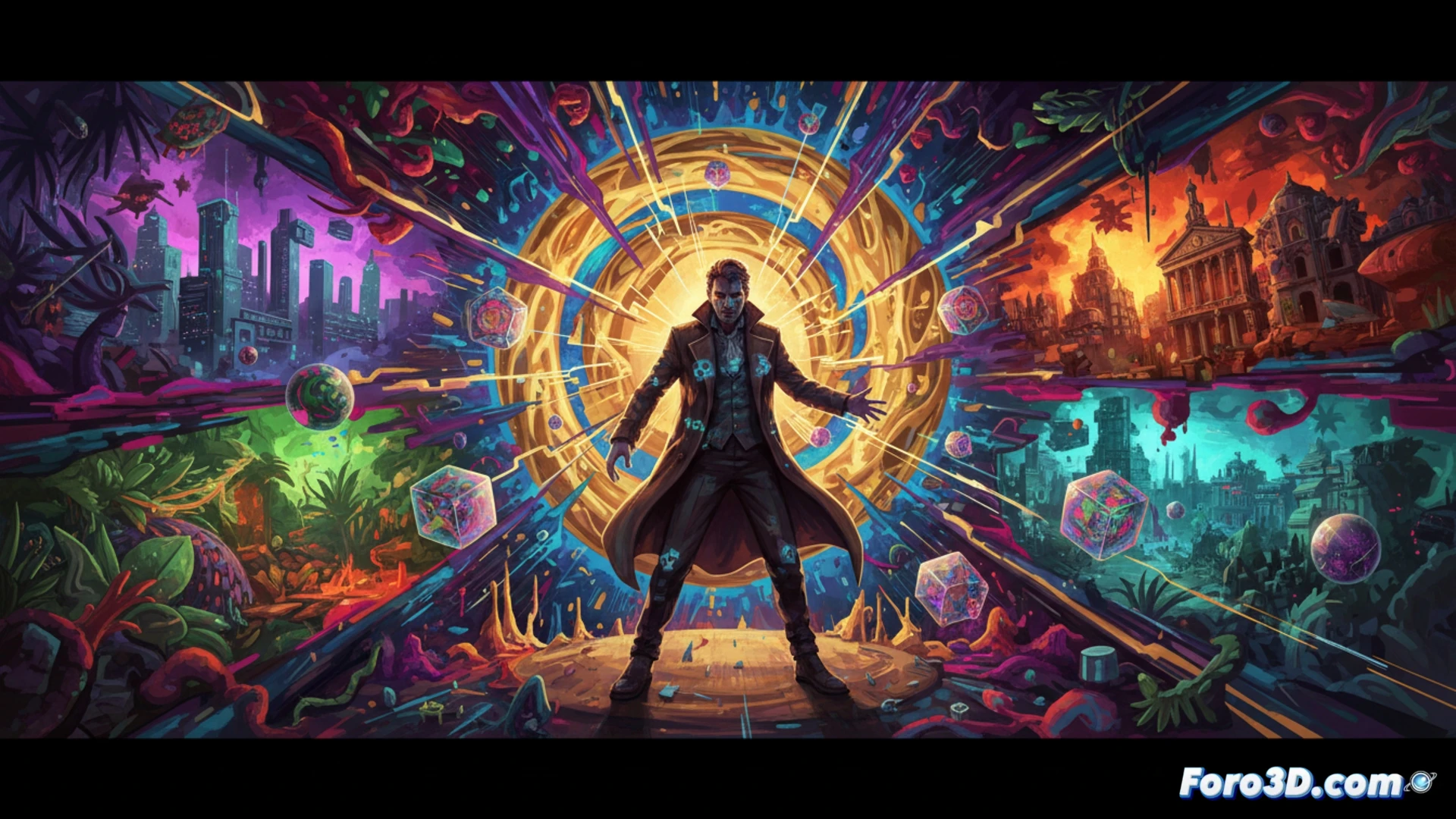
Visual deconstruction: psychedelic minimalism and generative art 🌀
The style of Casanova is characterized by black-and-white drawing or extremely limited flat color palettes, where the dynamism of action takes precedence over realistic detail. This aesthetic choice is not arbitrary; it aligns with the principles of digital minimalism, where the reduction of visual elements seeks to enhance the message. As in 3D generative art, where algorithms create forms from simple rules, Bá and Moon use fluid lines and fragmented compositions to represent the collapse of parallel realities. This experimental visual technique subverts the traditional comic narrative, turning each panel into a statement on the fragility of control structures, a direct echo of the strategies of visual disobedience employed by contemporary digital activism.
Metafiction as a tool for activism 🔍
Casanova Quinn does not just steal objects; he steals realities, exposing the constructed nature of authority. The metafiction in the work, where characters become aware of their narrative existence, functions as an allegory of surveillance and social control. In a context of digital activism, this breaking of the fourth wall translates into an invitation to question the algorithms and systems that govern us. The work demonstrates that an experimental visual language, whether in ink or pixels, can be a powerful weapon to dismantle hegemonic discourses, proposing an aesthetic of resistance where identity is a flow and reality, a political choice.
How can the psychedelic aesthetic and the narrative of parallel universes in Casanova function as a visual manifesto for digital activism in the era of post-truth?
(PS: pixels also have rights... or at least that's what my latest render says)