The Unitree G1 represents a significant leap in low-cost robotics, combining physical agility and industrial precision. However, its development is not limited to physical hardware. The real breakthrough occurs in the virtual world, where 3D modeling allows replicating each joint and dynamic balance system before building a single prototype, optimizing time and resources in automation.
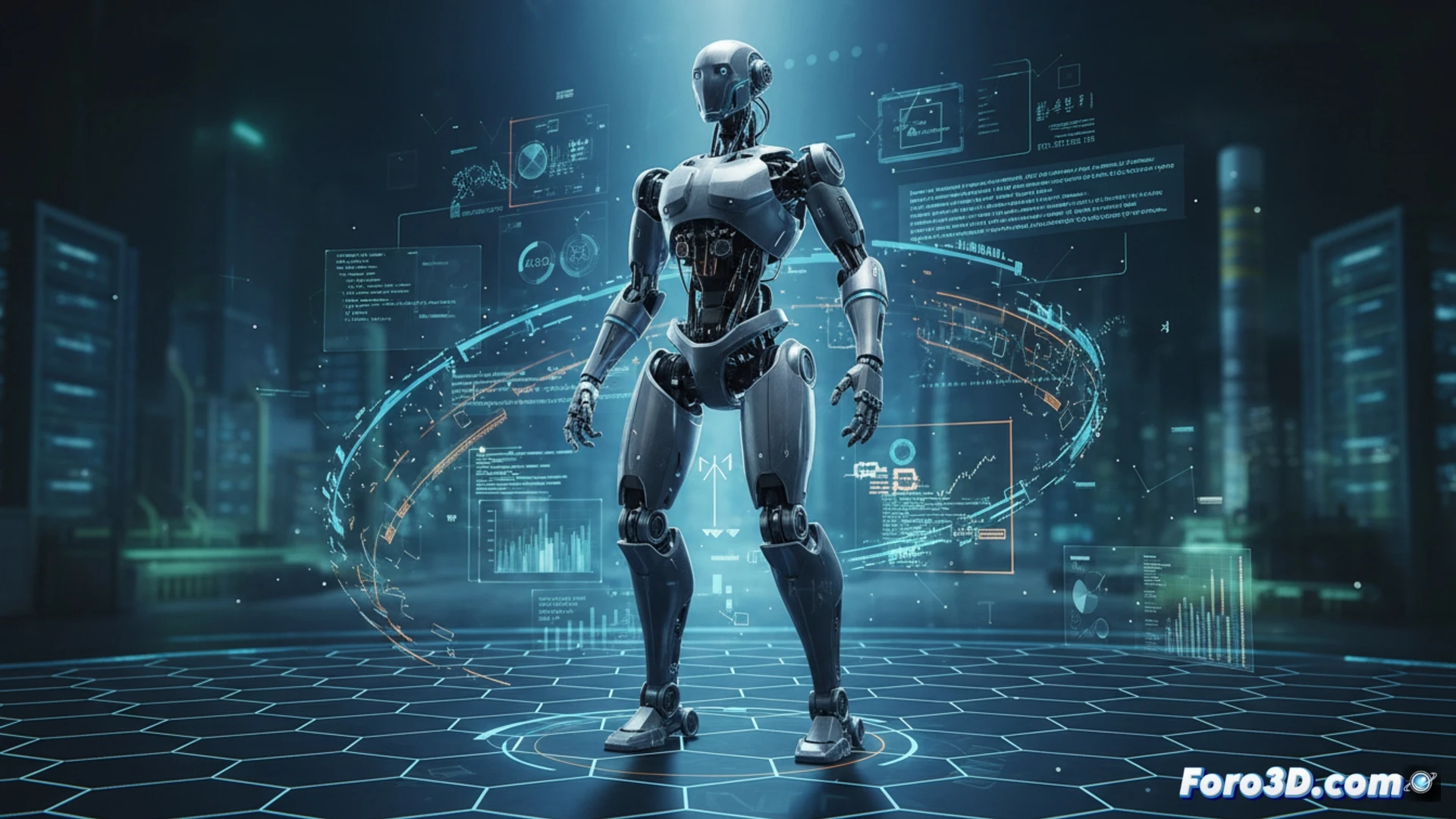
Joint simulation and computer vision in virtual environments 🤖
The technical key of the G1 lies in its folding capability and robotic control system. In a 3D simulation environment, it is possible to model the robot's 23 degrees of freedom with millimeter precision, testing dynamic balance algorithms without risk of physical damage. Furthermore, integrating computer vision into these digital twins allows training neural networks for manipulation tasks, such as assembly or object retrieval, validating the robot's precision in complex industrial scenarios before real-world implementation.
The digital twin as a catalyst for automation ⚙️
Beyond a simple replica, the 3D model of the Unitree G1 acts as a virtual testing laboratory. By simulating its behavior on production lines or in hostile environments, engineers can iteratively refine control and computer vision algorithms. This approach not only accelerates the development cycle but also democratizes access to advanced robotics, allowing small companies to validate industrial tasks without the multi-million dollar investment of a physical prototype.
How to optimize meshing and inverse kinematics in the 3D modeling of the Unitree G1 to achieve realistic simulation of its high-agility movements without compromising computational performance?
(PS: Simulating robots is fun, until they decide not to follow your orders.)