Miguel de Unamuno was an intellectual agitator who challenged any dogma, whether political, philosophical, or religious. His work, centered on faith, reason, and identity, invites the citizen to question certainties and embrace critical and reflective thinking. However, his contradictory nature and constant confrontation with ideologies make a coherent interpretation of his legacy difficult.
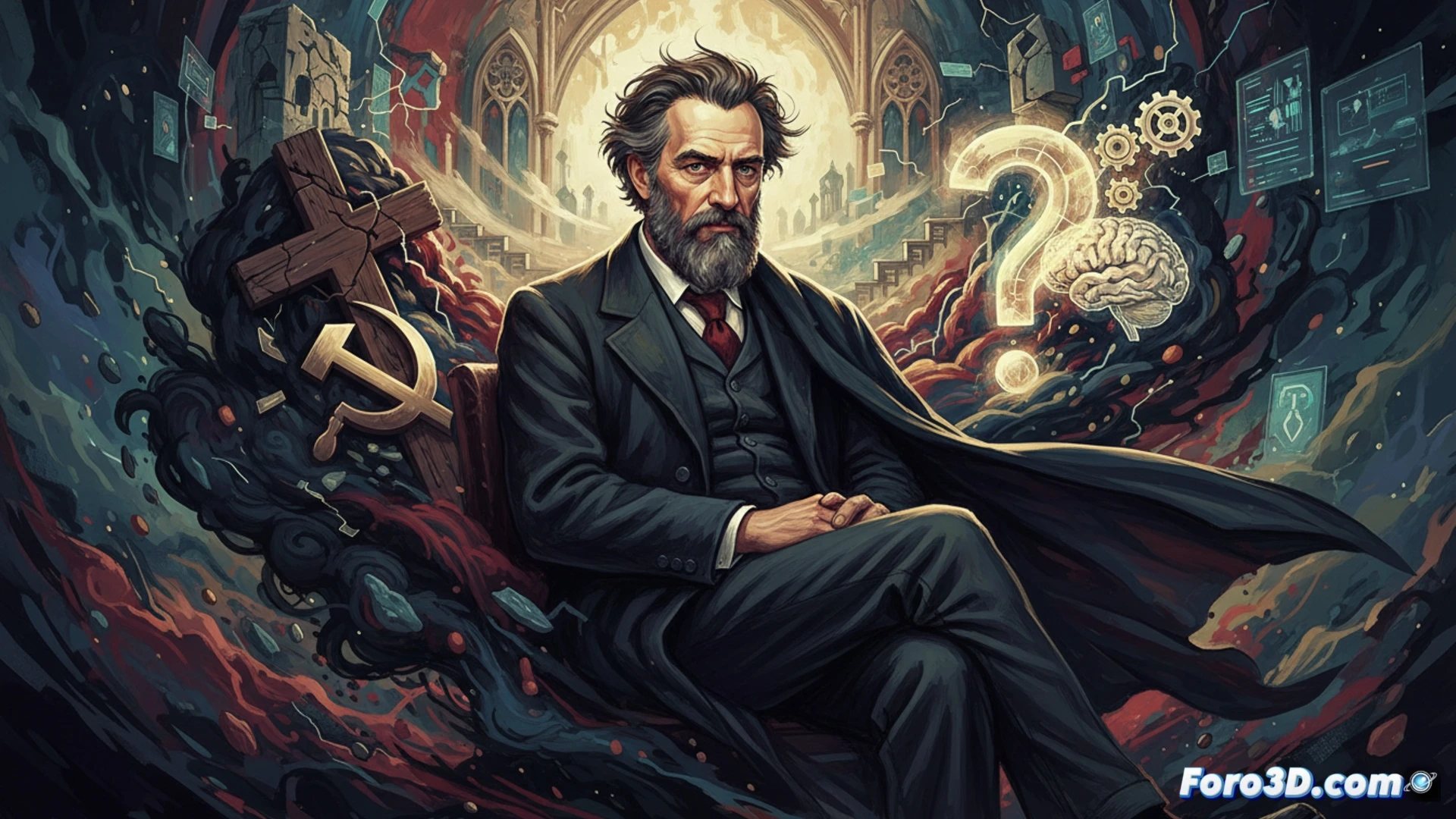
How to apply his existential doubt to software development 🤔
In programming, the Unamunian attitude translates into a rejection of frameworks as dogmas. Instead of accepting a single solution, the developer must debate with themselves: is a monolith or microservices better? Unamuno would say that technical truth is dynamic. Implementing unit tests and constantly refactoring is his equivalent of keeping doubt alive. There is no perfect stack, only contexts that demand continuous review.
The bug Unamuno never debugged: contradiction as a feature 🐛
Imagine Unamuno as a programmer who writes code that works and doesn't work at the same time. His main function would be an infinite loop of existential doubts, and each commit an internal debate. Users would complain: the program says immortality is possible, but then crashes with a faith error. In the end, the product would be unstable, but no one could deny it is interesting. As he would say: let them invent the debugger.