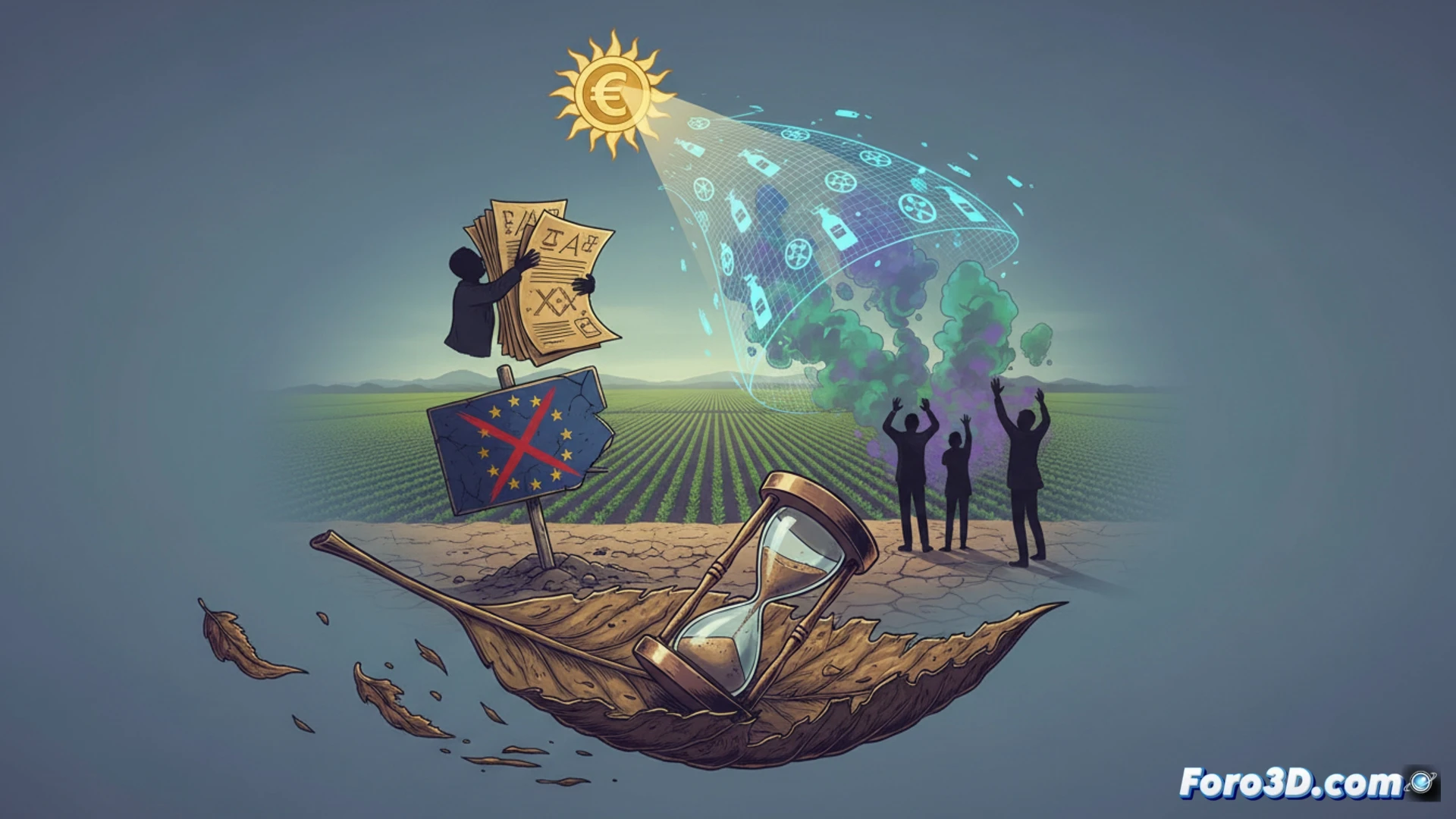
The European Union has decided to withdraw its proposal to reduce pesticide use by 50% by 2030, three years after presenting it. The European Commission, seeking to ease regulatory burdens, is now considering approving most of these products permanently. Environmental groups criticize the shift, warning of risks to human health and ecosystems, in contrast to the initial ambition of 2023.
The technical development behind the regulatory change 🔧
The withdrawal of the regulation responds to pressures from the agricultural sector and a cost analysis that pointed to a high economic impact. From a technical standpoint, the Commission argues that the permanent approval of already evaluated pesticides streamlines bureaucratic processes and reduces uncertainty for farmers. However, critics point out that this eliminates periodic safety reviews, leaving the responsibility of updating data on toxicity and long-term effects on pollinators in the hands of the industry.
Pollinators: from heroes to collateral damage 🐝
It seems the EU has decided that bees and butterflies no longer need a vacation. If in 2023 former Commissioner Kyriakides warned about their collapse, today the Commission prefers to approve pesticides for life, as if they were an indissoluble marriage. Environmentalists warn that, at this rate, we will soon see bees in tiny reflective vests seeking asylum in organic gardens. At least, the countryside will have less paperwork, even if it is more toxic.