The Transportation Security Administration (TSA) is preparing a shift in airport security checks with the TSA Gold+ program. The initiative, backed by President Trump and Republican sectors, proposes that contractors manage advanced technology, including artificial intelligence, to speed up lines. The agency would retain oversight, a model that also attracts bipartisan interest and aligns with Project 2025.
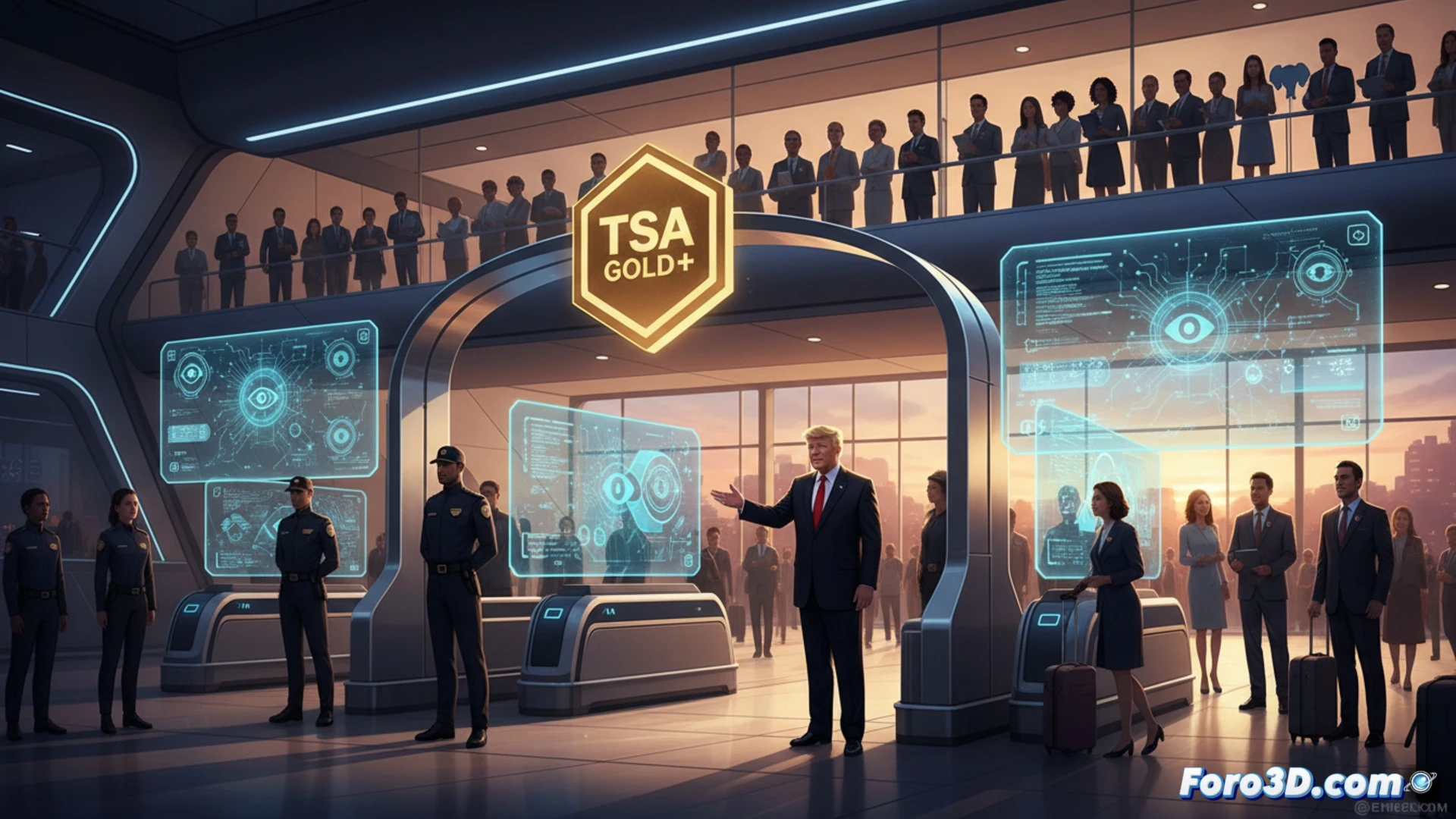
AI and Private Management: The New Control Model 🛩️
The TSA Gold+ plan aims to replace the current system where the agency operates X-ray and detector equipment. Contractors would take over the installation and maintenance of AI-powered tools, such as object recognition scanners and predictive threat analysis. The TSA would retain authority over security protocols and incident response. An event with airports and private companies is expected to define timelines and technical requirements.
Finally, Someone Else Will Deal with the Broken Scanners 😅
The TSA discovers that delegating to contractors can be more efficient than waiting for the government to approve a new budget to replace a conveyor belt. Now, if the scanner fails, the blame will fall on a private company, not the official on duty. Sure, AI promises to detect even your breakfast, but the algorithm will surely also know if you're carrying an undeclared jar of jam.