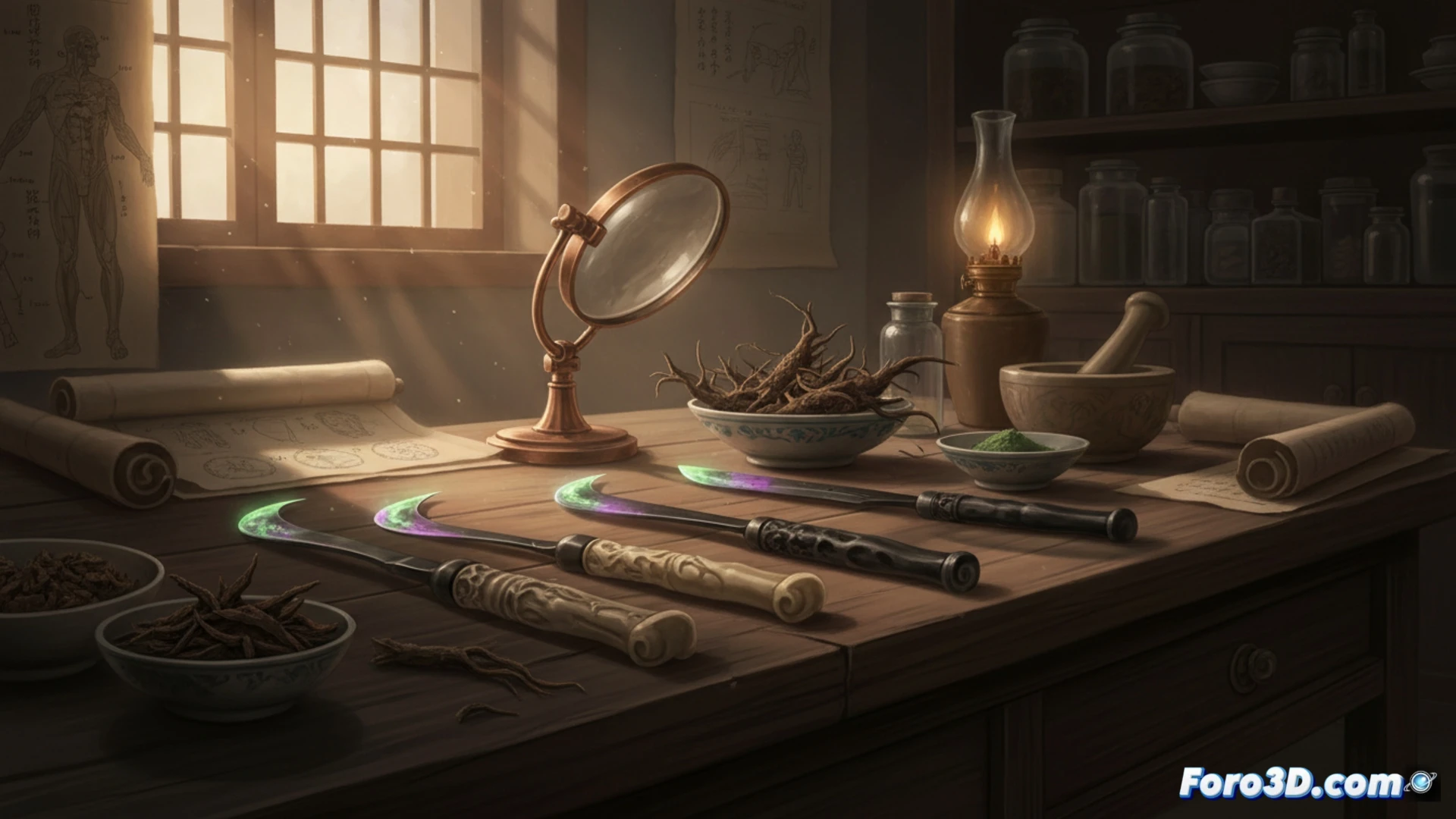
The analysis of surgical instruments from physician Xia Quan (1348-1411) has revealed the oldest chemical evidence of anesthetic use. Scientists detected aconitine, a toxic alkaloid from Aconitum plants, on the tips of the utensils. The localized concentration rules out accidental contamination, pointing to a deliberate application to numb tissues before incision.
Ming Science: How They Controlled a Deadly Poison 🧪
Ming dynasty texts detail methods to mitigate aconitine toxicity, such as macerating the plant in child's urine or vinegar. These basic chemical processes reduced lethal effects while maintaining anesthetic properties. The finding shows advanced empirical knowledge: 15th-century Chinese surgeons already managed precise doses of a lethal compound to achieve surgical sedation, anticipating principles of modern pharmacology.
The Patient: Between Pain and Grandma's Recipe 😅
Imagine the scene: surgeon with a scalpel coated in aconite, and the patient swallowing vinegar and infant urine as preparation. The anesthesia worked, but the prior cocktail must have been memorable. If you survived the poison, you still had to explain why you smelled like pee. The Ming called it science; we call it a protocol no ethics committee would approve today.