Disney and Pixar marked a before and after in animation with Toy Story in 1995, proving that digital stories could have soul. Almost thirty years later, the franchise not only survives but is preparing for its fifth installment. A few days before its release, we analyze how this saga has managed to stay relevant without falling into total burnout.
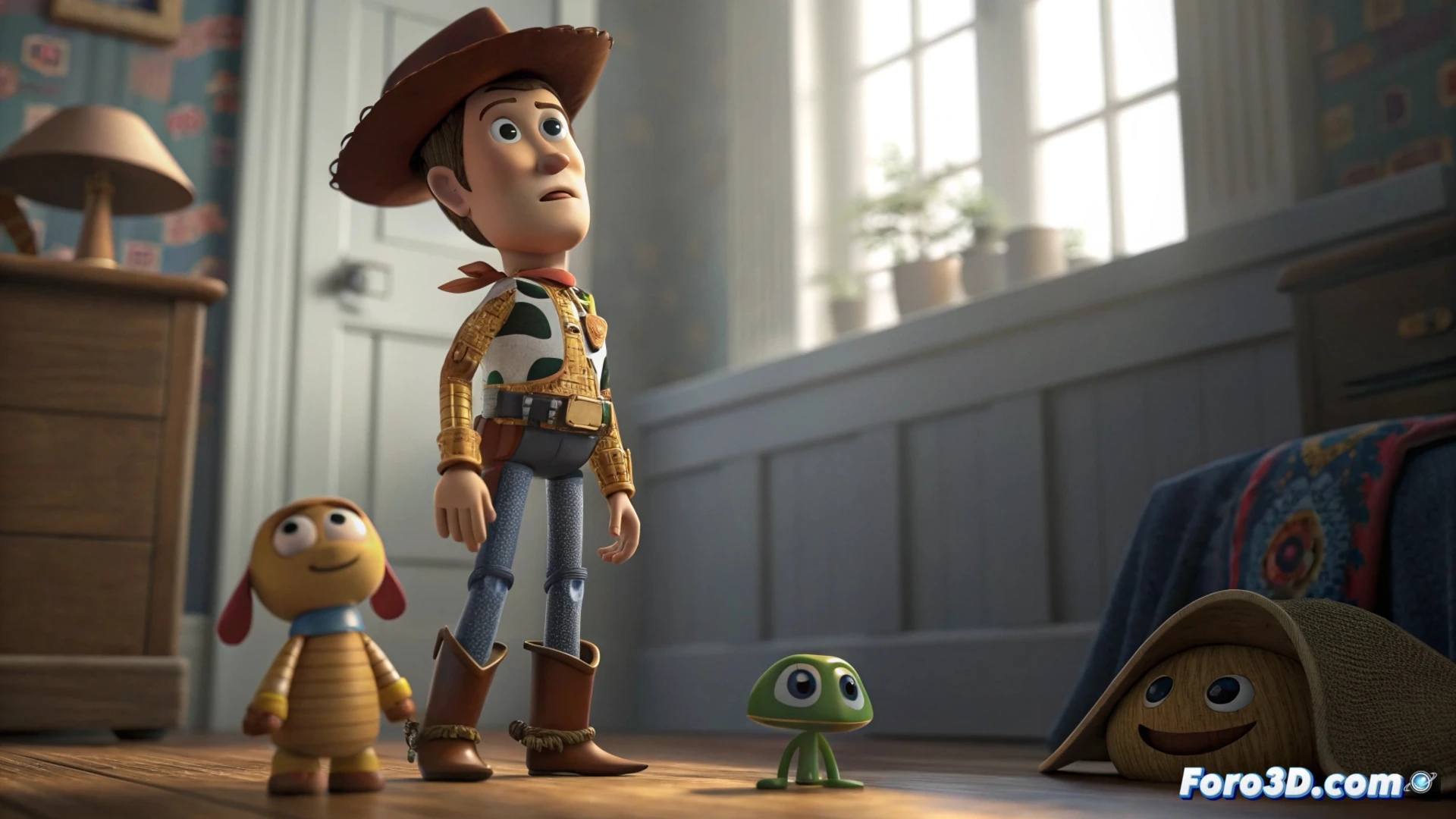
The invisible engine: how Pixar avoided technical collapse 🛠️
From the first film, Pixar had to innovate at every step. For Toy Story 5, the development team has optimized global illumination and cloth simulation systems, making the toys look more realistic without losing their plastic essence. The physics engine, key in action scenes, has been rewritten to handle complex interactions between small objects. All of this runs on a rendering architecture that allows for quick iterations, something unthinkable in 1995, when a single frame took hours to process.
Woody and Buzz: two old-timers who don't plan to retire 🪀
In this fifth installment, Woody once again questions his place in the world, something he already did in the previous four. Buzz, for his part, still doesn't fully understand how the buttons on his space pack work. The plot promises a new villain, but we all know the real enemy is the passage of time and a toy battery that never lasts long enough. That said, at least they haven't resorted to the multiverse. Yet.