When we talk about directors who have marked a before and after in feature-length animation, Toshiyuki Tsuru is a name that deserves attention. This veteran animator not only worked on key episodes of Naruto, but also demonstrated that it is possible to achieve realism without relying on rotoscoping. His hallmark: dense shadows, dramatic lighting, and movements that seem straight out of a film noir movie.
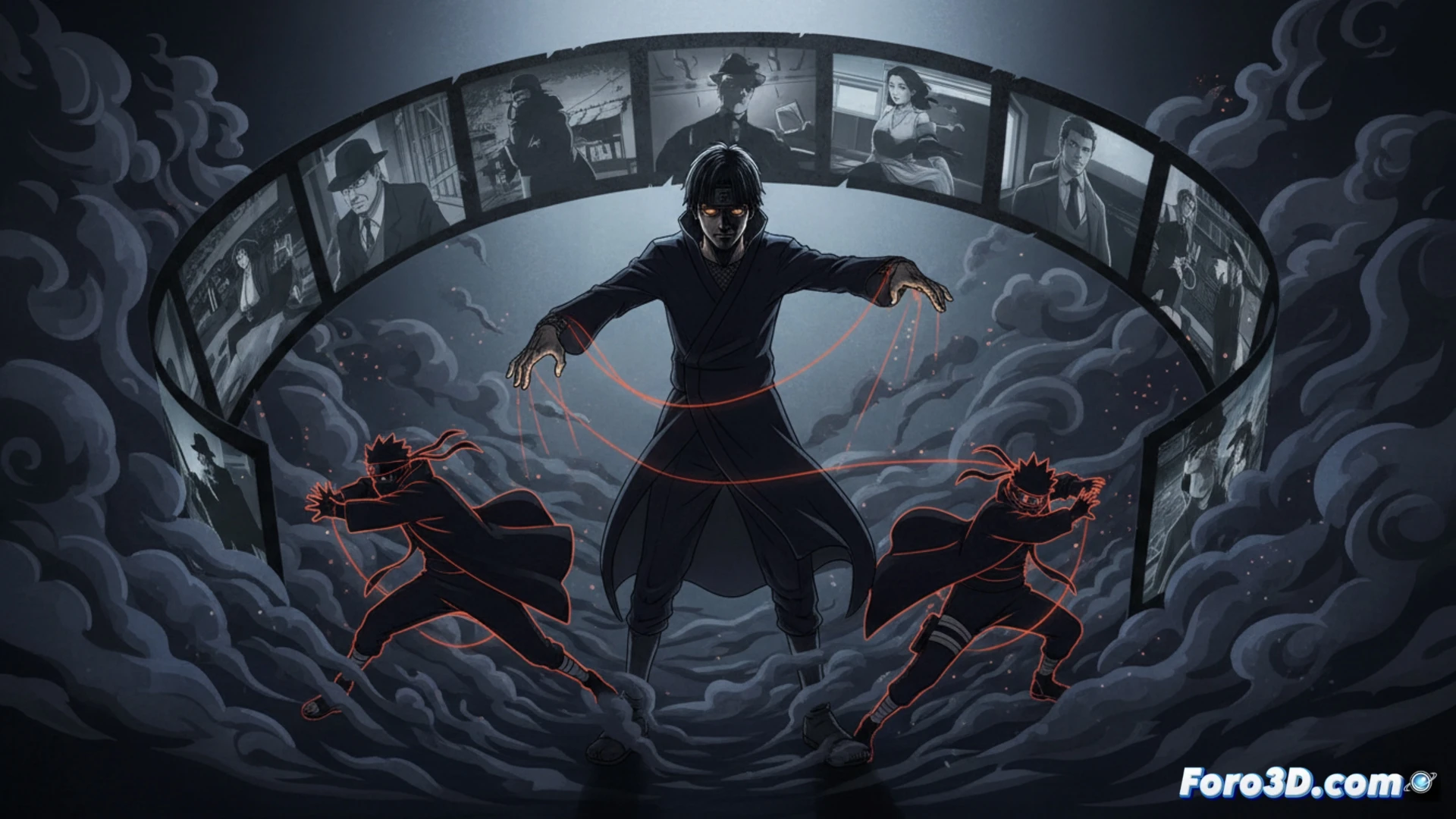
Cinematic lighting and animation without shortcuts 🎬
Tsuru applies a technique that many call tactile realism. Instead of using rotoscoping, he studies human movement to the point where every punch or fall feels organic. His handling of light and shadow is not decorative: he builds atmospheres that convey tension or melancholy. In Kurozuka, for example, every frame looks like a painting in motion. In Naruto, his fight scenes stand out for choreographies that prioritize body weight and gravity, without exaggerations.
When shadows speak louder than dialogue 🌑
While other directors fill the screen with explosions and particle effects, Tsuru prefers his characters to fight in the shadows. It's as if he made a pact with darkness: in exchange for deep shadows, his fights become more intense. That said, if you're one of those who gets lost in dark scenes, better turn up your monitor's brightness. Because here there are no fill light filters: sobriety is the norm, and the viewer must make a bit of an effort.