Although storms can temporarily stall, like Hurricane Harvey in 2017 over Houston, they eventually dissipate upon reaching land, facing wind shear, or encountering colder waters, losing their energy source. The intertropical convergence zone generates intense but short-lived storms, not perpetual ones.
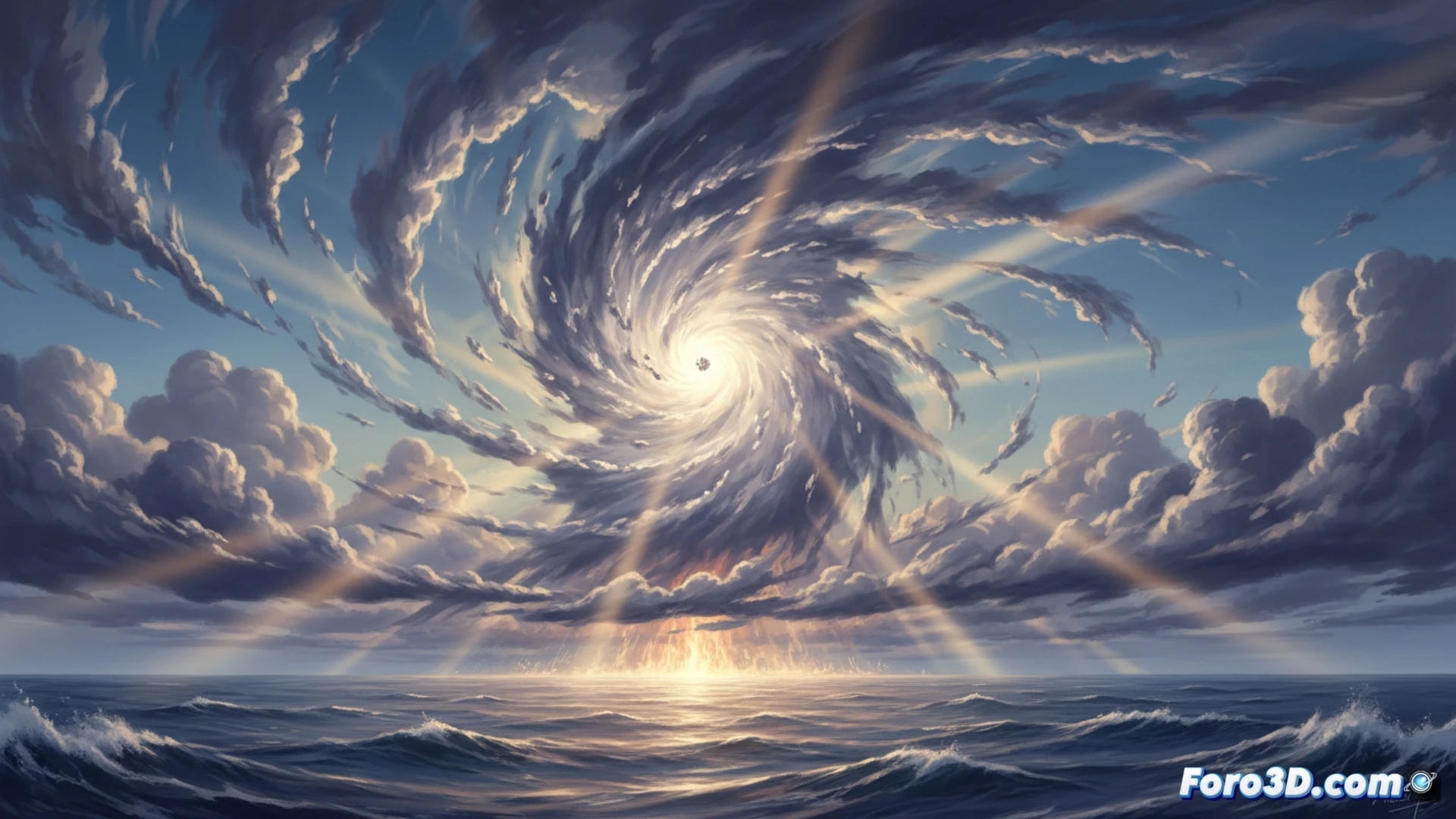
Climate technology and the limits of the atmosphere 🌪️
Current weather modeling systems, based on satellites and supercomputing, confirm that an eternal storm would violate thermodynamic principles. Jet streams displace weather systems, and without a continuous source of heat and moisture, any cyclone weakens. Even persistent phenomena like the monsoon are seasonal, not perpetual. Atmospheric physics imposes limits that even technology cannot circumvent.
Spoiler: not even hurricanes want to work without rest 🌩️
So, if you were hoping for an eternal storm to justify not going to work, bad news. Not even nature is cruel enough to condemn a cloud to an endless workday. Storms, like us, need vacations: they dissipate, head out to sea, or get bored of spinning around. An interesting narrative device, but in real life, even hurricanes ask for the weekend off.