Tom King and Gabriel Hernández Walta, the duo who redefined Marvel's Vision, reunite at Dark Horse for their second collaboration. Six of Us, a neo-noir set in the darkest corners of Hollywood, follows surviving actors grappling with rivalries and secrets as fiction and reality blur. It arrives on September 9 with a cover by Walta and deluxe variants. 🎬
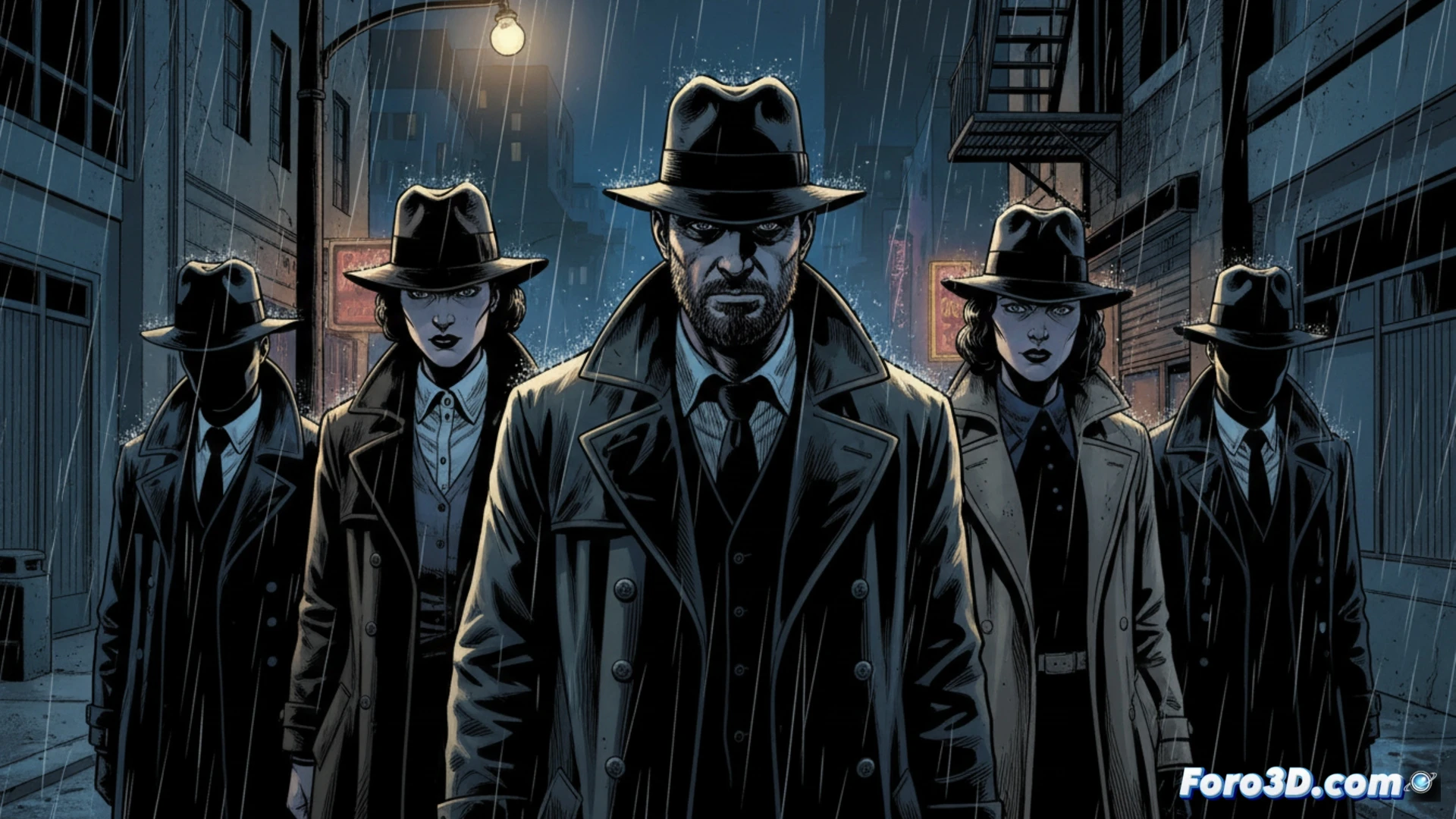
How Walta builds visual suspense in Six of Us 🎭
Walta applies compositional techniques inherited from his Marvel days, such as the use of close-ups and asymmetrical panels to generate claustrophobia. In Six of Us, the contrast between dense shadows and harsh lights evokes classic film noir, while character design with ambiguous gestures reinforces the doubt between reality and performance. King structures the narrative with time jumps that Walta resolves through shifts in color palette, differentiating past and present without the need for text.
Confused actors: Stanislavski method taken to the extreme 🎥
The synopsis suggests the protagonists no longer know if they are on a set or in their own lives. You know, what happens to any method actor after three weeks shooting a crying scene. King and Walta offer us a thriller where the line between character and person is as thin as a streaming series budget. The only sure thing is that, at least, no one will have to pay the set's rent.