After World War II, Josip Broz Tito emerged as a firm leader in Yugoslavia, initially aligned with the Soviet Union. However, his refusal to submit to Moscow's directives led to a historic break with Stalin in 1948. Far from falling, Tito forged an independent path that turned a key ally into a strategic headache for the Soviet bloc.
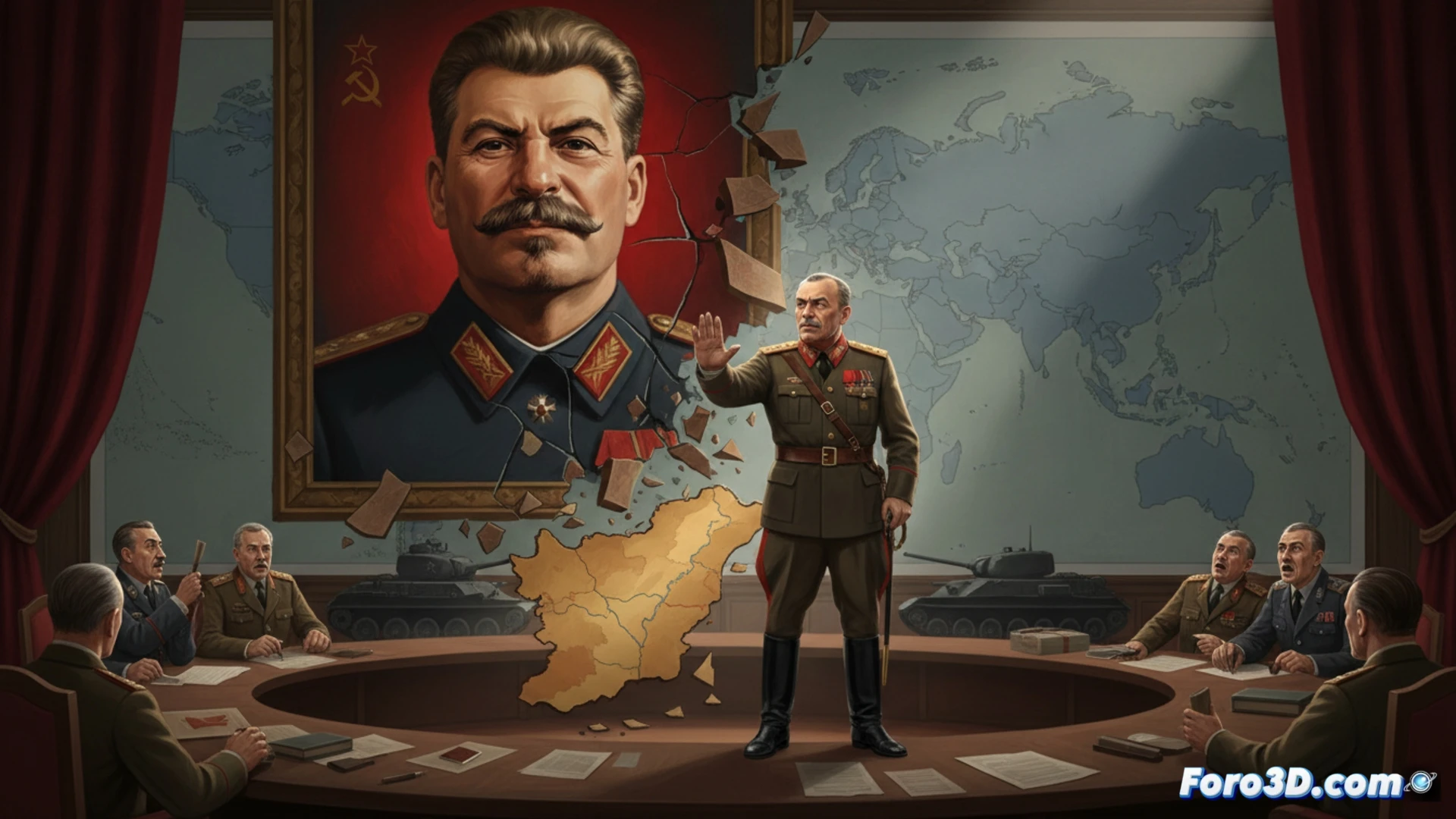
Autonomous development: how Yugoslavia avoided the Soviet technological blockade 🛠️
After the break, Yugoslavia needed to build its own industrial base without relying on Comecon. Tito promoted decentralization and opened the country to Western technology. Everything from M-84 tanks under license to steel plants with American assistance were manufactured. The local automotive industry, with brands like Zastava, produced vehicles under a Fiat patent. This hybrid model allowed Yugoslavia to maintain an intermediate level of technical development, without falling into the planned obsolescence of the Eastern bloc.
The problem of having an ally who doesn't ask permission to innovate 🤯
Imagine being Stalin and seeing that your former ally not only stands up to you but starts buying technology in the West while you're stuck with 1930s tractor blueprints. Tito showed that you can be a communist and have cars that don't smell like coal. Sure, in the end, the model wasn't perfect, but at least Yugoslavs could travel abroad without applying for a visa that took three years. Of course, the economy suffered, but hey, no one said independence was cheap.