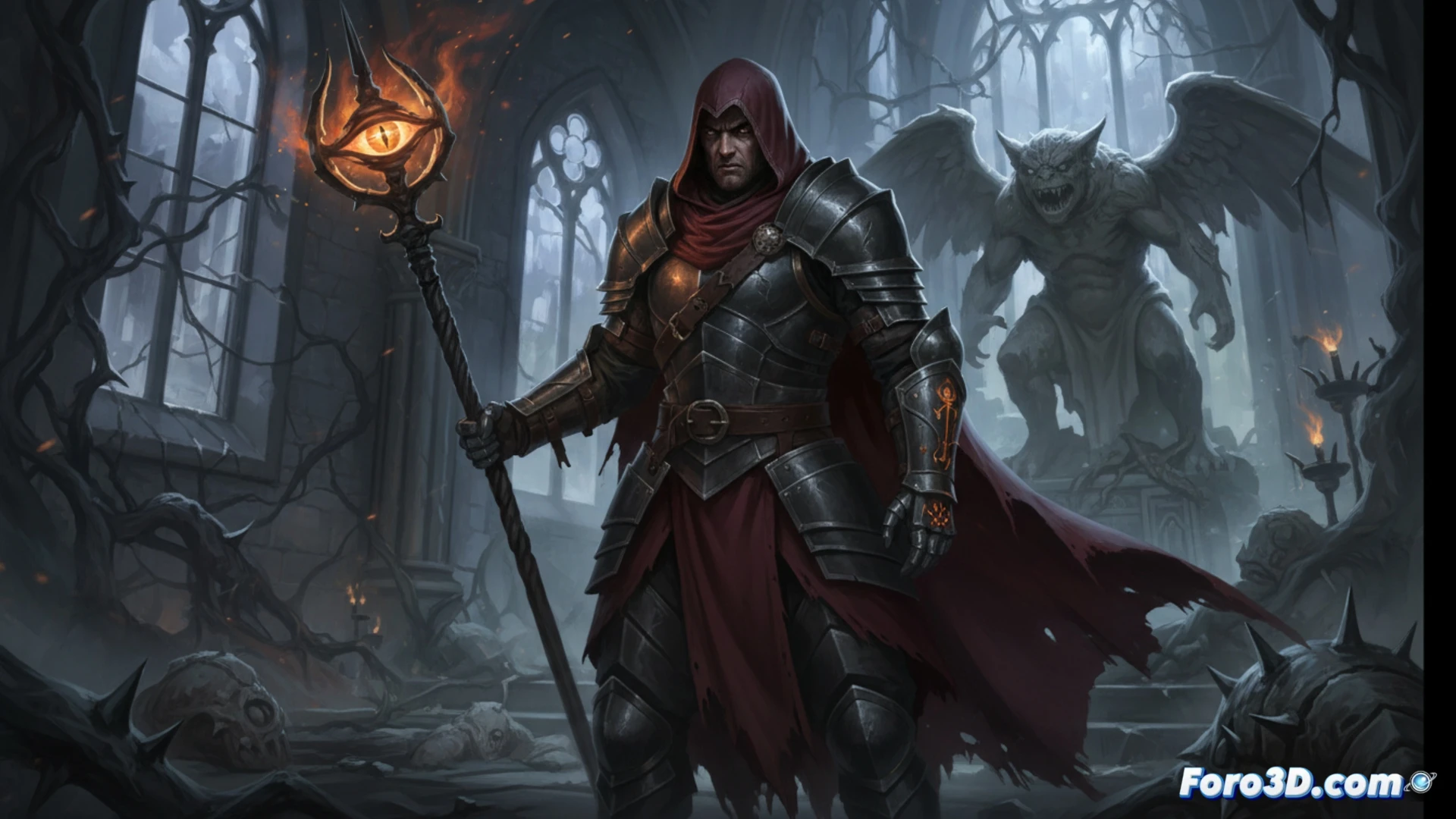
The Inquisitor immerses us in a dark fantasy where oppression is felt in every realistic texture. Developed in Unity, the title bets on a grim realism that defines its visual identity. The faces, thanks to scanning techniques, achieve an expressiveness that reinforces the atmosphere of constant tension. A journey into the most sordid corners of faith and penance.
Facial scanning and textures: the Unity engine under pressure 🎭
The team combined Unity with Blender and ZBrush to sculpt a world of digital penance. The facial scanning of actors allows every grimace to convey doubt or fanaticism, avoiding the uncanny valley. Dynamic lighting and custom shaders create shadows that seem to move with their own intent. The result is an aesthetic that prioritizes visual narrative without sacrificing performance, although Unity trembles when loading so many polygons of sin.
The sin of bugs: when the Inquisition has to restart 🐛
Of course, so much darkness comes at a price: bugs appear like unexpected heresies. An inquisitor stuck in a corner isn't scary, it's funny. And the scanned faces, so expressive, sometimes show surprise at a physics error. In the end, the player prays not for their soul, but that the game doesn't crash at the most tense moment. The penance of patches is real.