A study reveals that a low-cost diagnostic test can detect antibiotic-resistant infections in minutes. The WHO has recommended it for years. Yet, in hospitals across Africa and Asia, it remains a luxury. Technology advances, but primary care budgets seem frozen in another decade. The paradox is clear: the solution exists, political will does not.
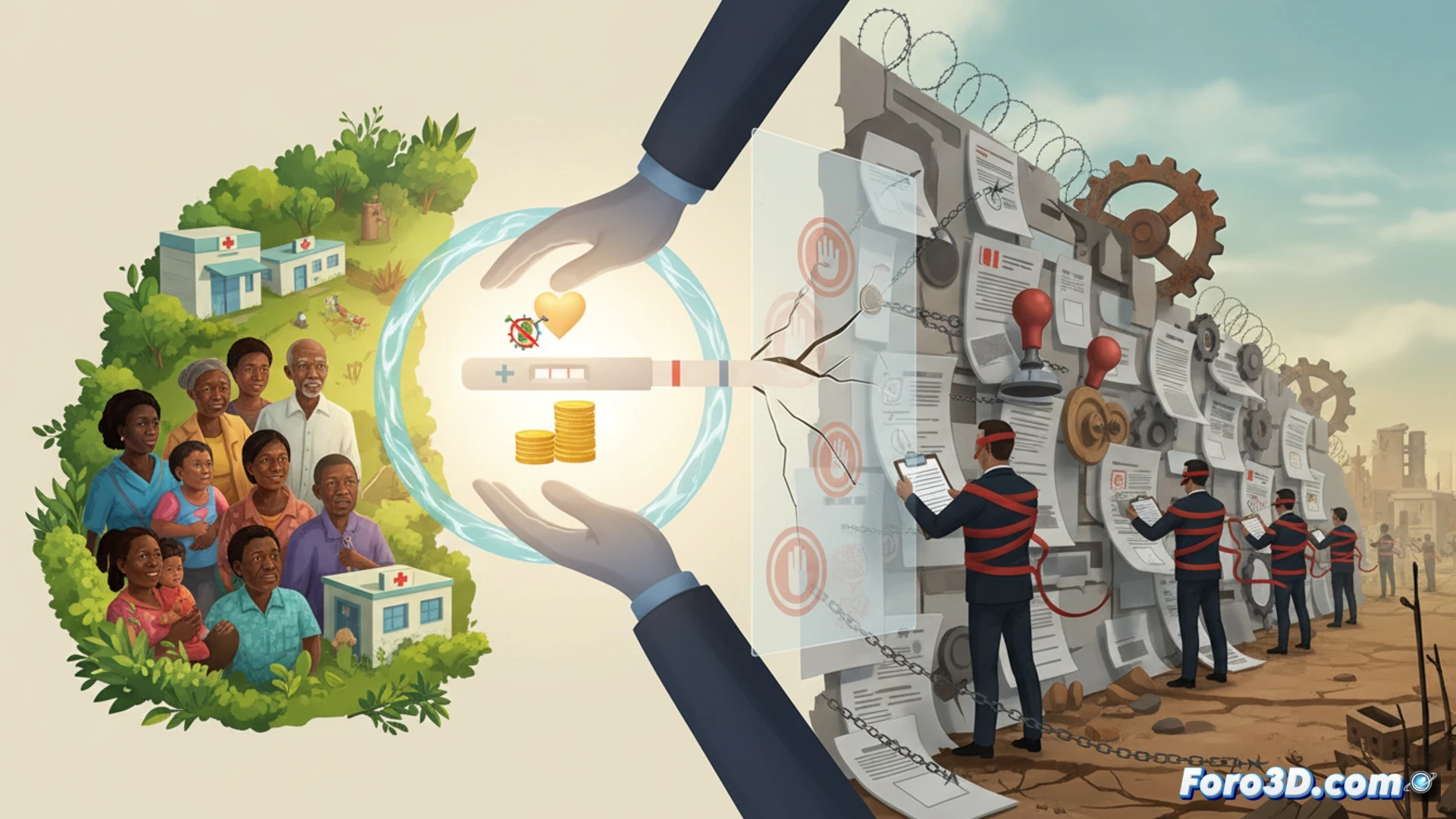
A paper chip that detects bacteria without electricity 🧪
The device works with a drop of blood and a portable reader the size of a phone. It uses nanoparticles that change color upon contact with bacterial enzymes. Its cost per test is less than one dollar. It requires no refrigeration or specialized personnel. In field trials in rural areas of India, it showed 94% accuracy. Developers claim it can be mass-produced with 3D printers. The barrier is not technical, but logistical and, above all, political.
The WHO applauds, the ministry takes a nap 😴
Meanwhile, in government offices, the report is being studied very carefully. Perhaps by 2040 it will be approved, just when the bacteria is already unstoppable. Health ministers prefer to inaugurate glass hospitals in the capital rather than buy these paper strips for the villages. It is easier to put up a marble plaque than to save real lives. But don't worry: the expert committee is already forming a subcommittee to analyze the matter.