Robert Kirkman, Joe Casey, and Andy Kubert team up to launch Terminal, a series that promises to revitalize the superhero genre. The premise combines horror with the over-the-top aesthetic of 1990s comics, presenting two superhuman factions trapped in a conflict with no clear heroes. The universe is entirely new, and the creators are betting big on an event-driven narrative, despite market skepticism toward original ideas.
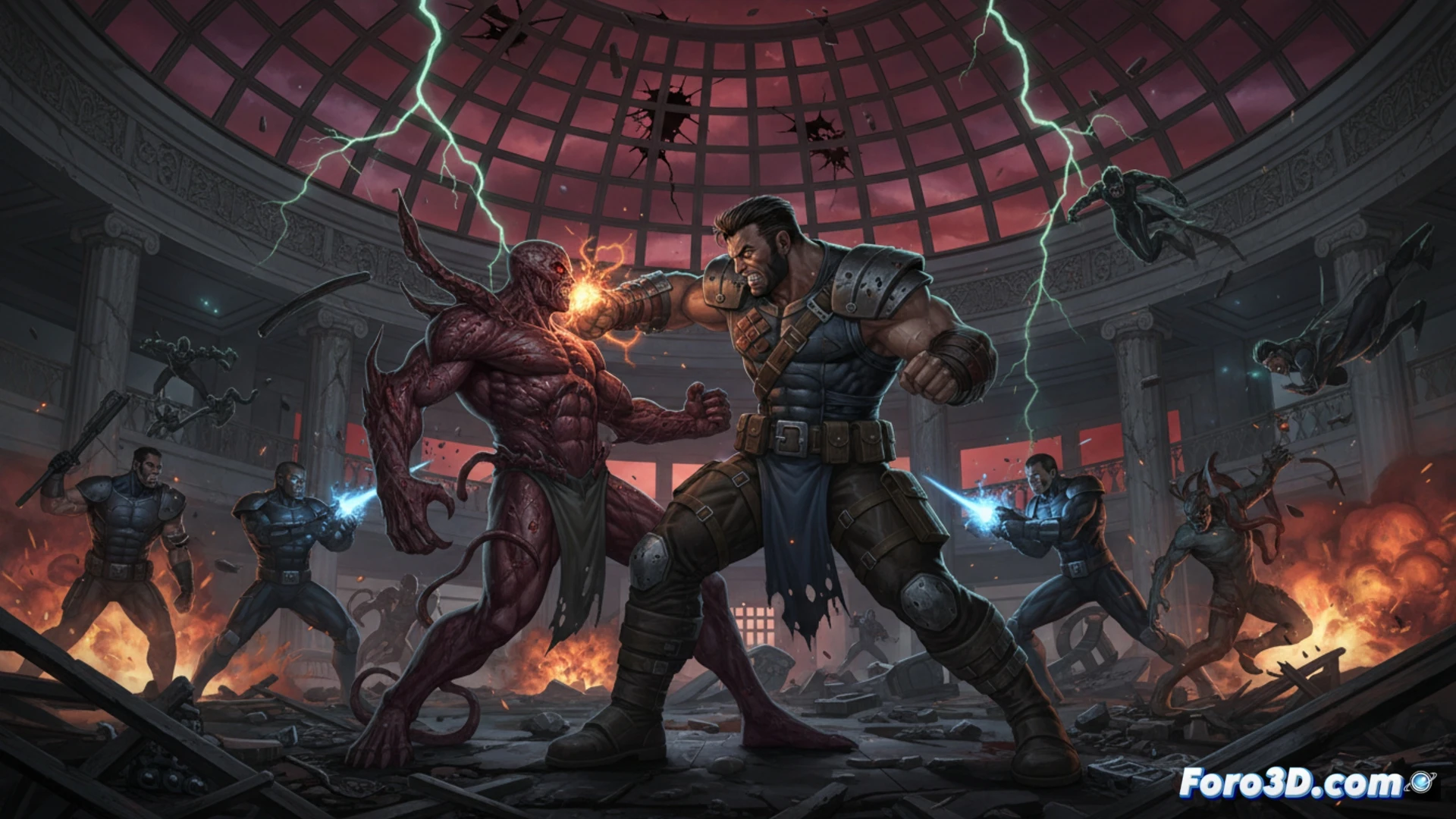
The Technical Engine of the New Superhuman Universe ⚙️
The development of Terminal relies on a production approach that prioritizes Kubert's striking artwork, with dense and dynamic panels evoking the style of the 1990s. The narrative is structured around morally ambiguous factions, avoiding classic good-versus-evil dichotomies. Each issue is designed to function as a standalone event within a larger arc, with a rhythm aimed at capturing the modern reader's attention without relying on external crossovers. The editorial planning is meticulous, with monthly releases adhering to tight deadlines.
Two Factions That Hate Each Other, and We Don't Know Why 💥
The best part of Terminal is that no one is right. One faction believes power must be controlled; the other, that it must be unleashed. Both have compelling reasons, and neither is likable. So the reader can choose a side by flipping a coin, or simply enjoy the chaos as the characters shout at each other and shoot beams from their eyes. After all, in the 90s, what mattered wasn't the message, but that the covers were shiny.