The TEFAF New York fair celebrated its 2026 edition from May 15 to 19 at the Park Avenue Armory, bringing together nearly 90 exhibitors from 14 countries. The event, which combines modern and contemporary art, design, jewelry, and antiques, has established itself as an essential appointment of New York Art Week, recording a notable flow of visitors and commercial transactions.
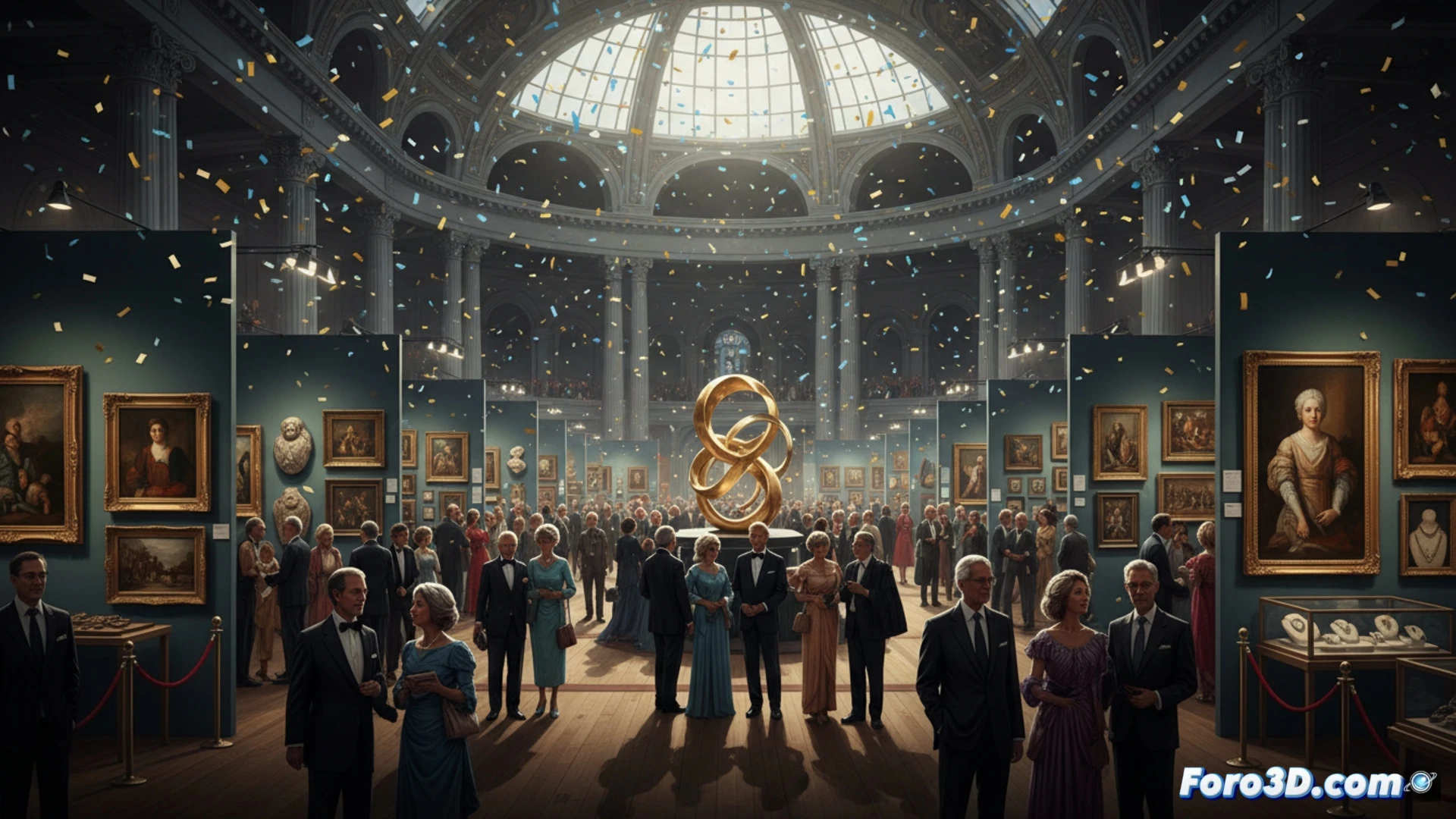
The Armory goes digital: collection management and authentication 🖥️
The organization implemented a blockchain-based inventory management system to track the provenance of the exhibited pieces, reducing document verification times. Additionally, a network of interactive touchscreens with augmented catalogs was deployed, allowing attendees to consult technical details of the works by scanning QR codes. The Armory's climate control infrastructure was adjusted to maintain stable humidity and temperature conditions in the antiques and fine jewelry areas.
Selling art in 2026: less posturing, more QR codes 📲
The most revolutionary thing about TEFAF was not a Rothko painting, but seeing 70-year-old gallerists explaining to collectors how to scan a code to view the work's history. Meanwhile, in the jewelry area, a buyer tried to pay with cryptocurrency for an 18th-century necklace, and the jeweler replied that he preferred a check, thank you. Art advances, but bureaucracy still carries a cane and a monocle.