Innovation has managed to reduce the cost of medical equipment, such as portable ultrasound machines or low-budget sensors. However, these advances clash with an uncomfortable reality: healthcare systems, both public and private, do not prioritize accessibility to advanced diagnostics. It is paradoxical that effective and affordable solutions exist, yet they still fail to reach those who need them most, especially in rural areas and for the child population. The lack of political will and investment in infrastructure is the real obstacle.
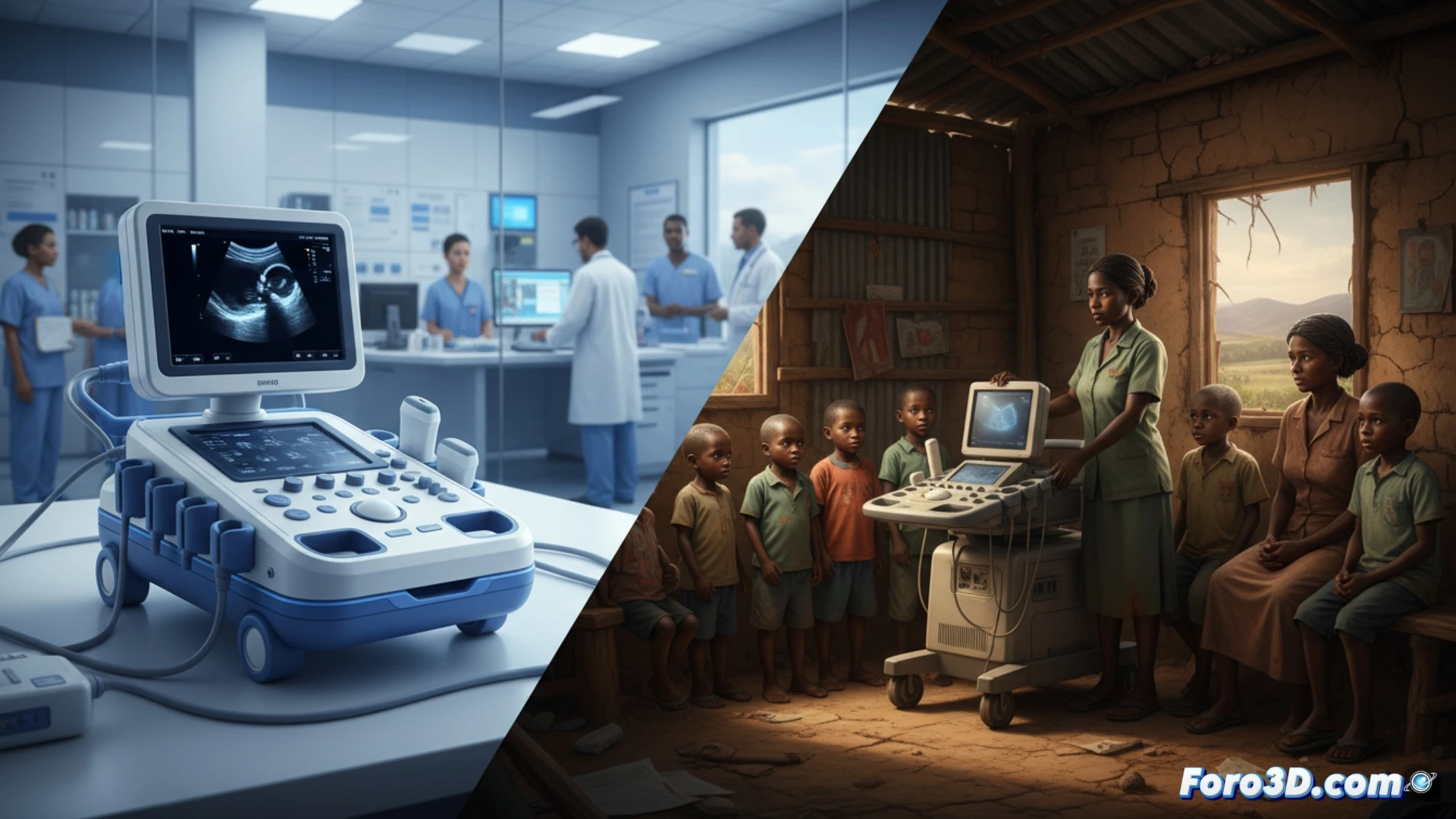
The dilemma of innovation versus bureaucracy 🤖
Technological developments, such as ultrasound devices connected to mobile phones or low-cost blood analyzers, have proven reliable in clinical trials. Their mass production could drastically reduce hospital expenses. But the problem is not technical: traditional manufacturers maintain abusive prices thanks to exclusive contracts and political lobbying. The solution is not to create more technology, but to force hospitals to adopt these alternatives through state regulations and fund their distribution, rather than leaving it to the market.
The trick is not to look at the price of health 💸
It seems the medical industry has discovered the magic formula: sell expensive equipment that is barely used and then complain that innovation is not reaching them. Meanwhile, a 50-euro ultrasound machine gathers dust in a warehouse because there is no budget to train a technician. But no problem: we will keep buying luxury CT scanners so hospital executives can show off at conferences. After all, public health is a business, not a right.