A 3D printing technician is no longer limited to changing spools. Today's 3D technology allows scanning broken parts, repairing digital models, and optimizing parameters in real time. For example, a structured light scan detects deformations that go unnoticed to the naked eye, preventing calibration failures. Programs like Fusion 360, PrusaSlicer, and Blender are the basic trio for working with precision.
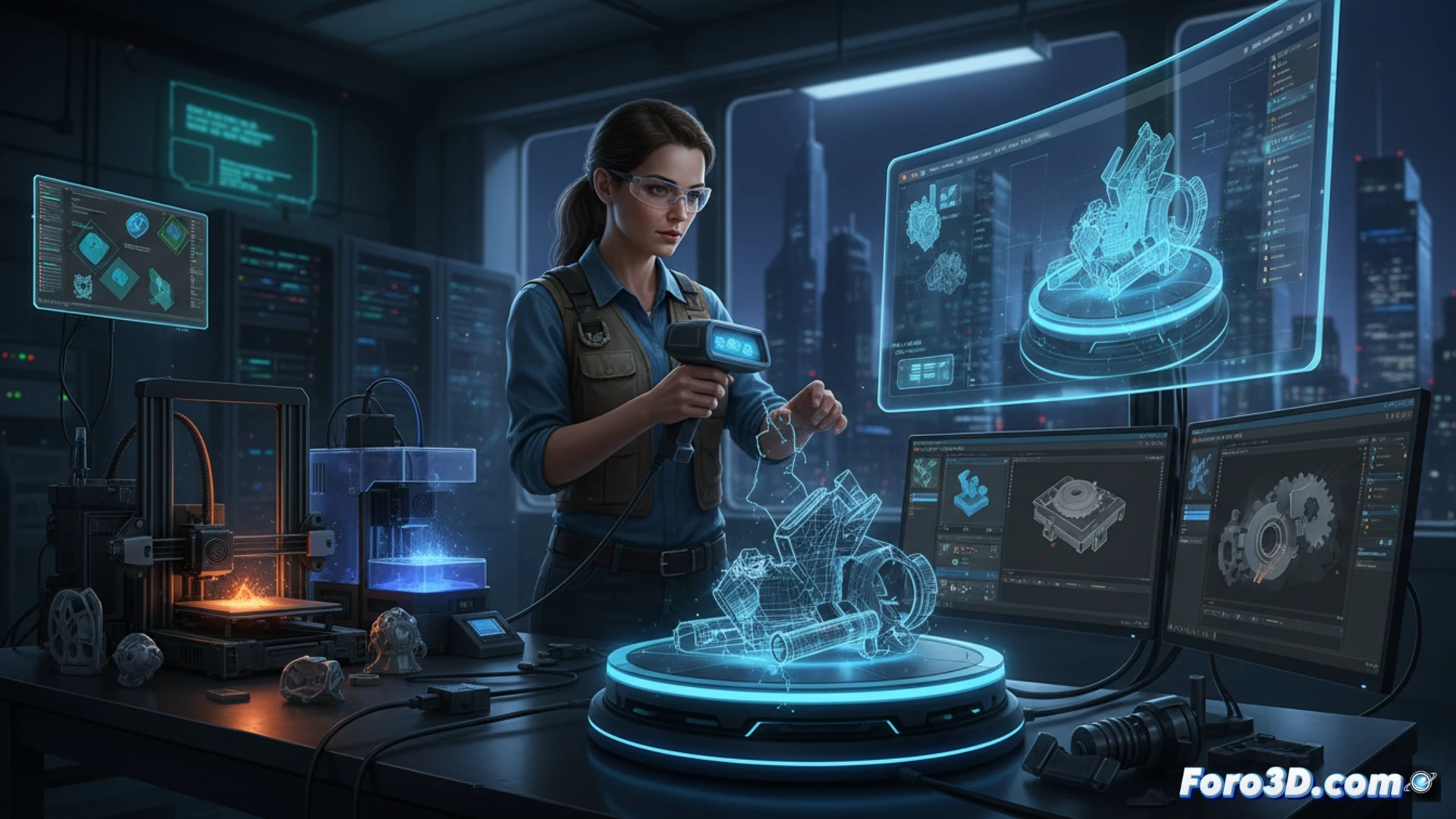
3D Scanning and Simulation: The Technician's Digital Eye 🔧
The modern workflow integrates scanners like the Einscan or applications like Kiri Engine to capture complex geometries. Then, with simulation software like Simplify3D or Cura, deformations from thermal contraction are predicted before printing. Adjusting cooling speed or infill density is no longer trial and error; it's direct calculation. This reduces diagnostic time and material waste in tests.
The Drama of the Unleveled Bed (and How AI Solves It) 🤖
We've all cursed that bed that seems level but decides to unlevel just when the boss is watching. Well, sensors like the BLTouch and artificial intelligence plugins in OctoPrint now correct the height live. The technician goes from being a frustrated tightrope walker to a supervisor who only intervenes when the printer decides to go on strike. Fewer Allen keys, more coffee.