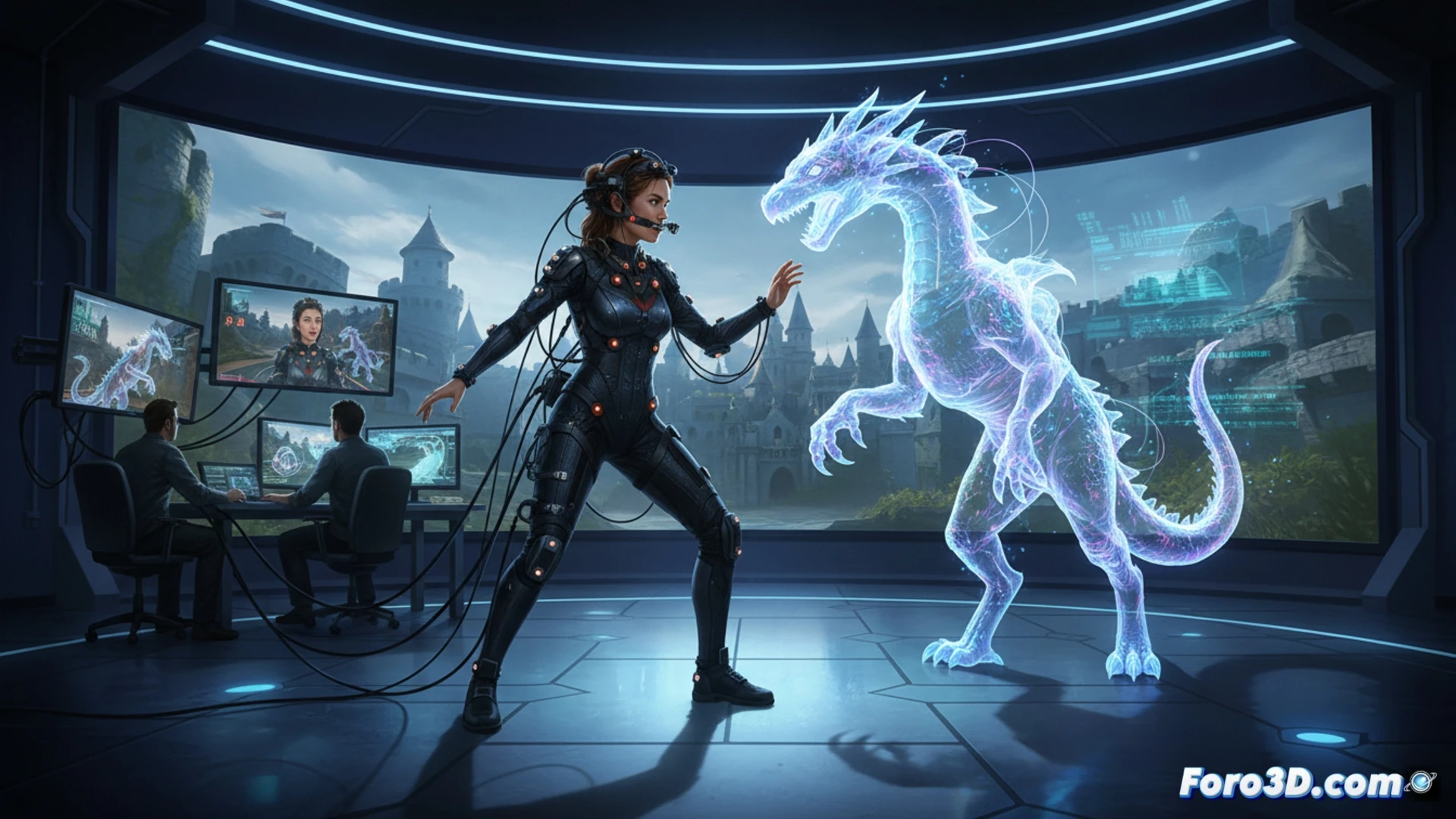
3D technology is transforming the craft of acting beyond the physical set. It allows rehearsing with virtual environments, interacting with digital characters, and correcting performances before filming. A clear example: an actress can record her facial and body performance with a motion capture suit, seeing in real time how it integrates with a computer-generated set. This saves time and production costs.
Key software for motion capture and previsualization 🎭
To work with this technology, an actress needs to master programs like Blender, free and powerful for animation and rigging. Autodesk Maya is the industry standard for modeling and motion capture. Unity or Unreal Engine allow real-time scene visualization. For facial tracking, programs like Faceware or the Apple ARKit plugin are useful. Knowing these softwares is not mandatory, but it facilitates communication with the technical team and allows the actress to understand the limits of the digital character she is portraying.
The day I wanted to cry and the computer said no 😅
Imagine having to pretend you're emotionally falling apart while wearing a helmet full of sensors and a lycra suit that makes you look like a space asparagus. The worst part is when the software freezes right at the climax of your best performance. You have to repeat the scene, but the technician asks you not to gesture so much because the markers move. So there you are, crying like a baby but with your head stiff as a robot. The drama is real, even if the set is fake.