A security incident in the TanStack supply chain has put the tech community on alert. The attack managed to compromise two employee devices at OpenAI, forcing the company to deploy urgent updates on macOS systems. This case exposes how malicious actors can infiltrate through third-party dependencies, without needing to directly attack the target company.
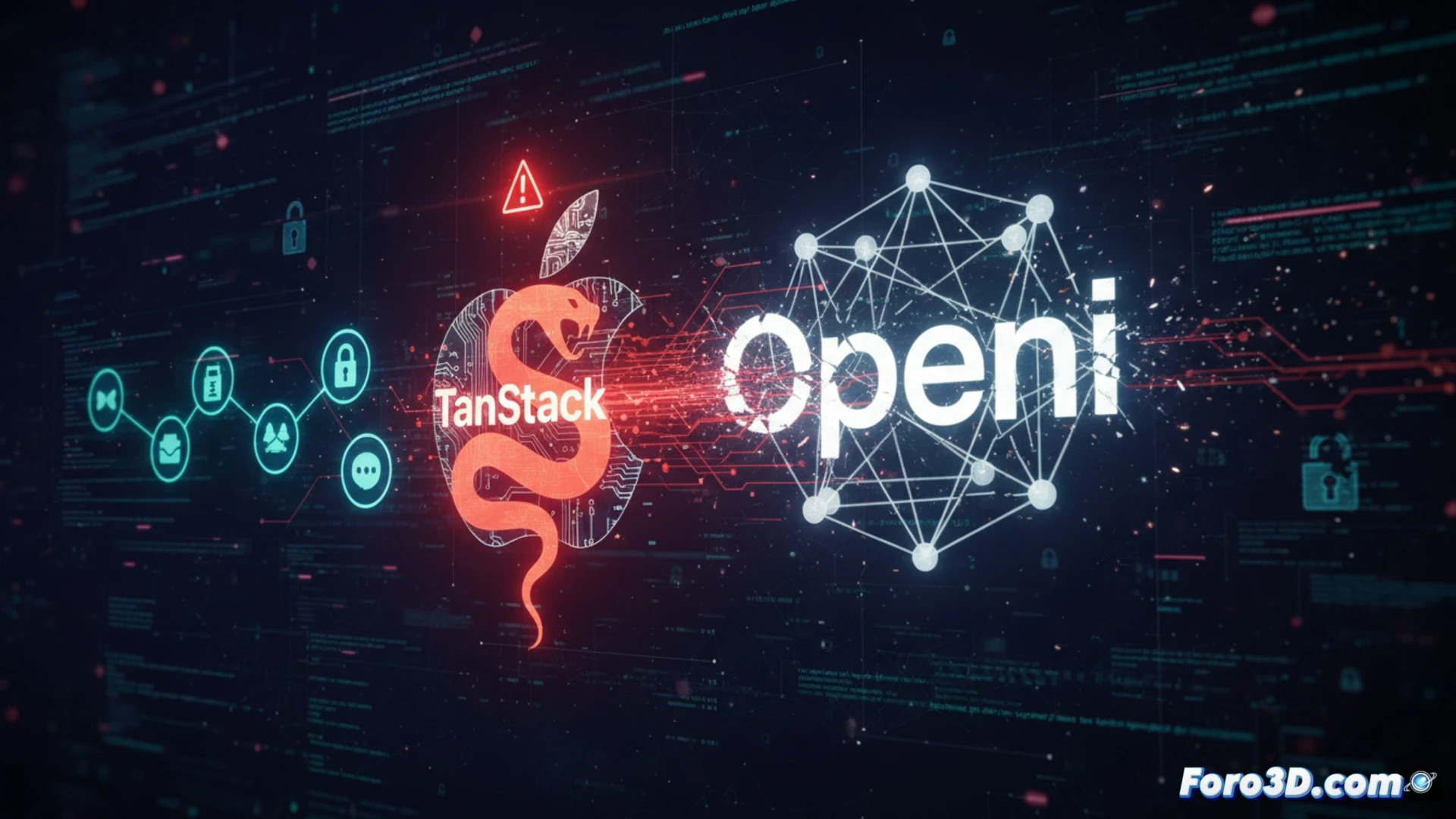
How a third-party dependency is exploited 🛡️
The software supply chain is a recurring attack vector. In this case, attackers injected malicious code into TanStack components, a popular library in the JavaScript ecosystem. When updating dependencies, OpenAI developers unknowingly downloaded the payload. Once inside, attackers accessed local data on two Macs. OpenAI responded by patching their systems and reviewing execution permissions on macOS, limiting unauthorized processes. The lesson is clear: auditing every dependency is not optional, it is mandatory.
The funny side of blindly updating everything 😅
If this incident teaches us anything, it's that blindly trusting npm install is like inviting a stranger to review your code. OpenAI had to put out fires on two Macs because someone, somewhere, decided that updating a library without reading the changelog was a good idea. Now, every time you see a package with 10 million weekly downloads, remember: it can also have 10 million ways to ruin your day.