The Supreme Court of the United States has blocked a judicial decision that prohibited mailing the abortion pill mifepristone. The ruling allows the medication to remain available via telemedicine while litigation continues in Louisiana against the FDA, pitting judges against scientific regulation on pharmacological safety.
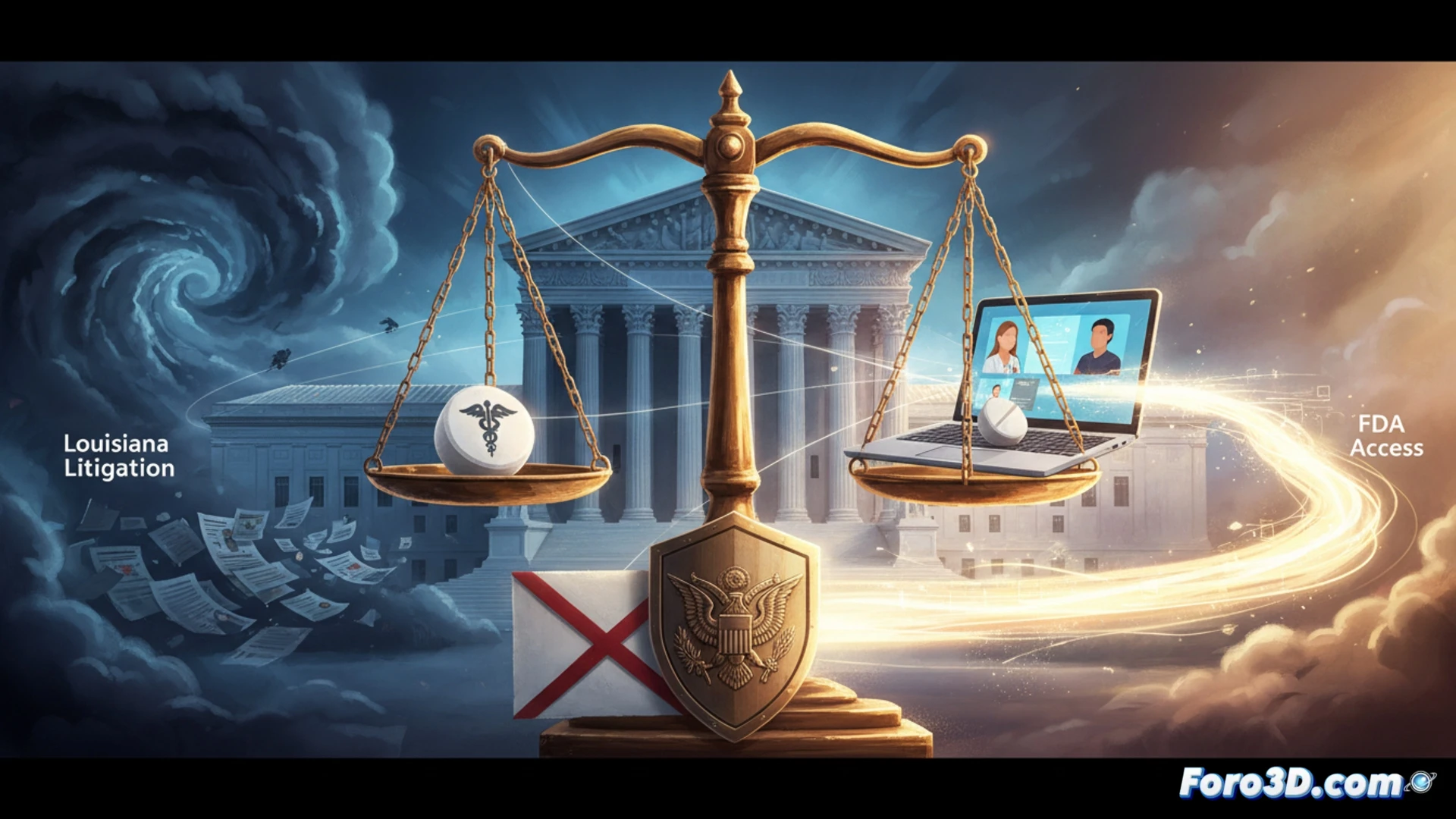
Telemedicine and regulation: the digital pulse against science ⚖️
The Supreme Court's decision protects a distribution model that combines virtual consultations with mail-order pharmacies. The case in Louisiana challenges the FDA's authority to approve drugs based on clinical studies. Telemedicine becomes a battlefield where scientific evidence clashes with judicial interpretations of risks and access, without judges having pharmacological training.
Judges prescribing: the new judicial trend in healthcare 💊
If courts continue like this, we'll soon be asking the judge for prescriptions instead of the doctor. The FDA studies pills for years, but a judge in Louisiana believes his hunch is worth more. Perhaps next, a magistrate will decide whether aspirin works better with or without water. Meanwhile, telemedicine keeps working, to the relief of patients and the despair of robe-wearers in white coats.