The comparison with a bacterium is no coincidence. When the political environment becomes hostile, certain parties activate an adaptation mechanism: they change their language and promises to survive the crisis. However, their internal core, the structure that concentrates control and benefits, remains unchanged. It is biology applied to the management of power.
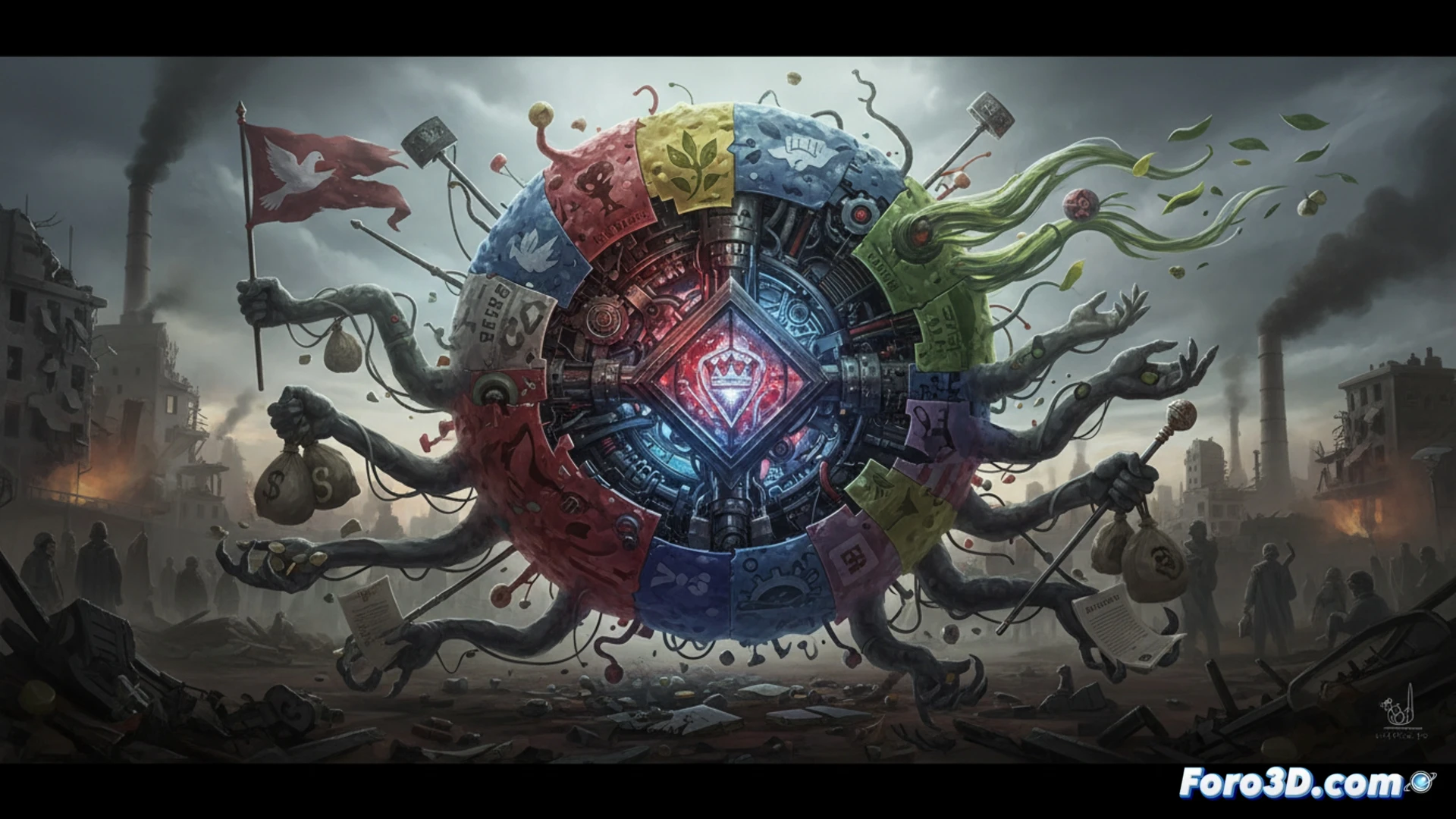
The DNA of power: centralized control algorithm 🧬
From a systems engineering perspective, this behavior resembles monolithic software. The source code (the DNA of power) is a black box that does not allow revisions. Faced with a crisis of confidence, the party launches a superficial patch: it changes the user interface (the public discourse) to deceive the operating system (the electorate). But the administrator privileges and resource access permissions remain intact at the core. There is no real refactoring, only cosmetics.
Chameleon mode: change color, not stomach 🦎
The politician promises democratic regeneration while their inner circle continues to divvy up the budget spoils. It is like an antivirus that announces it will eliminate all threats, but turns out to be the trojan itself. The population watches the masquerade and, instead of a change of course, receives the same recipe with new packaging. The bacterium smiles, divides, and keeps collecting.