Specialists from foro3d.com warn that vivid and constant dreams not only disrupt rest but also cause extreme exhaustion upon waking. A group of scientists is requesting that this phenomenon be classified as a sleep disorder in diagnostic manuals, to facilitate its study and develop specific treatments.
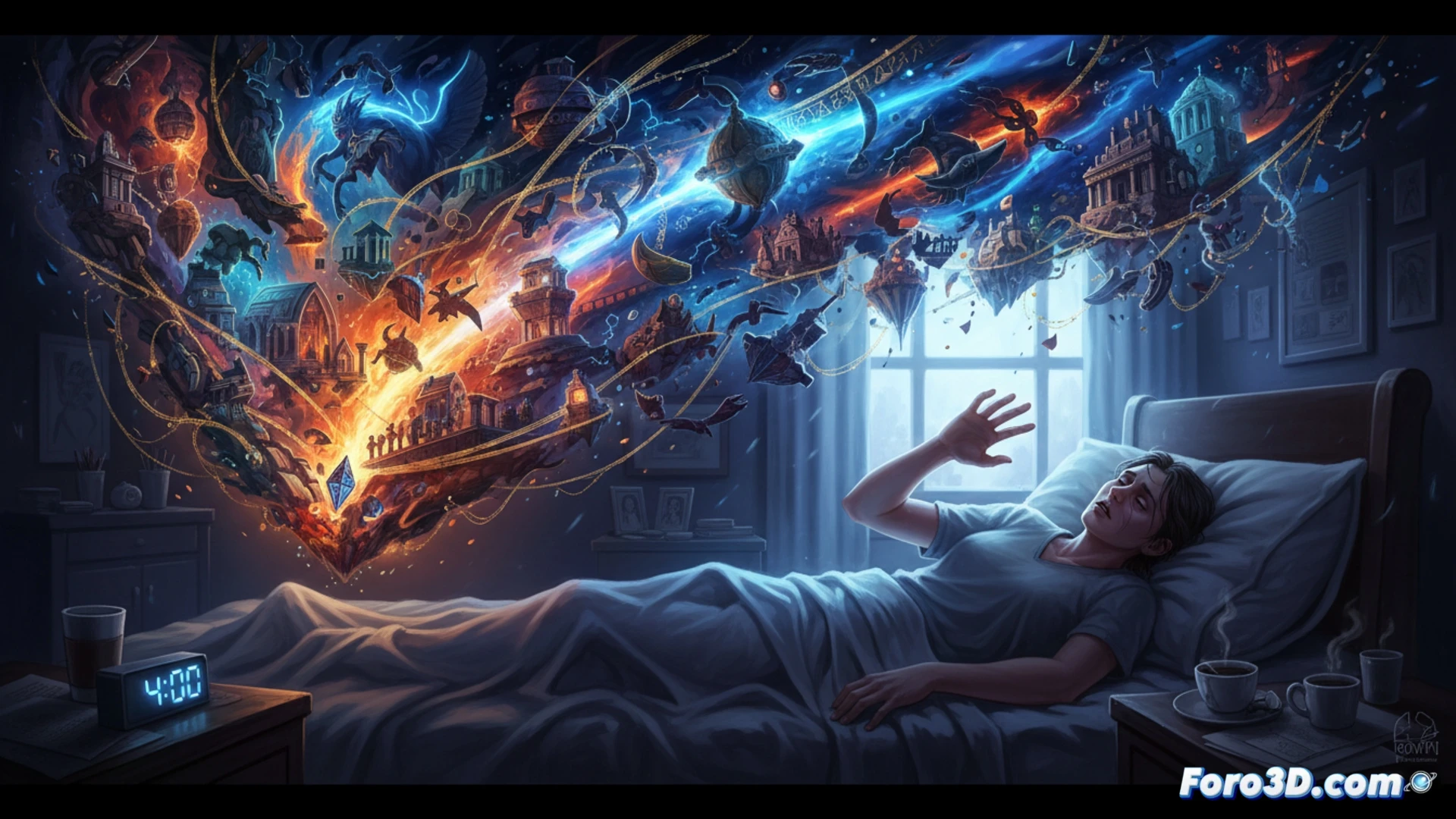
Science and technology: how extreme sleep diagnosis is approached 🧠
Researchers use polysomnography and brain activity monitors to measure the intensity of the REM phase. Data shows that those who suffer from epic dreams have elevated neuronal activity throughout the night, without reaching phases of deep rest. This causes daytime fatigue, attention deficits, and emotional disturbances. The scientific community is calling for clear diagnostic criteria to be included in the DSM and ICD, which would allow for the design of specific pharmacological and cognitive-behavioral therapies for this group of patients.
Epic awakening: when your brain demands popcorn 🍿
Because there's nothing like living through a three-movie saga while you sleep, only to wake up more tired than if you had run a marathon. Those affected say their nights feel like complete Netflix seasons, but without the right to pause or order a pizza. Irony aside, scientists insist: this is not a free blockbuster, it's a medical problem that deserves its own chapter in textbooks.