At foro3d.com we address a phenomenon that affects many: epic dreams. These nocturnal experiences are so vivid, detailed, and realistic that they prevent restful sleep. Those who suffer from them wake up exhausted, with the feeling of having lived another life while sleeping, carrying intense emotions such as fear or anxiety throughout the day.
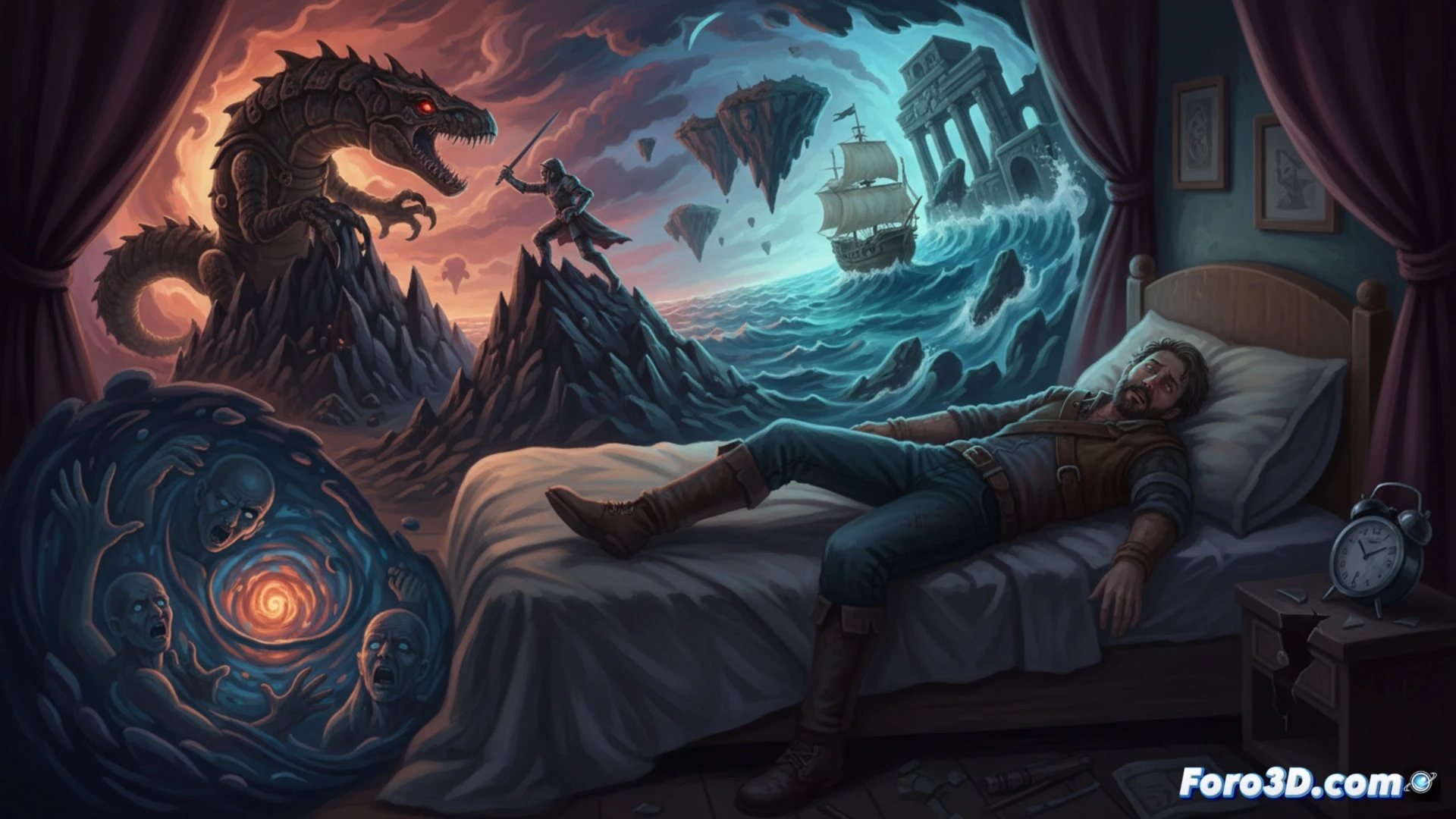
The science behind intense nocturnal plots 🌙
Researchers point out that these dreams are associated with hyperactivity in the amygdala and prefrontal cortex during the REM phase. The brain processes emotions without the usual filter, generating complex narratives. Factors such as chronic stress, certain medications, or prior sleep deprivation can intensify this cycle. There is no single treatment, but reducing daytime anxiety and maintaining regular schedules helps decrease their frequency.
Your brain, the film director who doesn't collect royalties 🎬
It turns out that while you just want to sleep like a log, your brain decides to put on a blockbuster with special effects, plot twists, and a soundtrack included. The bad news is there are no popcorn or reclining seats, just a sweaty bed and an alarm clock that goes off too soon. At least you could ask it to give you a leading role with a happy ending, not a victim in a horror movie.