The proposal to raise the cost of essential medicines to reduce public spending is a measure that directly hits chronic patients and low-income earners. Instead of easing the state's accounts, the bill is passed on to those who need healthcare the most. Logic points to negotiating with the industry, not to impoverish the citizen.
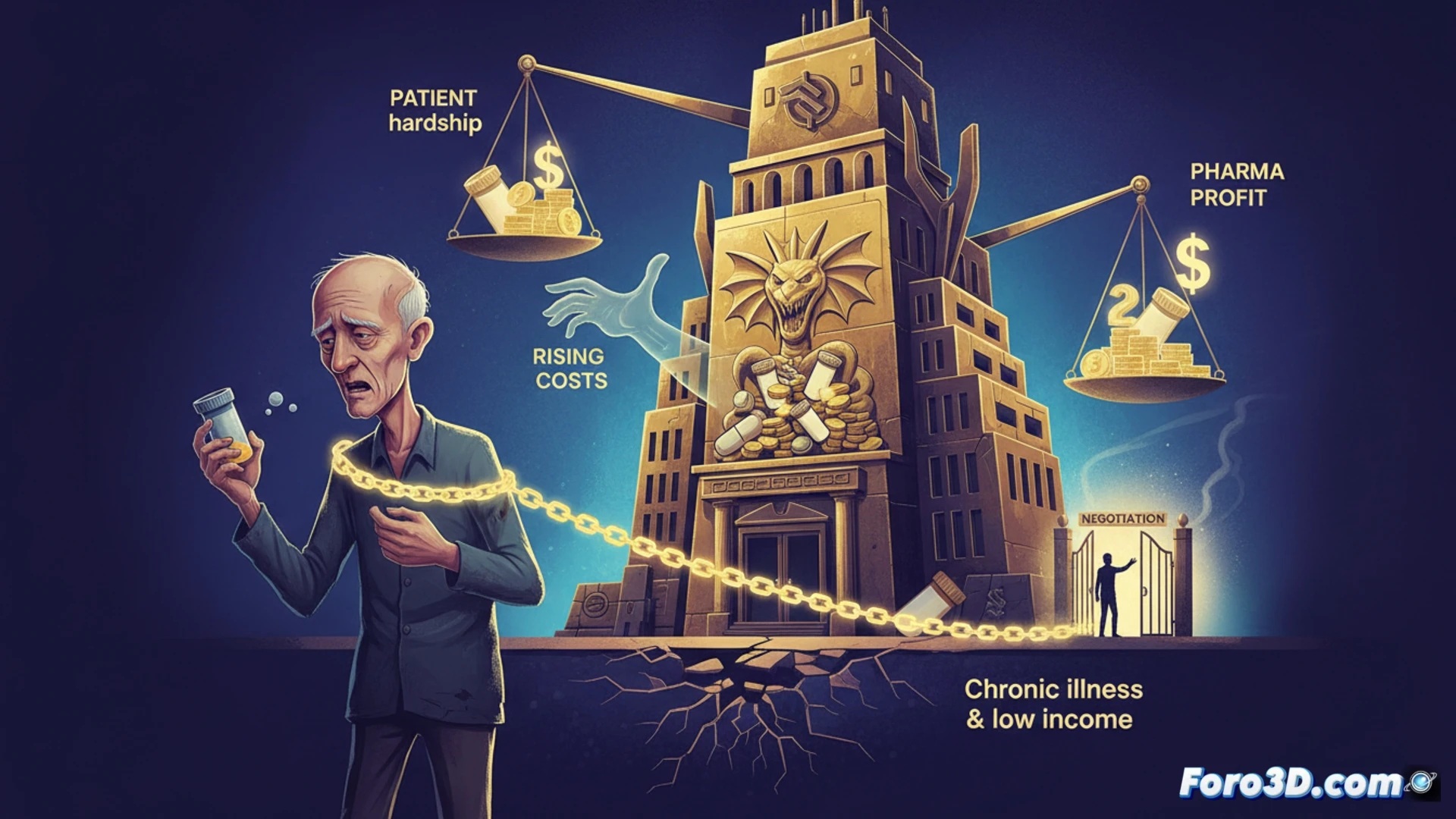
Algorithmic price negotiation to balance pharmaceutical spending 💊
There are software systems that allow cross-referencing prescription data, production costs, and profit margins in real time. With predictive analysis tools, administrations could simulate scenarios of centralized purchasing and fair price caps. This technology is already used in countries like Germany or Canada to prevent the patient from paying the surcharge of a market without real competition.
The big pill: raising prices to save money, like losing weight by eating more 🍩
If the goal is to save money, raising the cost of medicines is like trying to lose weight by adding cream to your coffee. The idea is so brilliant that it must have been designed in an office with a six-figure salary and private insurance. Meanwhile, the chronic patient will juggle to pay for their treatment while the pharmaceutical company laughs all the way to the bank.