Sony updates its personal cooling device with the Reon Pocket Pro Plus, promising a 20% increase in cooling capacity and an improved neck fit. For the 3D modeling professional who spends hours in front of a heat-generating PC, the idea of localized cooling sounds appealing. However, its price of 229 euros and the limitation of acting only on the back of the neck raise serious doubts about its real-world usefulness in an intensive work environment. 🧊
Specifications, sensors, and performance in 3D workflow 🔥
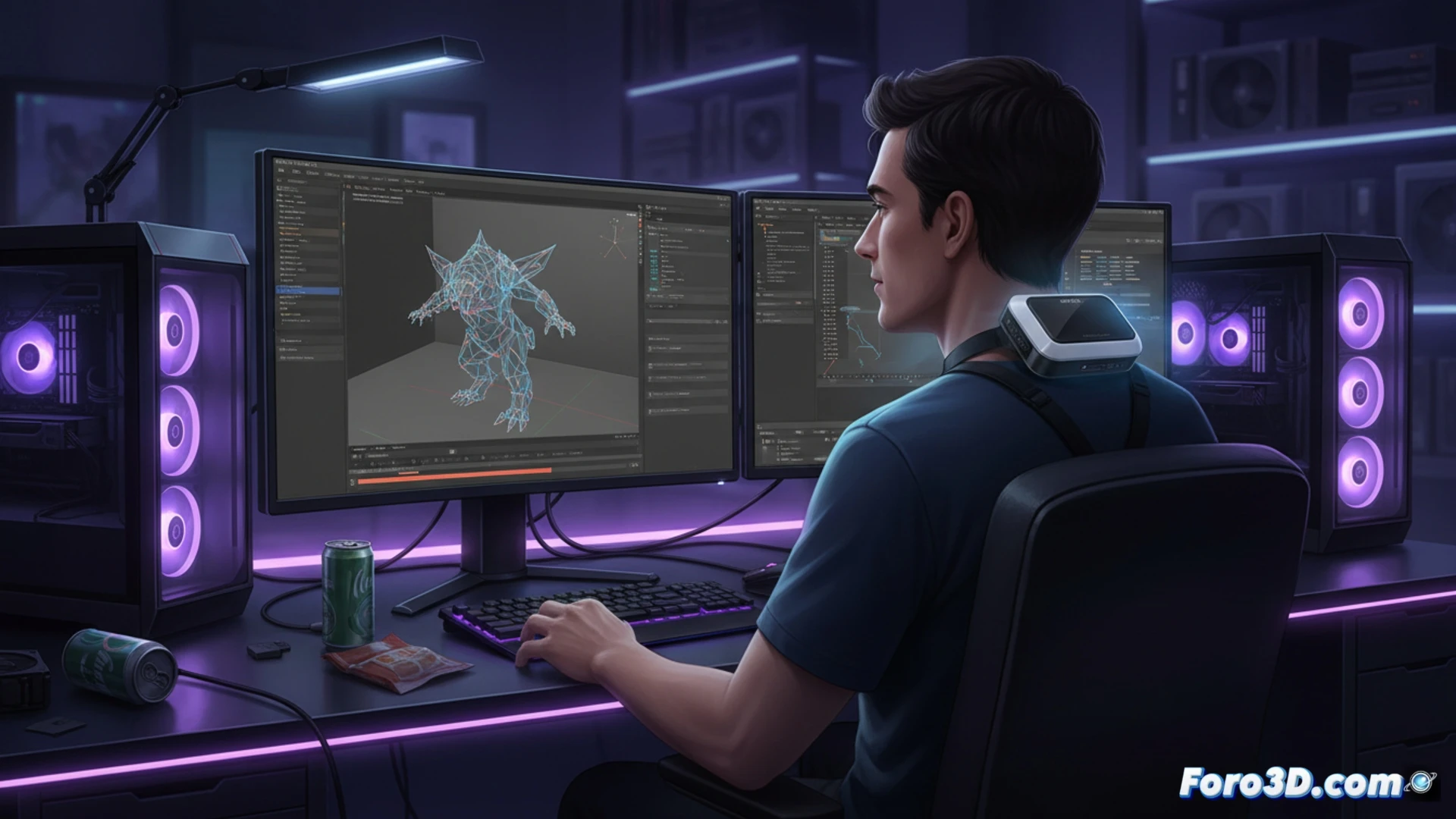
The device integrates more precise temperature and humidity sensors than its predecessor, allowing for a dynamic response to the user's microclimate. In theory, during a 20-minute render that raises the room's ambient temperature, the Reon Pocket Pro Plus would adjust its power to keep the cervical area cool. The 20% improvement in cooling capacity is a tangible advance, but the reality is that it does not dissipate the heat generated by a workstation GPU or CPU. Body heat is reduced, but the environment remains hot, limiting its effectiveness for work sessions exceeding two hours.
Portability vs. traditional climate control: a matter of cost 💸
At 229 euros, this accessory directly competes with tower fans or low-end portable air conditioning systems. While a traditional air conditioner cools the entire room, the Sony only acts on a focal point. For the 3D professional working in a shared studio or at home, investing in a complete climate control system offers a superior comfort return. The Reon Pocket Pro Plus is an interesting gadget for active breaks or to relieve occasional heat, but it is not a recommended substitute for maintaining productivity during long rendering processes.
Considering that the Reon Pocket Pro Plus is placed on the back of the neck, and the neck is a key area for thermoregulation, could this device reduce thermal throttling or maintain stable frequencies in high-performance laptop CPUs during rendering sessions in non-air-conditioned environments?
(PS: Your CPU heats up more than the debate between Blender and Maya)