The jazz world bids farewell to Sonny Rollins, who passed away at the age of 95. Considered the last survivor of the golden age, he redefined the saxophone with an improvisational style that influenced generations. His legacy alongside Miles Davis and Thelonious Monk is indelible, leaving a void in the music scene.
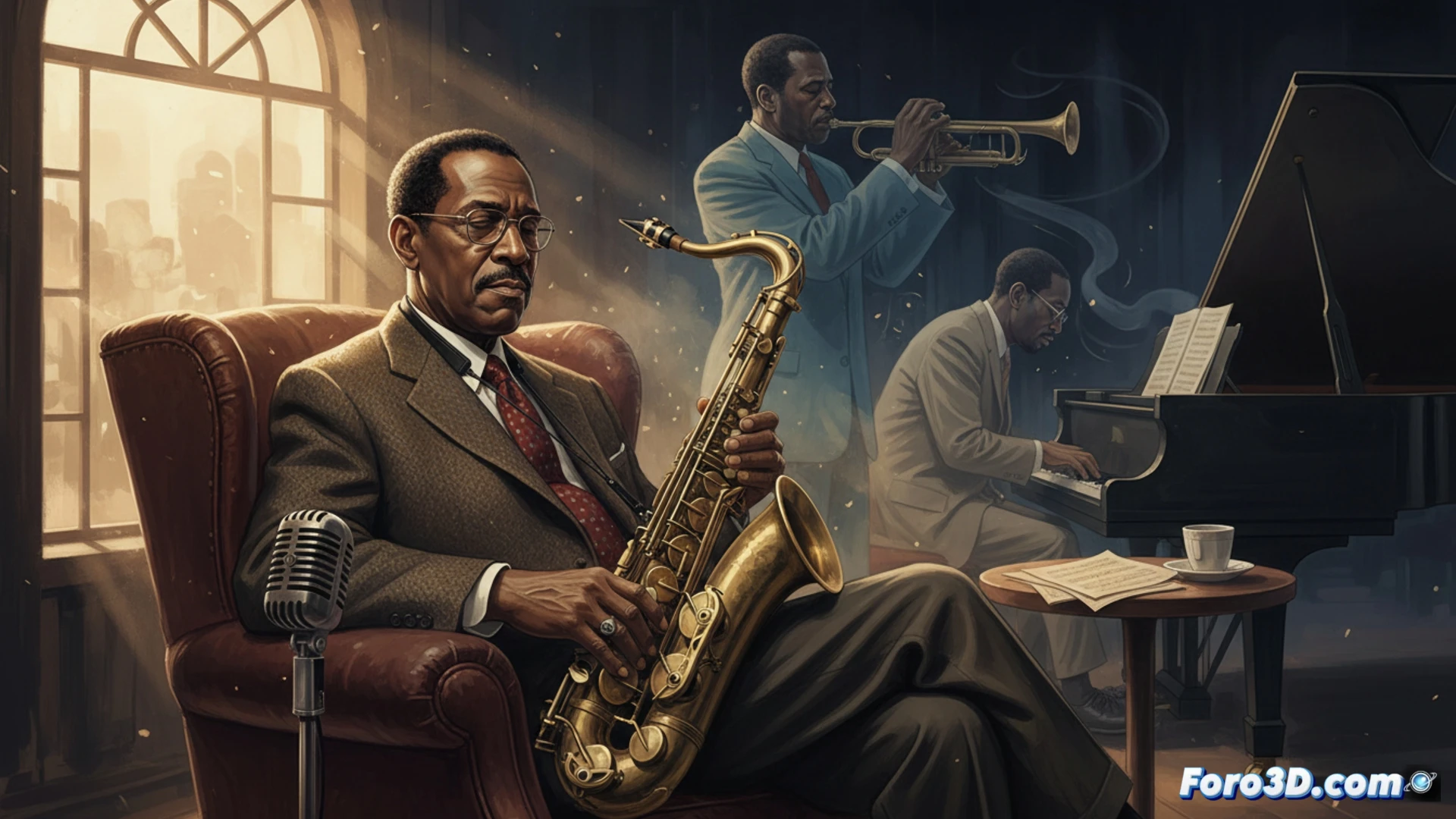
The architecture of sound: how Rollins programmed controlled chaos 🎷
Rollins handled the saxophone like a developer handles a compiler: each note was a precise instruction that generated unpredictable results. His improvisation technique, based on complex rhythmic and harmonic patterns, anticipated algorithmic structures. He didn't use fixed scores, but rather executed in real time, like a debugger of emotions. His approach to the solo was an infinite loop of logic and spontaneity.
Sorry, ChatGPT, but Rollins improvised better than you 🎶
While today's musicians rely on plugins and samples to sound authentic, Rollins would show up with a sax and a pair of lungs. He didn't need a DAW to create layers of sound; his secret was blowing hard and thinking fast. If generative AI tried to imitate his style, it would probably crash by the third bar. He had no backup or undo, only flow.