Ehlers-Danlos syndrome is a rare and chronic genetic disease that can be fatal without early diagnosis. On the occasion of its world day, the association in Aragon warns that there are 13 different types, depending on the altered gene, which affect collagen synthesis. This causes joint hypermobility, hyperextensible skin, and fragility in blood vessels and organs.
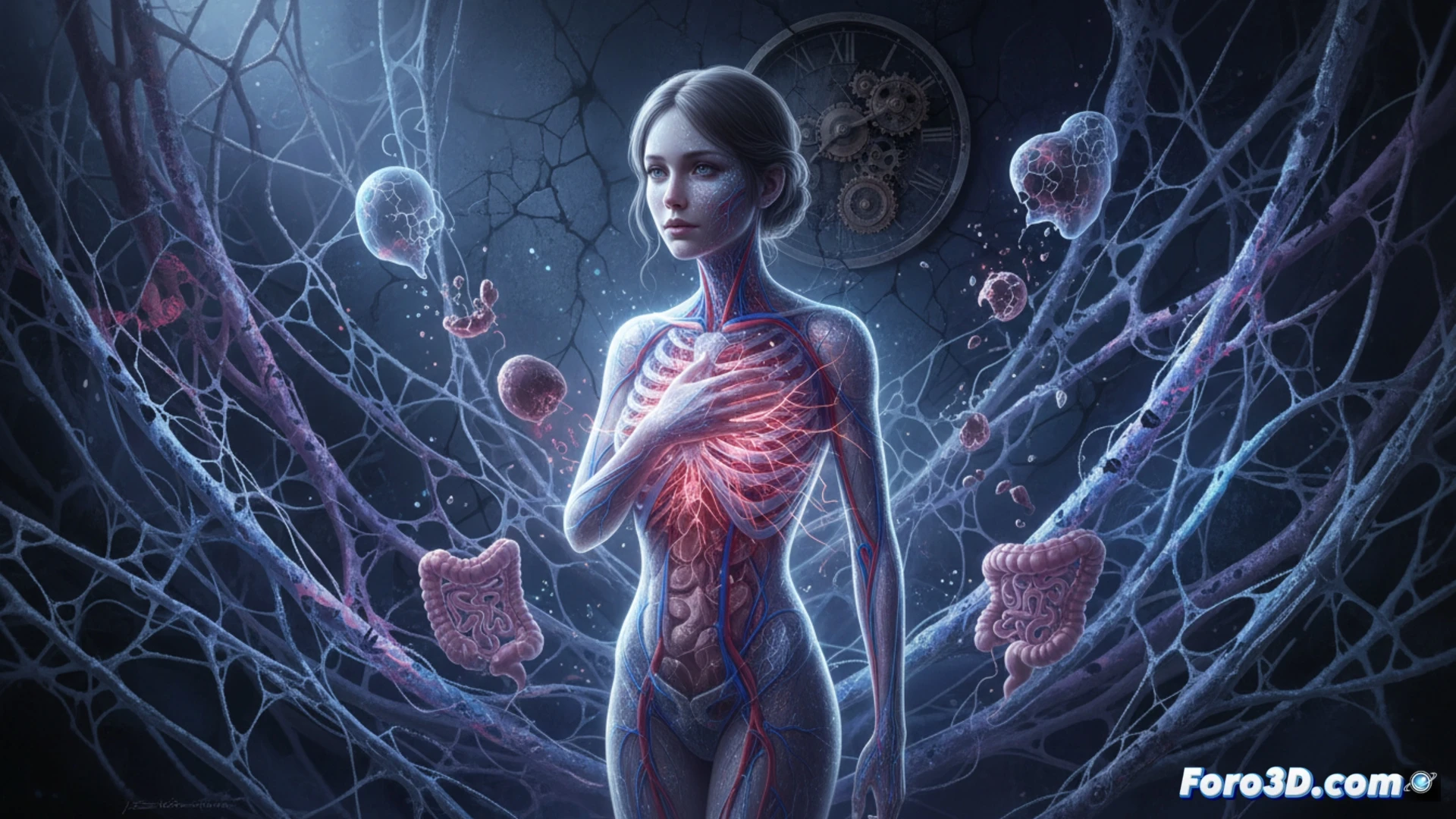
Genetic diagnosis: technology as a key tool. 🧬
Advances in DNA sequencing allow the identification of the 13 types of the disorder through specific genetic panels. This technology analyzes the genes responsible for collagen synthesis, such as COL5A1 or COL3A1. A precise molecular diagnosis avoids incorrect treatments and prevents serious complications, such as arterial ruptures or intestinal perforations. Early detection changes the patient's prognosis.
Being flexible is cool, until you dislocate a shoulder while yawning. 😅
Having hypermobility sounds great at a birthday party, until you discover that your skin stretches like gum and your joints dislocate when you scratch your ear. The affected patients' association sums it up clearly: it's not a superpower, it's a constant reminder that collagen is not a luxury, but a necessity. And without a cure, you just have to live with it.