Police work involves constant exposure to physical assaults, bladed weapons, crossfire, and high-risk pursuits. Added to this are psychosocial factors such as post-traumatic stress and burnout from night shifts. We analyze how 3D technology and digital twins can transform the prevention of these dangers, offering immersive training without exposing officers to real-life violent situations.
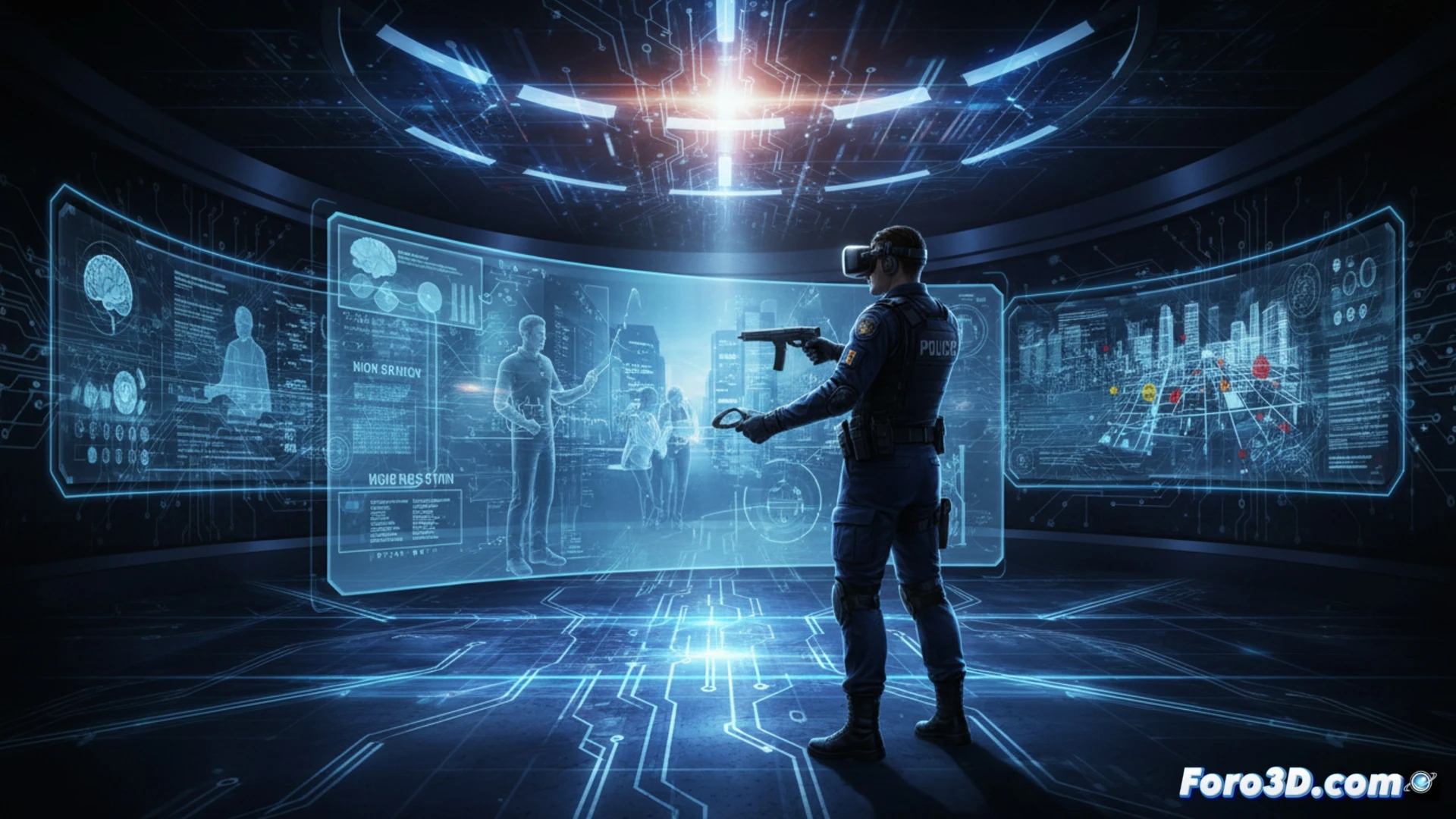
Digital twins and simulation of critical scenarios 🛡️
The virtual recreation of vehicle pursuits, altercations with biological fluids, or armed confrontations allows officers to practice tactical responses in a controlled environment. Using biometric sensors integrated into helmets or vests, the system detects stress and fatigue spikes during the simulation, activating early warnings. This methodology not only reduces the risk of physical injuries and falls but also trains emotional management in the face of traumatic incidents, minimizing the development of sleep disorders and burnout.
Towards comprehensive protection for the vulnerable officer 🧠
The application of these 3D tools not only protects the officer's physical integrity but also safeguards their mental health by enabling controlled desensitization to violent stimuli. By visualizing safety protocols in real-time and analyzing post-simulation biometric data, alert systems are designed to prevent traffic accidents and assaults. This approach redefines the protection of a vulnerable group, where technology becomes the invisible shield against the invisible risks of the profession.
How would you model the impact of a protection failure on 28 military personnel?