Risk analysis of occupational hazards in physiotherapy reveals a paradox: those who heal others' bodies damage their own. Forced postures, overexertion when mobilizing patients, and exposure to physical agents such as ultrasound generate a high rate of musculoskeletal injuries. In response, 3D technologies offer a preventive solution through biomechanical simulation of the real clinical environment.
Digital twins and preventive ergonomic analysis 🛡️
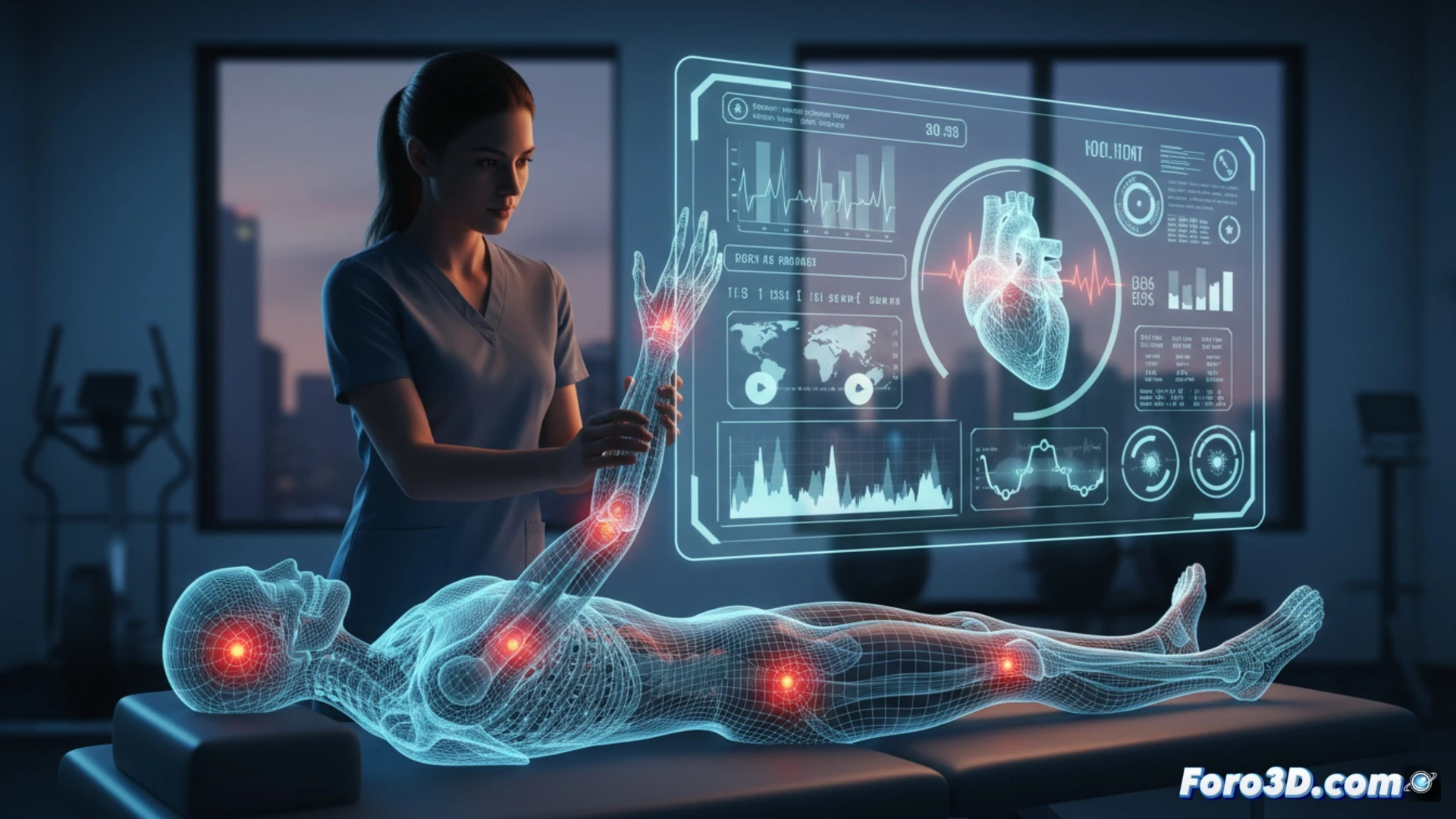
Creating digital twins of the workspace allows precise modeling of the forces acting on the therapist's lumbar spine and shoulders during a patient transfer maneuver. Using kinematic simulation software, variables such as bed height, patient weight, and trunk tilt angle can be adjusted. The result is a joint stress map that identifies critical risk points before fatigue or injury occurs. This methodology enables the redesign of mobilization protocols, optimizing the professional's posture and reducing the incidence of chronic low back pain.
Towards a culture of digital occupational health 💻
Adopting 3D simulation not only prevents physical harm but also transforms the perception of risk. By visualizing on a screen the compression of an intervertebral disc during a forced stretch, the professional internalizes the need for self-care. Technology thus becomes a training tool that complements clinical intuition with objective data, fostering an environment where the physiotherapist's health is as much a priority as the patient's.
As a physiotherapist, if you could see the wear and tear on your own joints and muscles in real time during a session, what change would you make first in your technique to avoid injury?
(PS: If you 3D print a heart, make sure it beats... or at least doesn't cause copyright issues.)