The orchestra conductor faces specific occupational risks that go beyond artistic stress. Forced postures, repetitive baton gestures, and constant exposure to orchestral noise generate musculoskeletal disorders and auditory fatigue. We analyze how 3D scenario simulation can become a key preventive tool for this profession, modeling podium ergonomics and the acoustics of the environment.
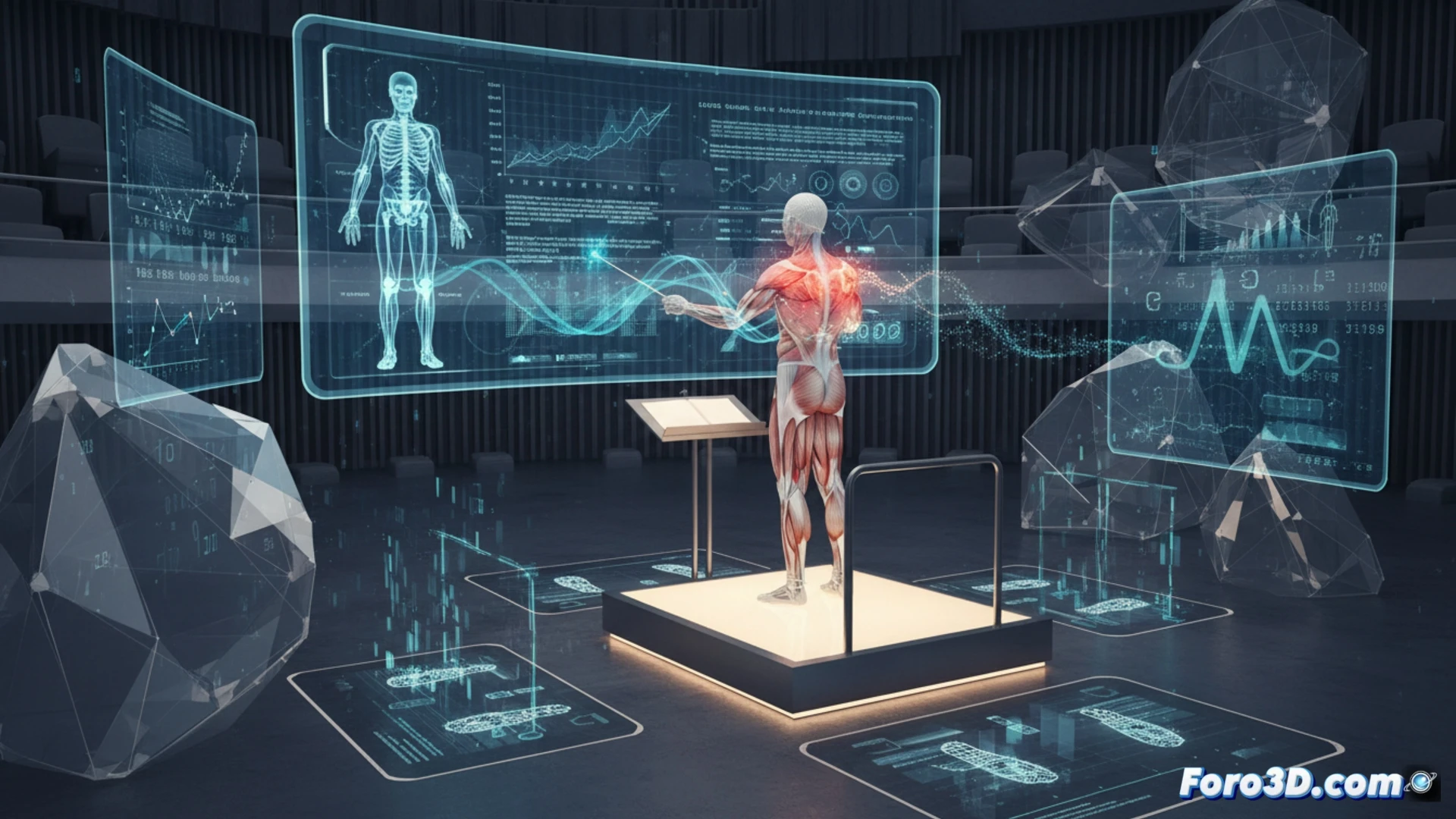
Ergonomic modeling and acoustic simulation 🎻
Using 3D stage design software, it is possible to recreate the conductor's space and analyze the biomechanics of their movements. Podiums can be designed with optimal height and angle to reduce tension in the shoulders and lower back. Additionally, acoustic simulation allows mapping the sound pressure levels received by the conductor from each orchestral section. With this data, the placement of acoustic screens is planned, or the type of necessary hearing protection is determined without isolating the conductor from the orchestra's sound.
Towards a safer virtual rehearsal 🎧
The implementation of virtual rehearsals in 3D environments allows the conductor to practice gestures and transitions without the physical fatigue of a complete real session. This reduces the repetitive load on the arms and spine. By integrating these models into show planning, not only is the conductor's health protected, but the staging is also optimized, demonstrating that 3D technology is an indispensable ally in the prevention of occupational hazards in the performing arts.
Can 3D biomechanical simulation predict and correct the gestural patterns of an orchestra conductor to reduce the risk of musculoskeletal injuries without compromising their artistic expressiveness?
(PS: modeling an audience in 3D is easier than the real one: they don't complain, they don't record with their phones, and they always applaud)