The postman is a professional in constant motion who faces a lethal combination of factors: heavy traffic, poor sidewalks, and the pressure to meet deadlines. From the perspective of 3D simulation, we can break down their workday into measurable variables to anticipate accidents. Environmental modeling allows us to identify blind spots at intersections, calculate the impact of postal load on balance, and predict muscle fatigue from forced postures when handling the handlebars or delivery bag.
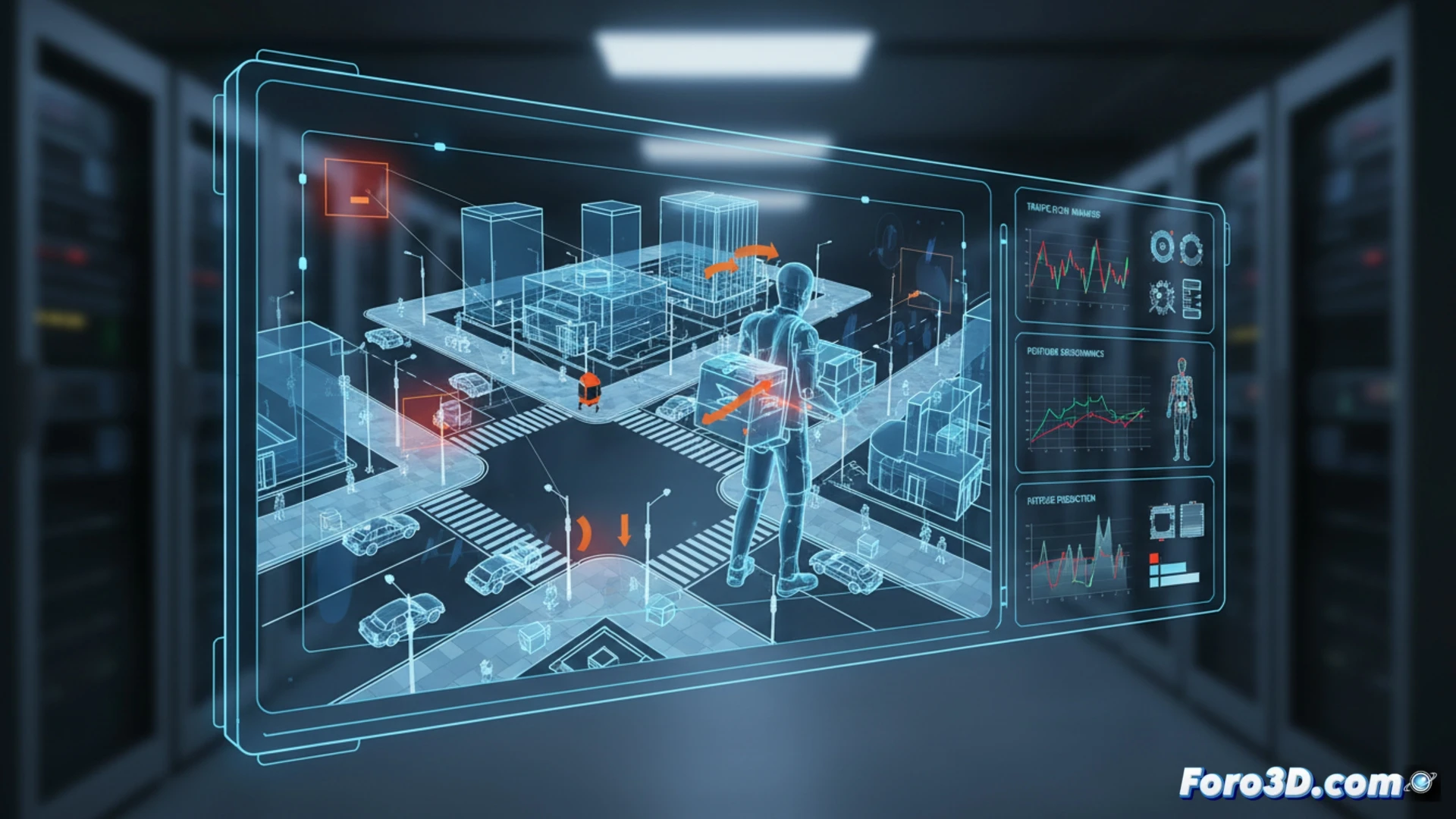
Environmental modeling and predictive biomechanics 🚴
3D technology allows us to recreate digital twins of delivery routes. By inputting real traffic data and sidewalk slopes, we can simulate the exact moment a postman on a bicycle loses control while dodging a pedestrian. Furthermore, ergonomic analysis using virtual musculoskeletal models reveals critical angles of the lumbar spine during package loading. These simulations, validated with motion sensors, enable the design of haptic alert systems in the uniform that vibrate in the face of an imminent risky posture or a sudden weather change.
Towards predictive worker protection 🛡️
The true innovation lies not just in visualizing risk, but in integrating 3D simulation with real-time weather data. Imagine a system that, upon detecting a storm on the postman's route, activates a safety protocol in their smart backpack, reducing the load and suggesting a nearby shelter. Protecting this vulnerable group requires moving from reacting to accidents to active prevention, where the neighborhood's digital twin becomes their best shield against stress and physical danger.
How can 3D simulation anticipate blind spots of vulnerability in urban postman routes that traditional 2D planning fails to detect?
(PS: the 28 affected soldiers are like 28 polygons with inverted normals: they shouldn't be like that)