The customs agent is a critical link in the global supply chain, but their position accumulates occupational risks that are often underestimated. From chronic stress due to tight deadlines and document management to physical hazards on docks and at airports, this profile faces a unique combination of threats. A technical analysis reveals that 70% of sick leave in this sector is related to musculoskeletal disorders from sedentary work and anxiety from paperwork overload, while on-site incidents (falls, being struck by vehicles) account for 25% of serious accidents.
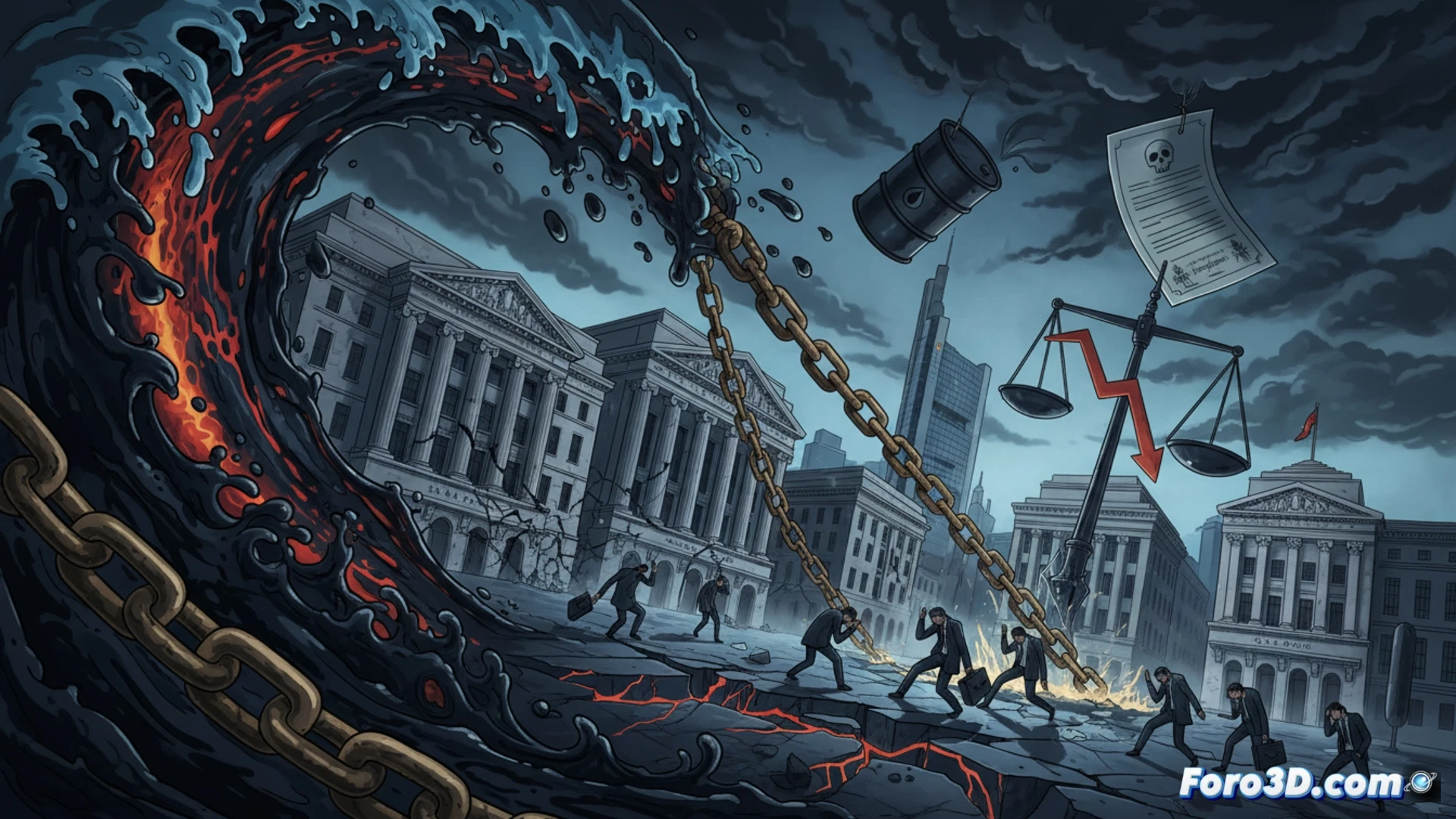
Hazard mapping through simulation of customs environments 🚧
The 3D representation of the position allows for visualizing three critical risk zones. First, the office: the agent spends 8 hours in front of dual screens in standard chairs, with a 60% incidence of eye strain and lower back pain. Second, the route to the port or airport: wet stairs, elevated platforms, and moving vehicles generate 40% of fall incidents. Third, cargo inspection: contact with stressed carriers or importers leads to 15% of verbal or physical assaults. The simulation models these scenarios with real accident data, integrating variables such as poor lighting and ambient noise.
Visual prevention: from the desk to the dock in 3D 🛡️
An interactive infographic based on digital twins can reduce accident rates by 30% by training the agent in realistic conditions. It is recommended to implement active breaks every 90 minutes to mitigate sedentary behavior, smart signage in unloading areas to prevent being struck by vehicles, and simulated de-escalation protocols to manage aggression. The next step is to integrate IoT sensors on the docks to alert about weather or traffic risks, connecting the 3D simulation with live port data.
Since 3D simulation allows predicting and mitigating the specific ergonomic and psychosocial risks of the customs agent in the port environment, where time pressure and document handling coexist with physical hazards on the dock, what key parameters should a digital model include to validate real improvements in their occupational safety?
(PS: at Foro3D we optimize routes like we optimize polygons: until the computer says stop)