Silvia Park, author of Luminous (May reading for the New Scientist Book Club), explains how her work evolved from a childhood project into a darker story after a family loss. The novel explores the human relationship with robots and our inevitable love for them, a theme the author deepened by reflecting on grief, emotional connection, and technological dependence.
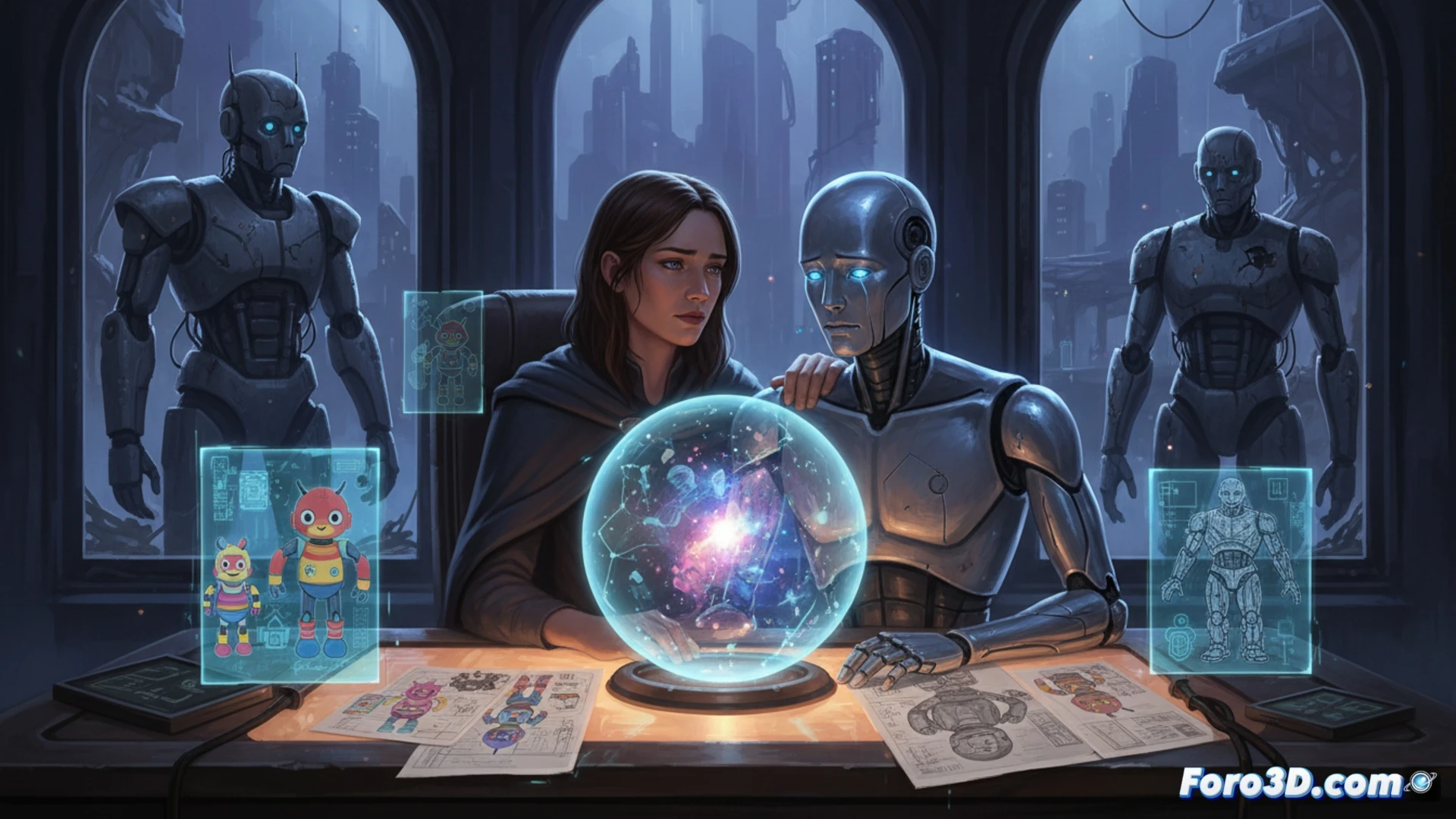
From childhood project to a story about emotional dependence 🤖
Park developed Luminous starting from a light premise, but the death of a loved one redirected the plot toward grief and the need to cling to something. In the novel, robots are not mere machines: they act as mirrors of our fragility. The author researched social robotics and attachment algorithms to build characters that, without being human, awaken real affections. The result is a text that questions whether loving a robot is an act of faith or desperation.
Robots: the new excuse not to call your mother 📞
Because, let's be honest, if robots already cook for us, clean our house, and remind us of appointments, what's left? Exactly: guilt. Park suggests that our love for automatons stems from the comfort of not having to deal with human dramas. In the end, we prefer an android to say I love you without asking us to take out the trash. Thus, Luminous not only talks about grief, but about our emotional laziness.