Joel Meadows launched a Kickstarter campaign for a Sherlock Holmes book, but his recent track record raises doubts. He previously canceled a George Pratt art project that raised £41,000, of which only £20,000 remained after his own salary. Backers received partial refunds, and some were blocked for complaining. This sows distrust in crowdfunding.
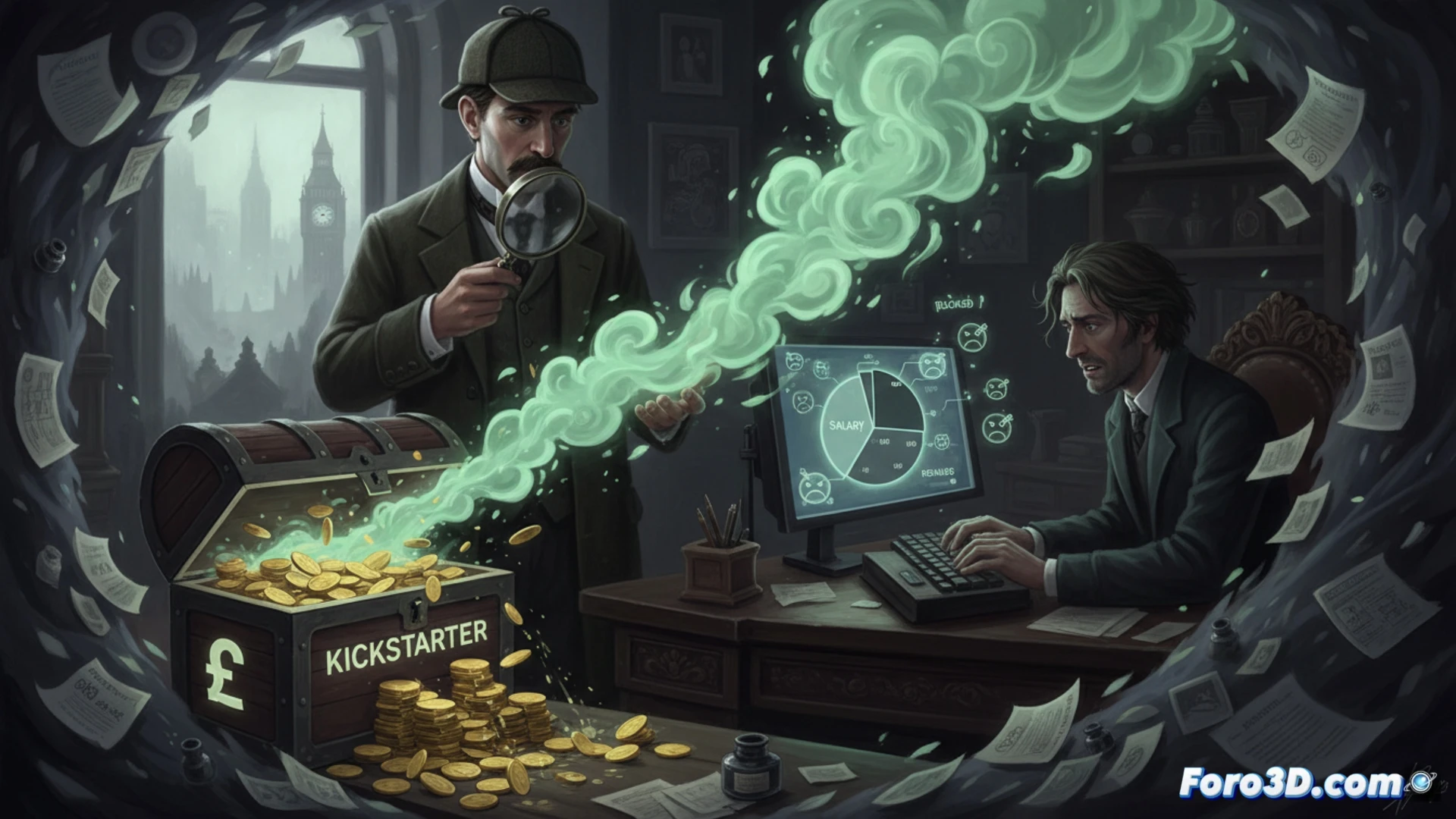
Crowdfunding: the technology that promises transparency but doesn't demand it 🕵️
Platforms like Kickstarter operate under a model of trust, not guarantees. Money is transferred directly to the creator, who decides how to spend it. In this case, Meadows used funds for his salary before delivering the product. There are no technical mechanisms to enforce real-time accountability. Blockchain could offer traceability, but today the system relies on good faith. The lesson: check the creator's track record before backing.
Holmes would solve the case, but you don't have Watson on your side 🔍
If Sherlock Holmes investigated Meadows, he would deduce that the money disappeared into personal expenses. But backers have no magnifying glass or assistant; only a partial refund receipt. The most curious thing is that some were blocked for asking for explanations, as if they were criminals. Perhaps the real mystery is why we keep trusting projects without checking the clues. At least, Holmes never asked for £41,000 for a book.