In 2014, Middle-earth: Shadow of Mordor went largely unnoticed by many, but a second chance reveals its true magic. Its proposal of vengeance against the Uruks, led by Talion and the wraith Celebrimbor, hides a game engine that, twelve years later, no other action title has managed to replicate. We are talking about the Nemesis System, a mechanism that transforms each playthrough into a personal and reactive experience.
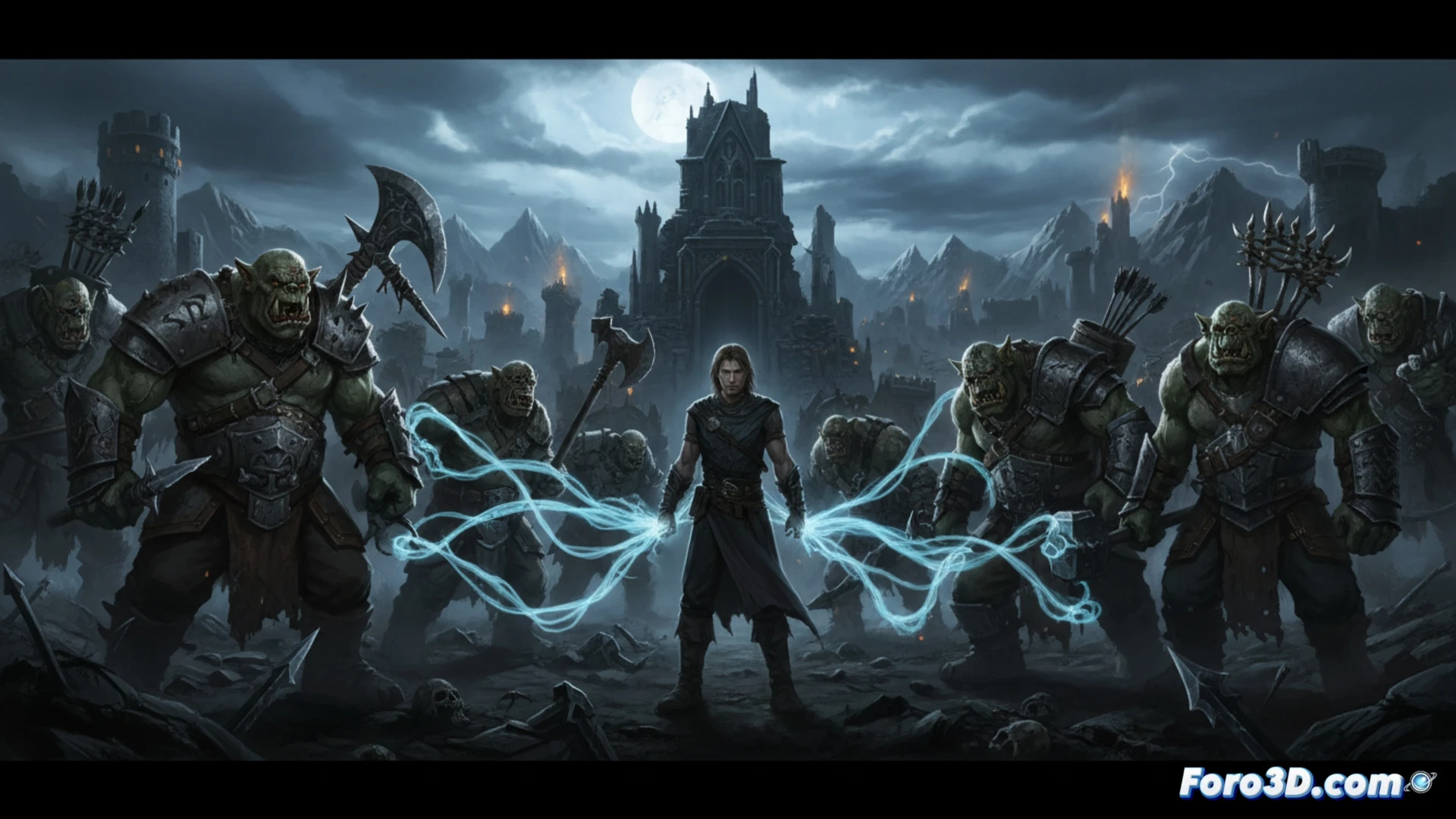
How the Nemesis System Shapes Your Own Technical Narrative 🎭
The Nemesis System works like a procedural game director that remembers every encounter. Each defeated, humiliated, or escaped Uruk generates a unique story: a captain survives a stab and returns with a scar and a grudge; another rises in rank by killing you. This network of dynamic relationships is supported by a hierarchical tree of orcs that reacts in real-time to your actions, creating personalized rivalries. It is not a simple artificial intelligence, but a living ecosystem that ensures no two playthroughs are ever the same, something that neither sequels nor imitators have managed to perfect.
Meanwhile, Other Games Still Have Cardboard Cutout Enemies 🤖
It is curious that in 2024 we see releases with photorealistic graphics and massive open worlds, yet their enemies are as predictable as those from an 80s space shooter. In Shadow of Mordor, a simple Uruk reminds you of your last defeat and calls you a coward; in other titles, the final boss doesn't even know you exist until you shoot them. Twelve years later, the Nemesis System remains that friend who always beats you at FIFA and then laughs at you. Talion's revenge is sweet; the developers' revenge is non-existent.