Understanding human beings from the social sciences is a complex task. Anthropology, psychology, sociology, economics, and demography intersect to explain our decisions. With the new column Being Human, we address controversial topics. We start with pronatalist movements, which seek to increase birth rates. Evidence shows that government incentives rarely work, especially when young people deal with precarious jobs, unaffordable housing, and an uncertain future.
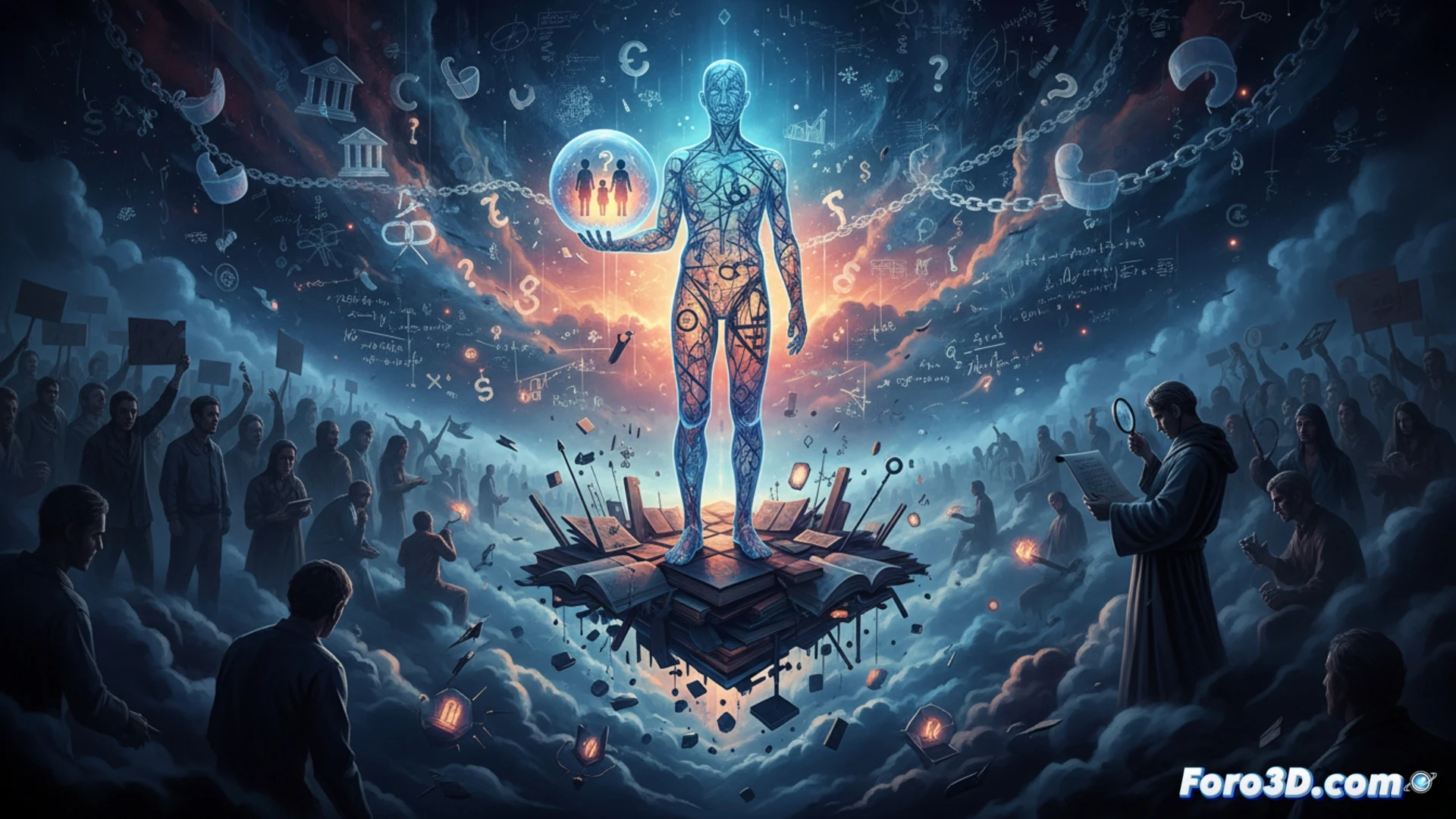
Data and algorithms: technology facing the decision to procreate 🤖
Governments have tried to reverse low birth rates with bonuses, subsidies, and tax deductions. However, data from countries like Japan or South Korea show that these measures do not alter the trend. Modern demography analyzes variables such as job insecurity, housing costs, and the impact of social media on the perception of the future. Algorithms predict behaviors, but they cannot manufacture the desire to have children when material conditions are unfavorable. The economic and social factor weighs more than any public policy.
Pronatalism: when the state asks you for a child and you ask for an apartment 🏠
Governments launch campaigns with posters of smiling babies and promises of aid. But the average citizen does the math: a child costs more than a high-end car and almost as much as a down payment on an apartment. The irony is that while some politicians ask for more babies, others cut funding for healthcare or education. In the end, pronatalism resembles a job offer where you pay to work. The human being is complex, but their wallet is very simple.