The claim that an airplane represents absolute statistical safety is based on the accumulation of data demonstrating that risk does not vary with exposure. In deepfake auditing, we face a similar challenge: we must ensure that prolonged exposure to AI-generated content does not normalize disinformation. 3D technology and computer vision are our tools to maintain that barrier of trust, analyzing each frame as if it were a statistical flight.
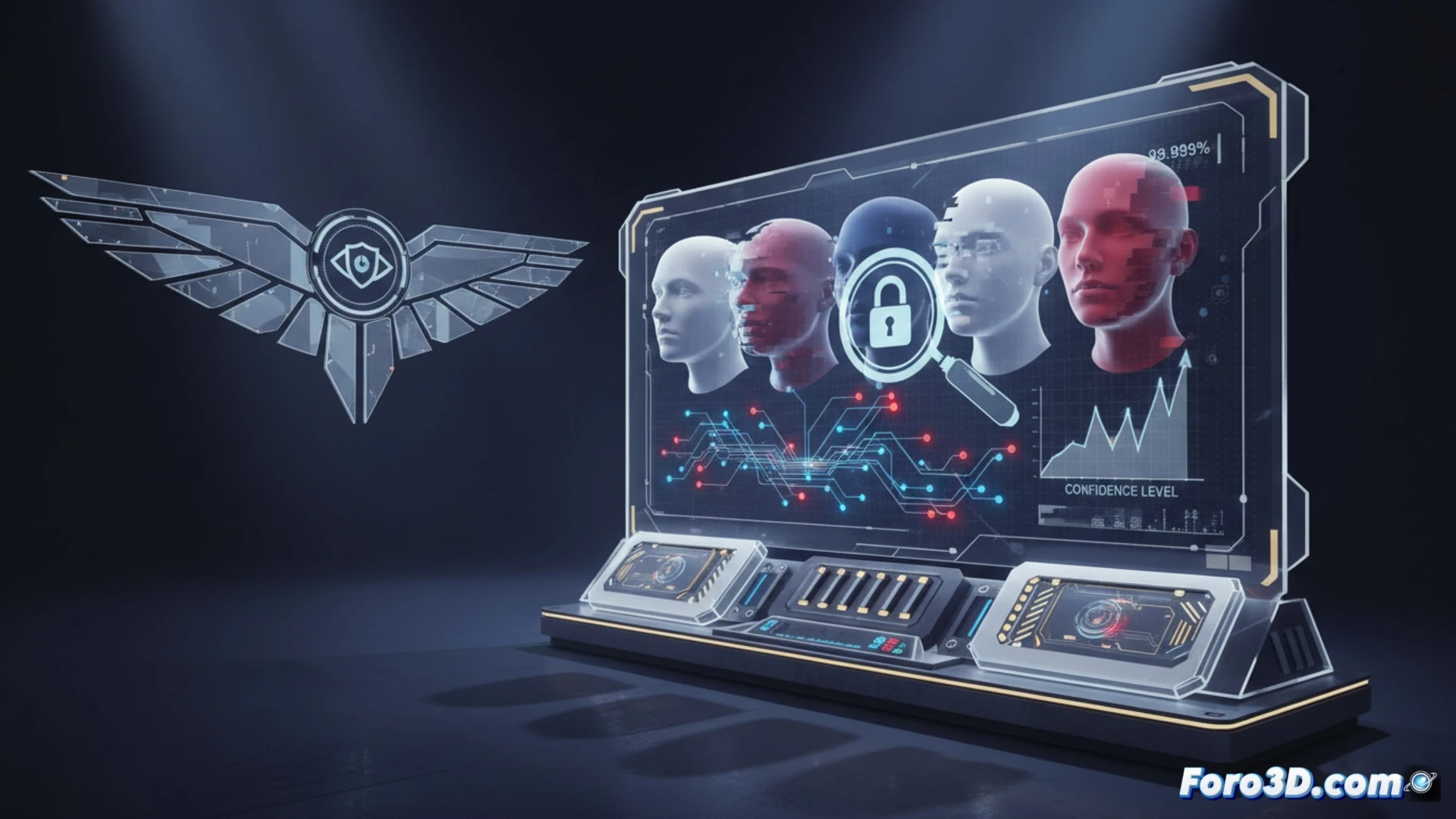
Lighting analysis and 3D geometry 🛡️
Deepfake detection is based on anomalies that the human eye does not perceive. Through lighting analysis, algorithms evaluate whether shadows and reflections in the eyes match the scene's light source. 3D geometry allows verifying the consistency of facial contours and depth, revealing distortions typical of generative networks. Techniques such as detecting unnatural blinking or failed lip synchronization are key indicators that, like flight statistics, offer quantifiable certainty about the material's authenticity.
The illusion of constant risk 🔍
In aviation, safety is the absence of change in risk; in digital auditing, safety is the ability to detect manipulation regardless of its sophistication. Computer vision not only identifies technical flaws but also establishes a threshold of trust. As deepfakes become more realistic, 3D technology allows us to maintain prolonged exposure to this content without altering the perception of reality, ensuring that the truth remains statistically safe.
How can deepfake auditing integrate statistical safety methods to differentiate between real visual anomalies and systematic errors in digital evidence?
(PS: Detecting deepfakes is like playing Where's Wally? but with suspicious pixels.)