A measles outbreak has brought Bangladesh to its knees. Since March 15, more than 500 children have died, according to government data published on May 23, 2026. Hospitals in Dhaka are overwhelmed, with makeshift special wards but insufficient intensive care beds. In the last 24 hours alone, 13 minors lost their lives, bringing the total death toll to 512. It is the worst epidemic of a preventable disease in the country in decades.
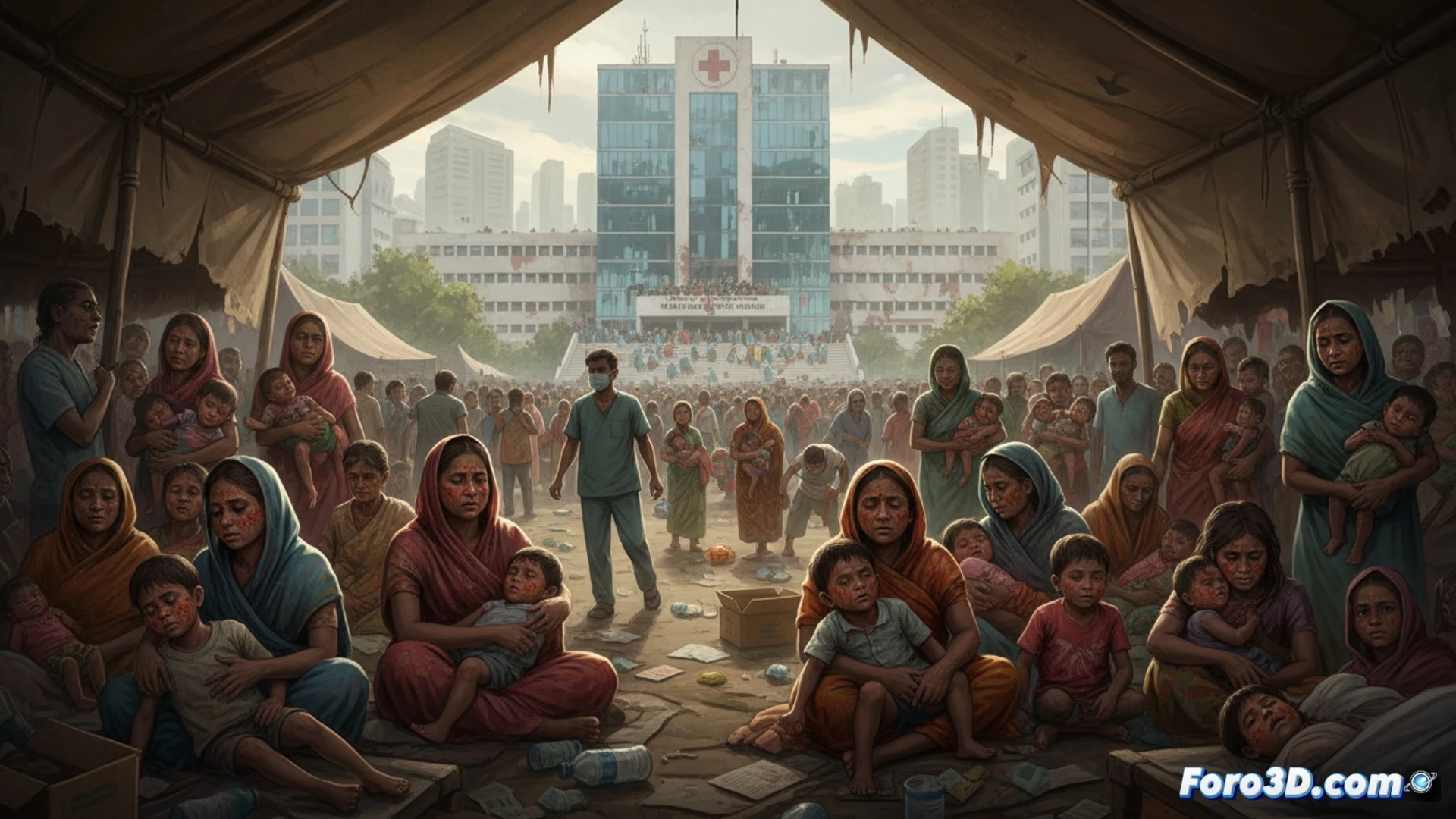
And technology? Without vaccines, data doesn't save lives 🏥
As hospitals fill up, the debate on the role of technology in public health resurfaces. Real-time monitoring systems and contact tracing apps exist, but without access to vaccines or ICU beds, their usefulness is limited. In Bangladesh, immunization coverage has fallen below 70% in rural areas. Data dashboards do not produce serums or free up beds. The digital divide here is not about connectivity, but about logistics and basic resources.
Innovative solution: rename the virus every week 💡
Faced with the crisis, some healthcare marketing creatives propose rebranding measles as Measles 2.0 or Measles Pro Max to make it look like a new technological challenge and attract funding. Perhaps if we call it biological malware, governments will take it more seriously. Meanwhile, children continue to die, and ICU beds remain as scarce as an iPhone charger during a blackout. Life's ironies: preventable, but not prevented.