Spanish health authorities prevented the takeoff of a medicalized plane bound for the Netherlands after detecting that a critical patient's support system lacked sufficient battery power. The decision, made on the boarding ramp, prioritized the patient's stability over the urgency of the transfer, highlighting a failure in the equipment preparation chain.
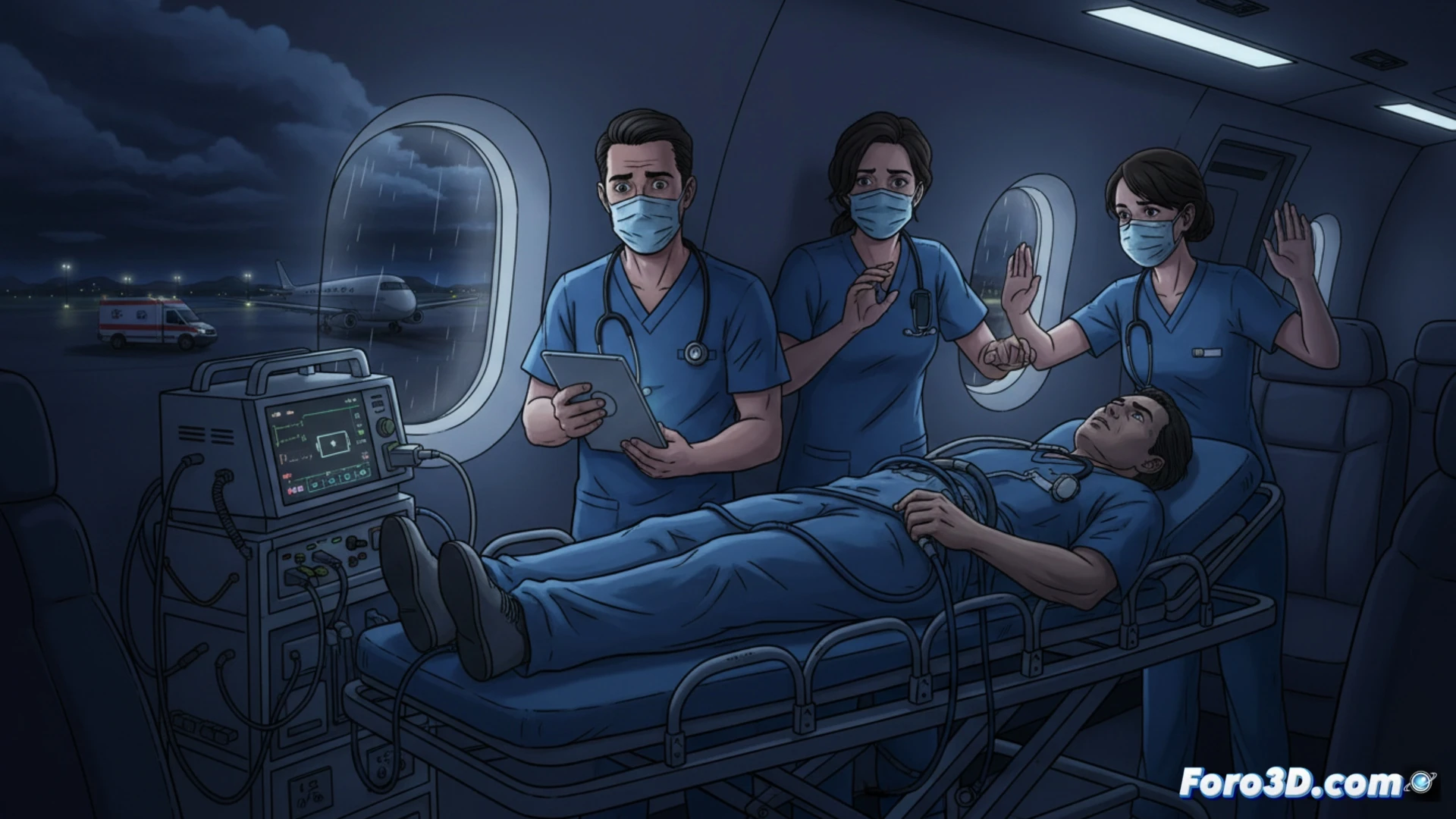
Technical logistics fail where electronics don't reach 🛩️
The incident exposes a weakness in aeromedical equipment review protocols. Portable life support systems rely on lithium batteries with limited charge cycles and monitoring systems that, in this case, did not alert in time. The absence of a redundant checklist before boarding allowed the device to reach the runway without the necessary autonomy for a multi-hour flight. Manufacturers recommend checking cell status before each use, but care pressure and tight deadlines often skip this critical step.
The plane didn't fly, but the anecdote does take off 😅
The story is already circulating through hospital hallways like a bad joke. A patient about to travel abroad, but their life support is grounded due to lack of batteries. As if the patient were a toy whose AA batteries were changed and then forgotten. Good thing it wasn't a defibrillator, because then the joke would be even darker: the doctor asks for two apricot batteries and the patient waits on the runway with their pulse in airplane mode.