A Russian court has ordered Euroclear, the Brussels-based central securities depository, to pay a multi-million dollar compensation to the Russian central bank for assets frozen in the European Union following the invasion of Ukraine. The ruling concerns funds immobilized by sanctions, but legal experts point out that enforcement on European soil is unlikely. ⚖️
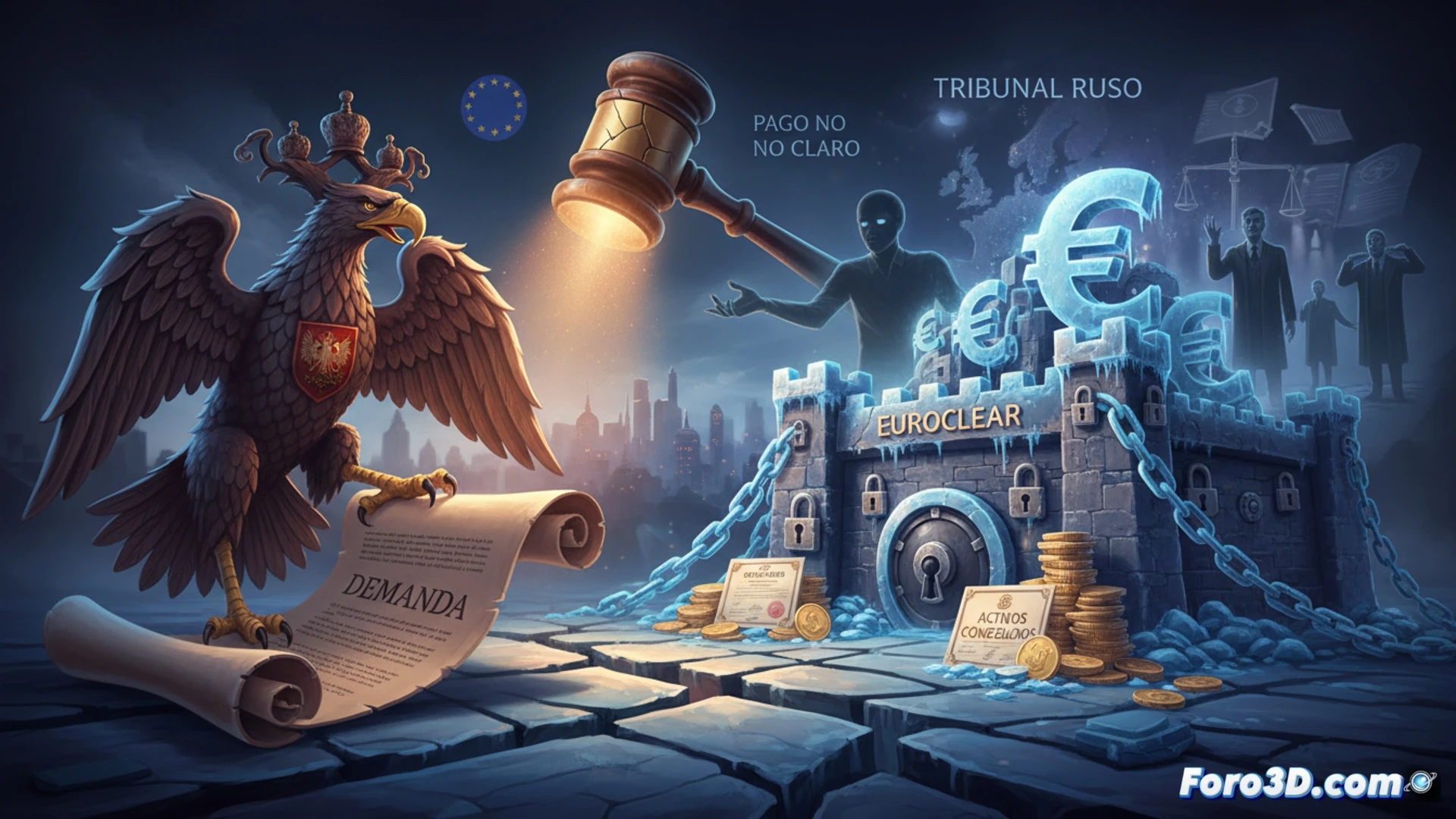
Financial infrastructure as a legal battlefield 🌍
Euroclear manages a significant portion of frozen Russian assets, valued in the billions. The Russian court decision seeks to use the very structure of the global financial system to apply pressure, but enforcement clashes with the sovereignty of European jurisdictions. The case exposes how clearing and custody platforms become geopolitical friction points, where local rulings have limited reach against international law.
The paper bill that never gets paid 💸
The Russian court has issued a payment order that will likely travel to Belgium in a virtual envelope, but no one in Brussels seems willing to open their wallet. It's like asking your neighbor to pay for the dinner you ate from their fridge: the logic is impeccable, but practical enforcement is conspicuously absent. Meanwhile, the lawyers are rubbing their hands together.