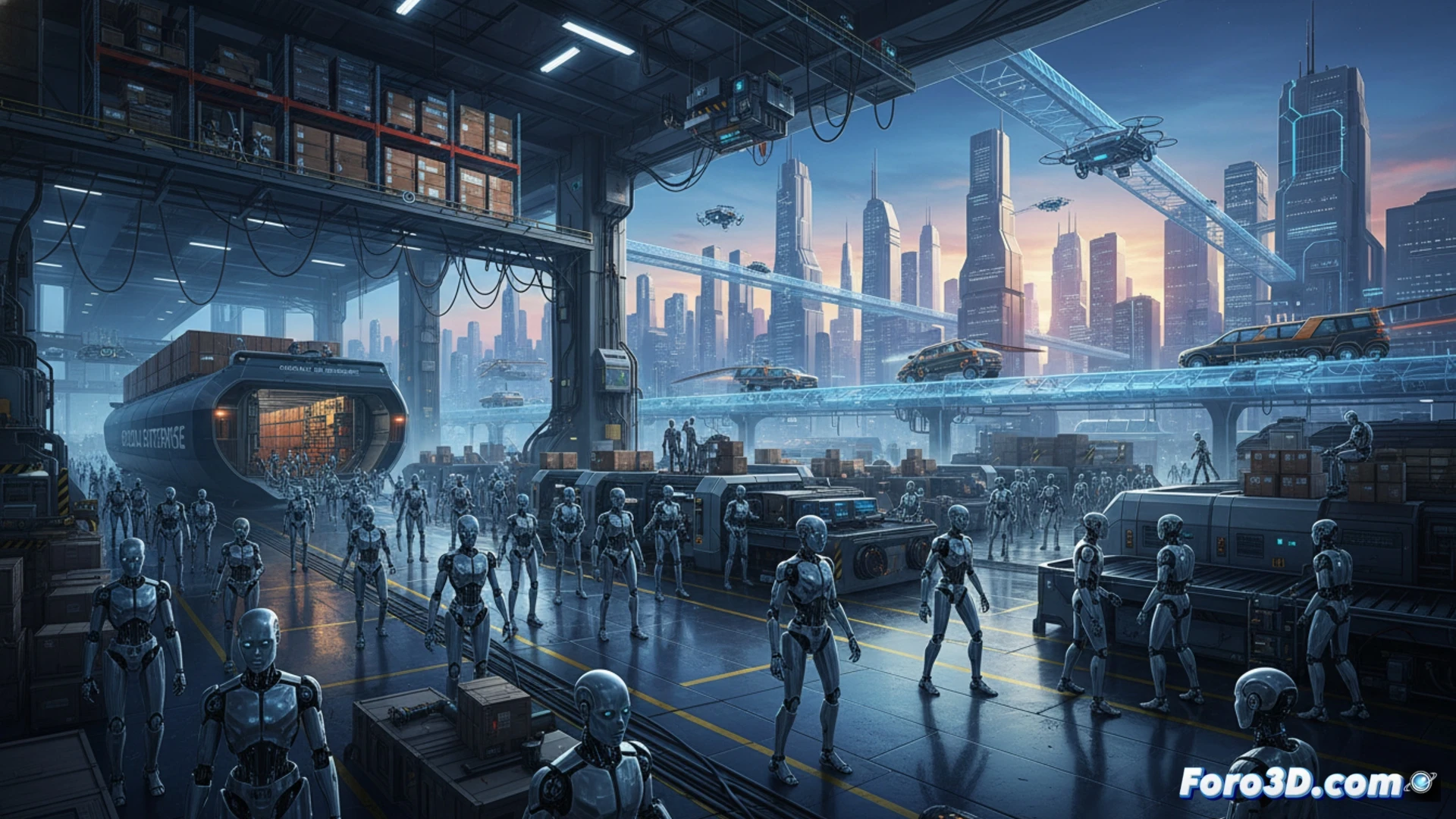
The global decline in birth rates reduces the available workforce, and companies are responding with massive investments in humanoid robots. These automatons, designed to mimic human movements, are already being prepared to take on jobs in factories, warehouses, and delivery services. For the average citizen, this means jobs like cleaning or logistics could disappear, but also that the production of goods and services will remain active.
Sensors and algorithms: the brain behind the replacement 🤖
Current humanoid robots integrate LIDAR sensors, depth cameras, and reinforcement learning algorithms to navigate complex environments. Models like Tesla's Optimus or Boston Dynamics' Atlas already perform assembly and loading tasks with precision. Companies prioritize energy autonomy and production cost reduction, aiming for each unit to work full shifts without direct human supervision. The goal is clear: fill vacancies that no one occupies.
Next step: making the robot pay for coffee too ☕
If the trend continues, you'll soon see a humanoid picking up your trash or bringing your order home. The funny thing is, while they work without complaining, humans will have more free time to... well, to watch ourselves lose our jobs. Sure, at least there will be more products on the shelves. Anyway, if you lose your delivery job, you can always become a robot repair expert. Or borrow one from your neighbor.