The remake of Riven (2024) is not a simple remaster; it is a total reinvention of the 1997 puzzle game. Developed in Unreal Engine 5, the project demonstrates how modern technology can reinterpret a classic art form. The key lies in two technical pillars: Nanite for geometry and Lumen for lighting, allowing the iconic islands of Riven to breathe with a level of detail and atmosphere previously impossible in real-time.
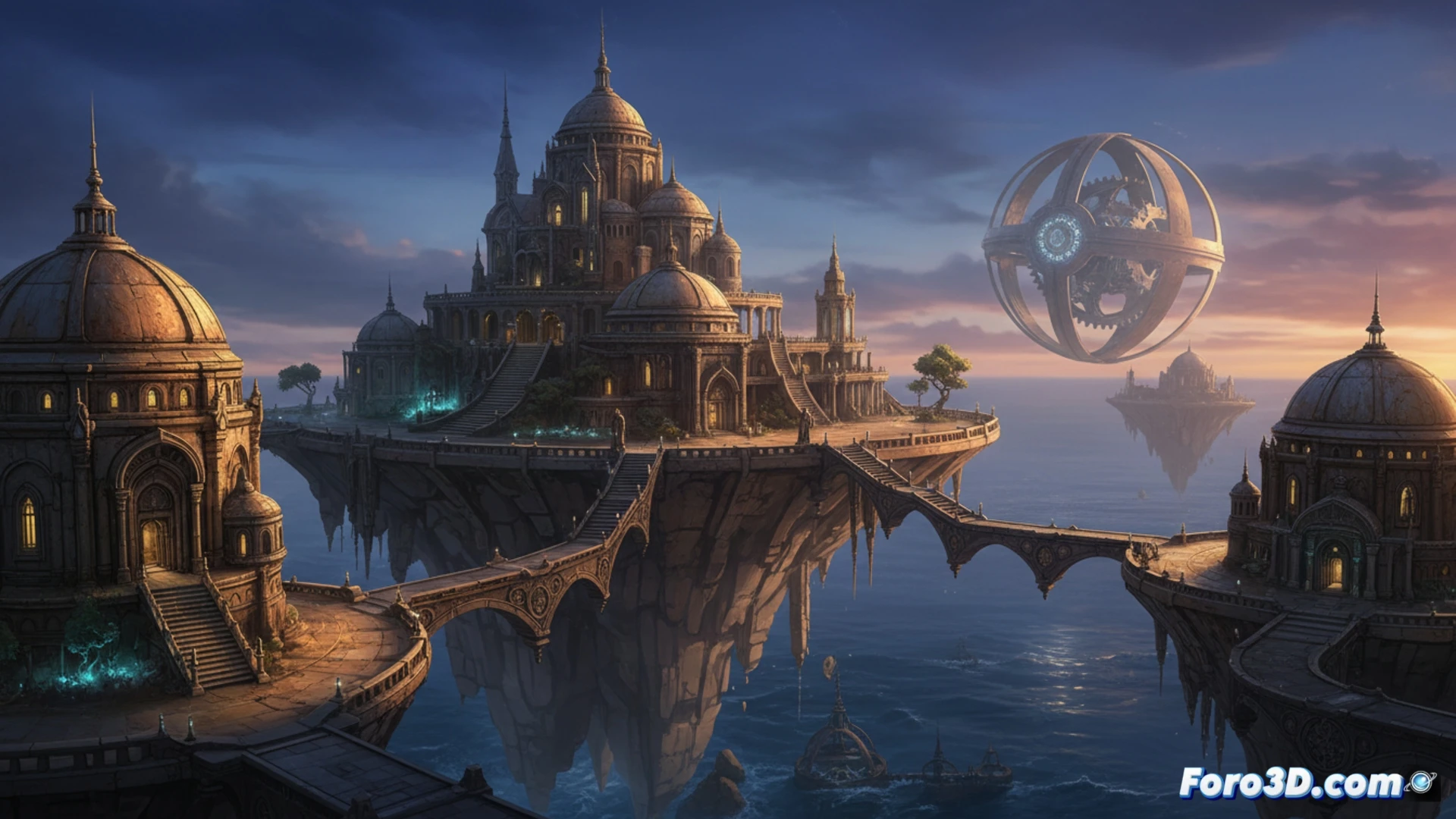
Workflow: Maya, Substance, and Nanite's Infinite Geometry 🛠️
The production pipeline combines Maya for base modeling and Substance Designer for creating procedural materials. The magic happens when integrating these assets into UE5 with Nanite. This system allows importing models with millions of polygons (rock sculptures, intricate metal structures) without worrying about traditional LOD. The team could sculpt every crack and relief in Maya, export the high-resolution mesh, and Substance handled the texture maps (diffuse, roughness, normal). By activating Nanite, the engine renders every detail efficiently, eliminating popping and maintaining cinematic fidelity even in close-up shots.
Lumen and the Dynamic Lighting of a Static World 💡
The original Riven used pre-rendered images; the remake bets on Lumen for a living world. Dynamic global illumination adjusts light bounces in real-time based on the sun's position on the islands. This transforms the experience: a cave that was cold at midday fills with warm tones and long shadows at sunset. The team configured Lumen to prioritize interior quality (where light bounces off copper and wood surfaces) without sacrificing outdoor performance, allowing the player to feel the passage of time in a world that was once static.
How does the remake of Riven in Unreal Engine 5 balance the use of Nanite and Lumen to preserve the handcrafted aesthetic of the 1997 original without sacrificing performance on mid-range hardware?
(PS: 90% of development time is polishing, the other 90% is fixing bugs)