A BBC report has uncovered an uncomfortable reality for the United Kingdom. Of the 14 official designated bathing sites in English rivers, 12 have water quality rated as poor. The main cause is contamination from fecal bacteria of human and animal origin. Authorities have issued clear warnings: do not swim. The problem spans from the River Thames to the Wharfe, with levels exceeding sanitary limits.
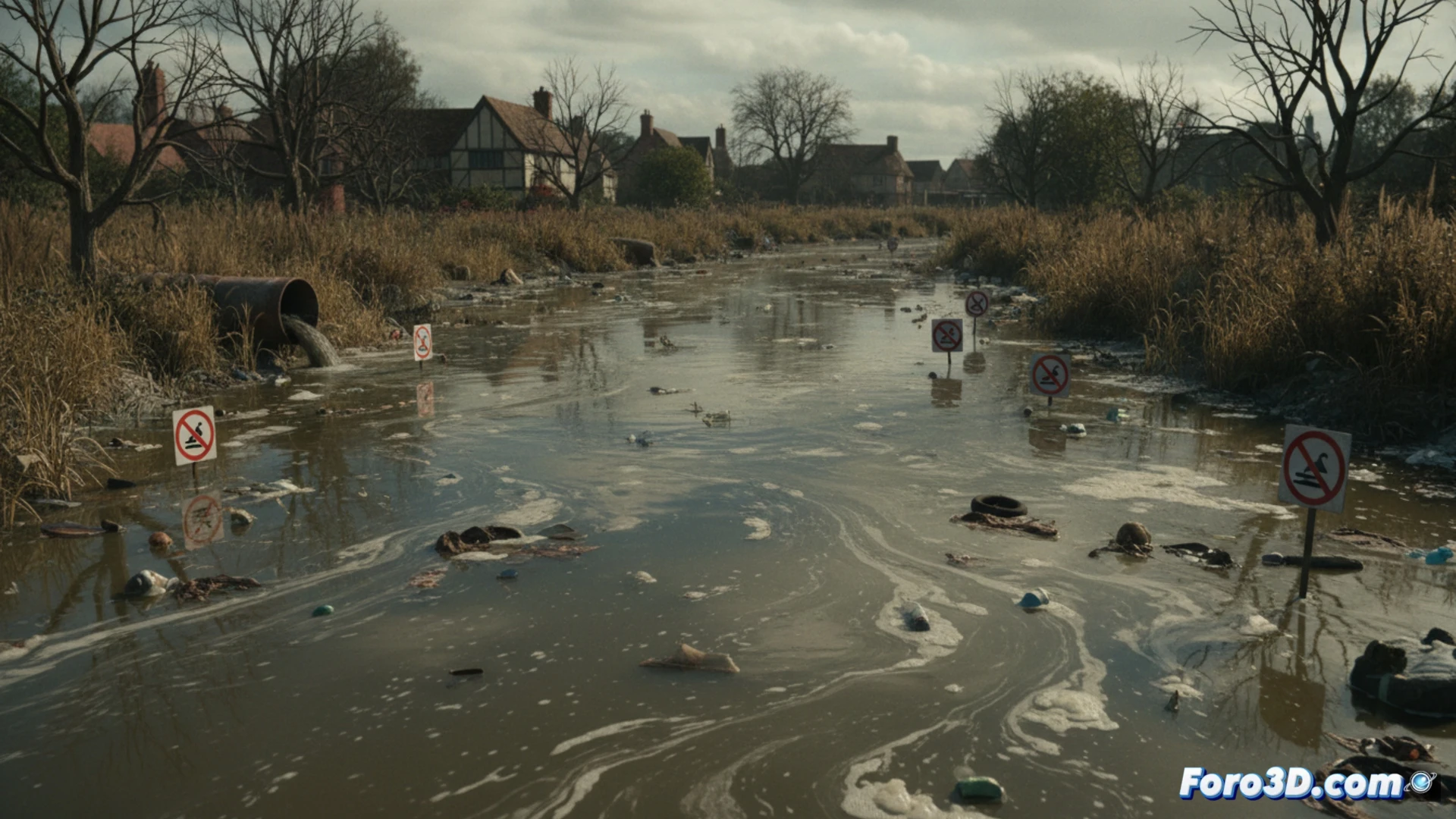
IoT sensors and predictive modeling to detect contamination 🌊
The technical solution to this problem involves implementing real-time sensor networks. Submerged IoT devices can measure turbidity, ammonia levels, and dissolved oxygen every 15 minutes. Data is sent to cloud platforms where machine learning algorithms predict contamination peaks before they reach bathing areas. Combined with rainfall and sewer overflow data, a system alerts swimmers via mobile apps. This would shift from annual reports to responses within hours.
Swim with a bacterial surprise included 🦠
If you're planning a swim in the River Thames, you might want to bring soap instead of a towel. With 12 out of 14 spots having poor water, the chances of coming out cleaner than you went in are low. The British government has invested millions in treatment plants, but old pipes and cows continue to do their thing. At least, if you swim in the River Wharfe, you'll have a complete experience: countryside scenery and someone else's gut flora. Just don't open your mouth.