The analysis of occupational risks in the chiropractic profession reveals a critical paradox: those who heal others' musculoskeletal systems are highly vulnerable to suffering the same ailments. This technical article proposes an interactive 3D visualization that cross-references epidemiological accident data with a virtual anatomical model, allowing real-time identification of patterns of overexertion and repetitive fatigue.
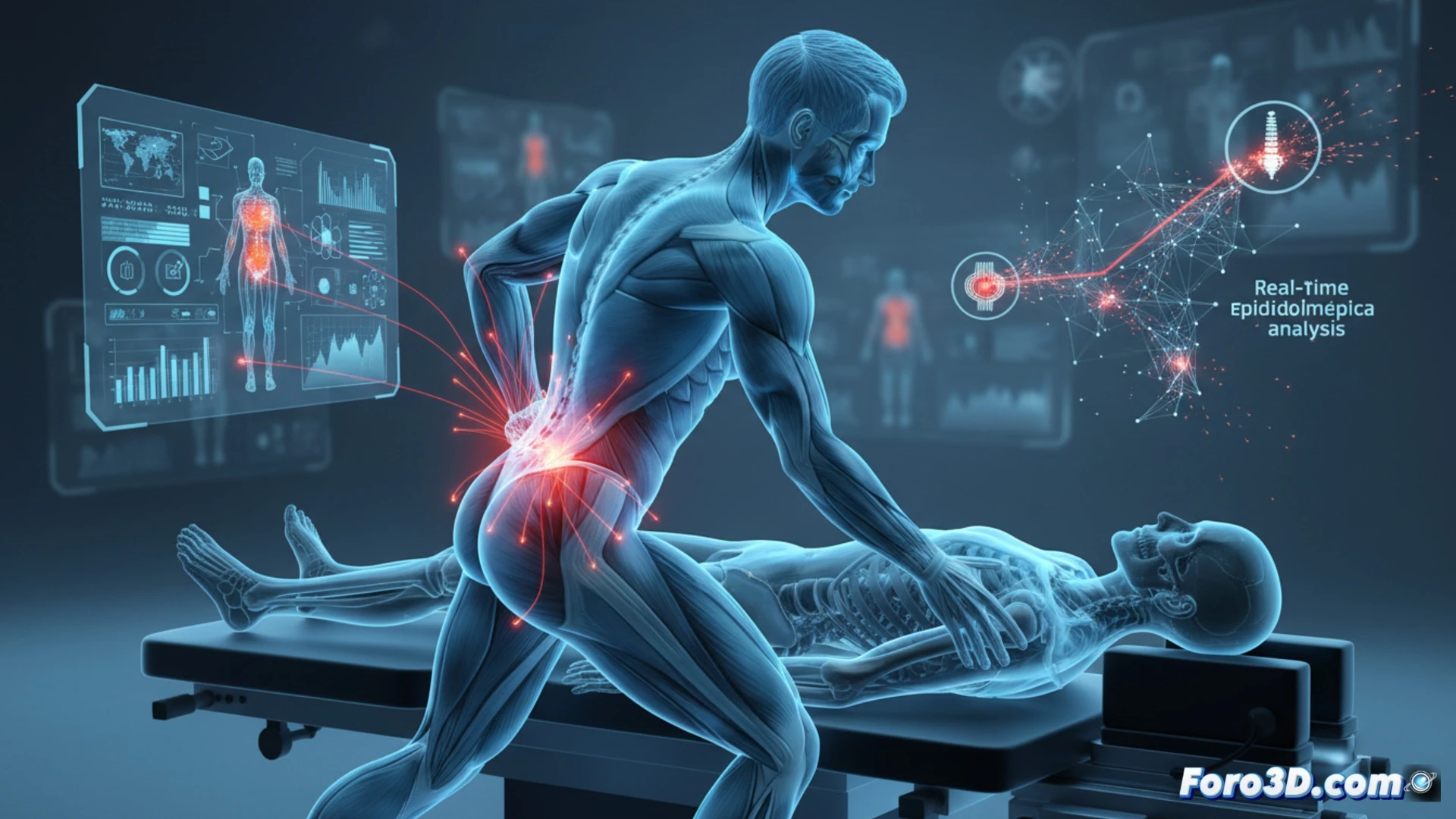
3D Modeling of Biomechanical Incidence and Heat Maps 🧬
The visualization is structured in three layers. The first is a 3D anatomical model of the chiropractor that integrates virtual sensors in the lumbar spine, wrists, and shoulders. The second layer overlays a dynamic heat map based on statistics of musculoskeletal injuries by body area, where intense red indicates a higher frequency of overexertion during adjustments and manipulations. The third layer incorporates bar charts comparing the incidence of falls, stress, and exposure to infections, offering a holistic view of occupational risk. This tool allows simulating forced postures and predicting cumulative fatigue through inverse biomechanics algorithms.
Visual Prevention: From Statistics to Body Awareness 🦴
The interactivity of the model not only informs but transforms passive prevention into active learning. By rotating the 3D skeleton and selecting hot spots, the professional visualizes the cumulative impact of their technical gestures on their own health. This approach, based on real public health data, turns visual epidemiology into a didactic tool against repetitive fatigue, promoting the adoption of active breaks and ergonomic techniques in the chiropractor's daily practice.
How could 3D visualization of the most common biomechanical injuries in chiropractors help redesign occupational safety protocols to prevent the paradox of healing while becoming ill?
(PS: the 3D incidence maps look so good they almost make being sick enjoyable)