Pediatrics, despite being a vocational specialty, hides a complex occupational risk profile. The professional not only faces a high workload but is also exposed to a cocktail of biological, physical, and psychosocial factors. From constant exposure to childhood infectious diseases to emotional exhaustion, the pediatrician needs visual tools that allow them to anticipate and manage these dangers. 3D visualization of epidemiological data can transform risk prevention into an interactive and educational process.
Heat map and propagation simulation in the waiting room 🔥
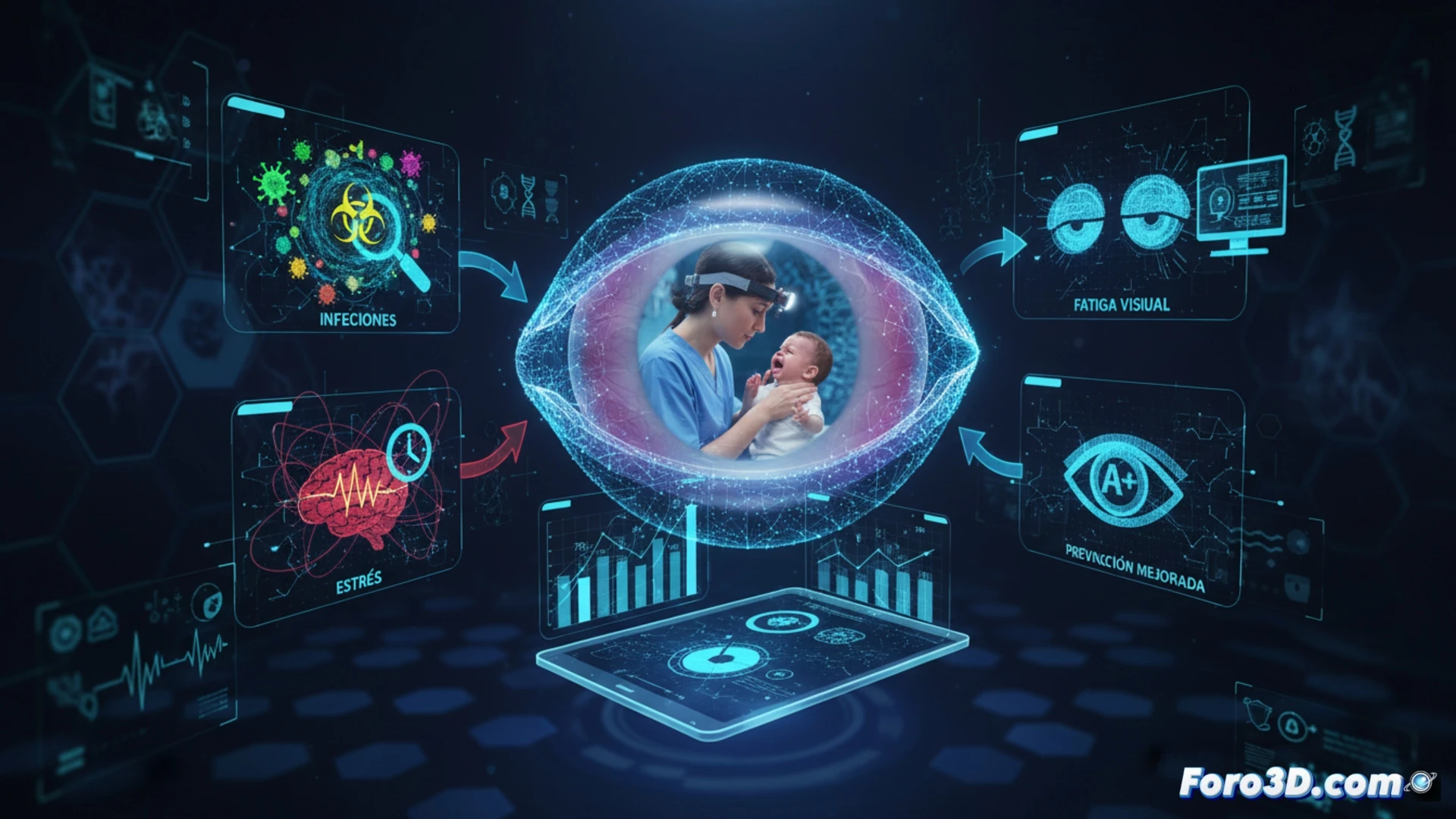
The proposed 3D infographic would integrate a heat map of disease incidence such as flu, chickenpox, and bronchiolitis, geolocated by time slots and seasons. A simulation model would show the dispersion of viral aerosols in a typical waiting room, calculating the viral load based on patient flow and ventilation. Additionally, a shift-based stress chart would be included, correlating the number of consultations with cortisol peaks. The 3D anatomical model would detail the forced postures when examining young children, highlighting tension points in the cervical and lumbar spine. Data from the INSST indicates that 45% of pediatricians report chronic lower back pain.
Visual prevention against burnout and verbal aggression 🛡️
The infographic not only shows the risk but also offers escape routes. An interactive module would allow the user to select a verbal aggression scenario and visualize de-escalation techniques in real-time. The representation of emotional exhaustion would be done through a burnout thermometer, which lights up when accumulating stressful factors. The final recommendation includes scheduled active breaks, the use of physical barriers in consultations, and training in assertive communication. Visualizing the risk is the first step to neutralizing it.
What is the main visual risk a pediatrician faces during the ophthalmoscopic examination of an infant and how can it be mitigated with 3D visualization technologies?
(PS: the 3D incidence maps look so good that they almost make being sick enjoyable)