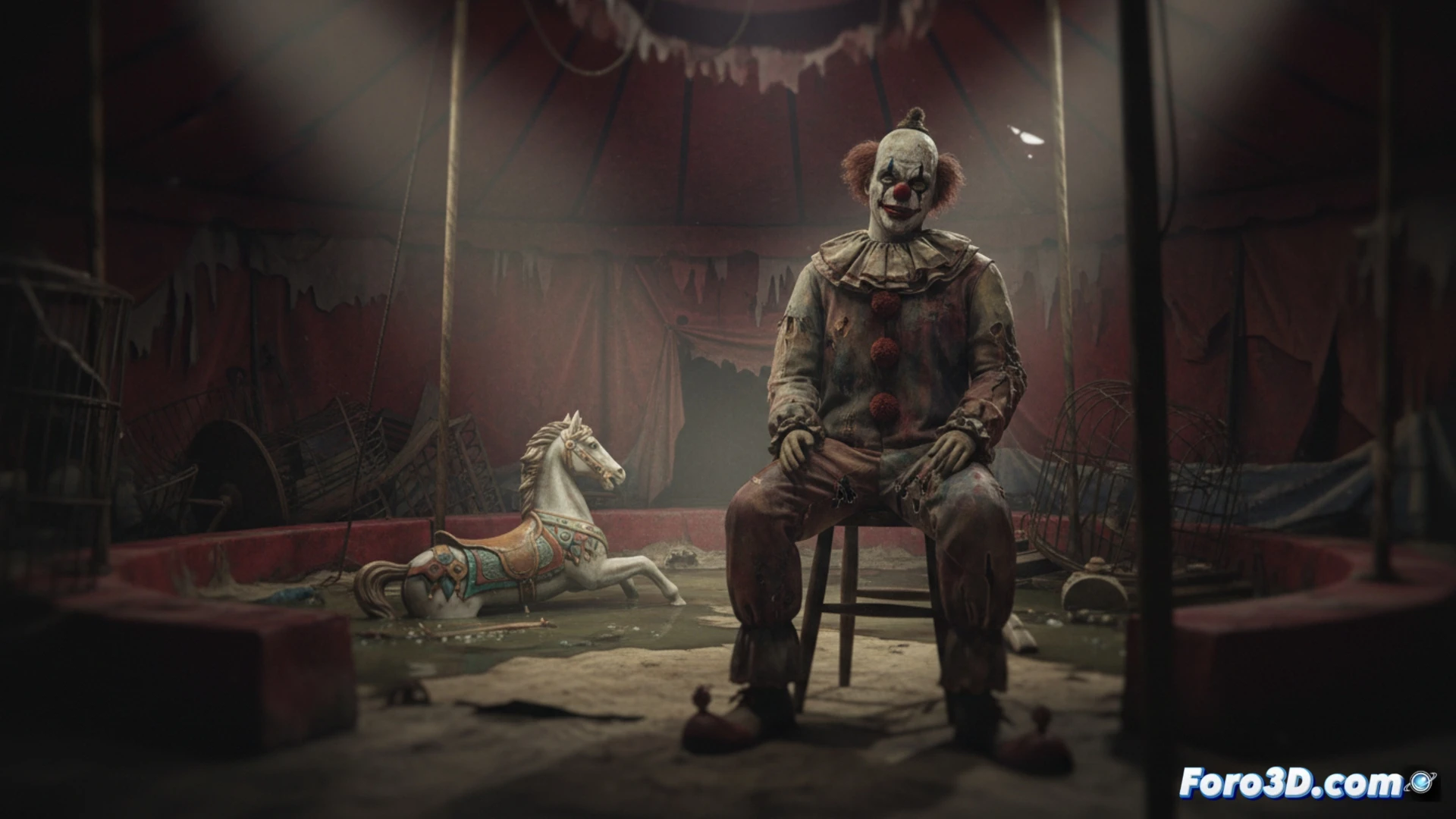
REVEIL positions itself as a technical benchmark within indie psychological horror by transporting the player to a 1960s circus with a photorealistic level of detail. Developed in Unity, the title exploits the combination of high-resolution textures created in Substance Painter and Photoshop with a deep use of depth of field. The result is a dreamlike and oppressive atmosphere that challenges the user's perception.
Texture creation and depth of field in Unity 🎪
To achieve photorealism, the REVEIL team uses Substance Painter for asset texturing, applying period-specific wear and dirt, while Photoshop is used for retouching normal maps and ambient occlusion. The key technical trick lies in the use of Depth of Field in the Unity camera. By configuring a very narrow focus range and simulating chromatic aberration at the edges, a dreamlike sensation reminiscent of a nightmare is generated. For indie developers, it is recommended to use Unity's Post-Processing Volume component and manually adjust the Aperture and Focus Distance parameters in the camera script.
Tips for replicating the nightmare aesthetic 🎭
If you want to emulate the REVEIL style in your horror project, prioritize lighting consistency. In Substance Painter, work with dirt and dust layers to age objects, but avoid excessive saturation. In Unity, combine depth of field with a slight vignette and a 60s film grain. A practical tip: do not apply blur to the entire scene; use it only on distant objects or at the edges of the frame to direct the player's attention and generate visual discomfort.
How does REVEIL in Unity create a psychological horror atmosphere through the combination of worn textures and blur techniques without sacrificing performance on mid-range hardware?
(PS: 90% of development time is polishing, the other 90% is fixing bugs)