Chinese filmmaker Bi Gan returns with Resurrection, an auteur spectacle that defies any label. The film blends dreams, poetry, monsters, and hallucinations to build an intense sensory experience. In a context of advanced technology, the work reminds us that the human body remains the center of the narrative. The history of cinema is rewritten in a mix of genres that challenges the viewer, taking them on a majestic and unrestrained journey where every shot is its own universe.
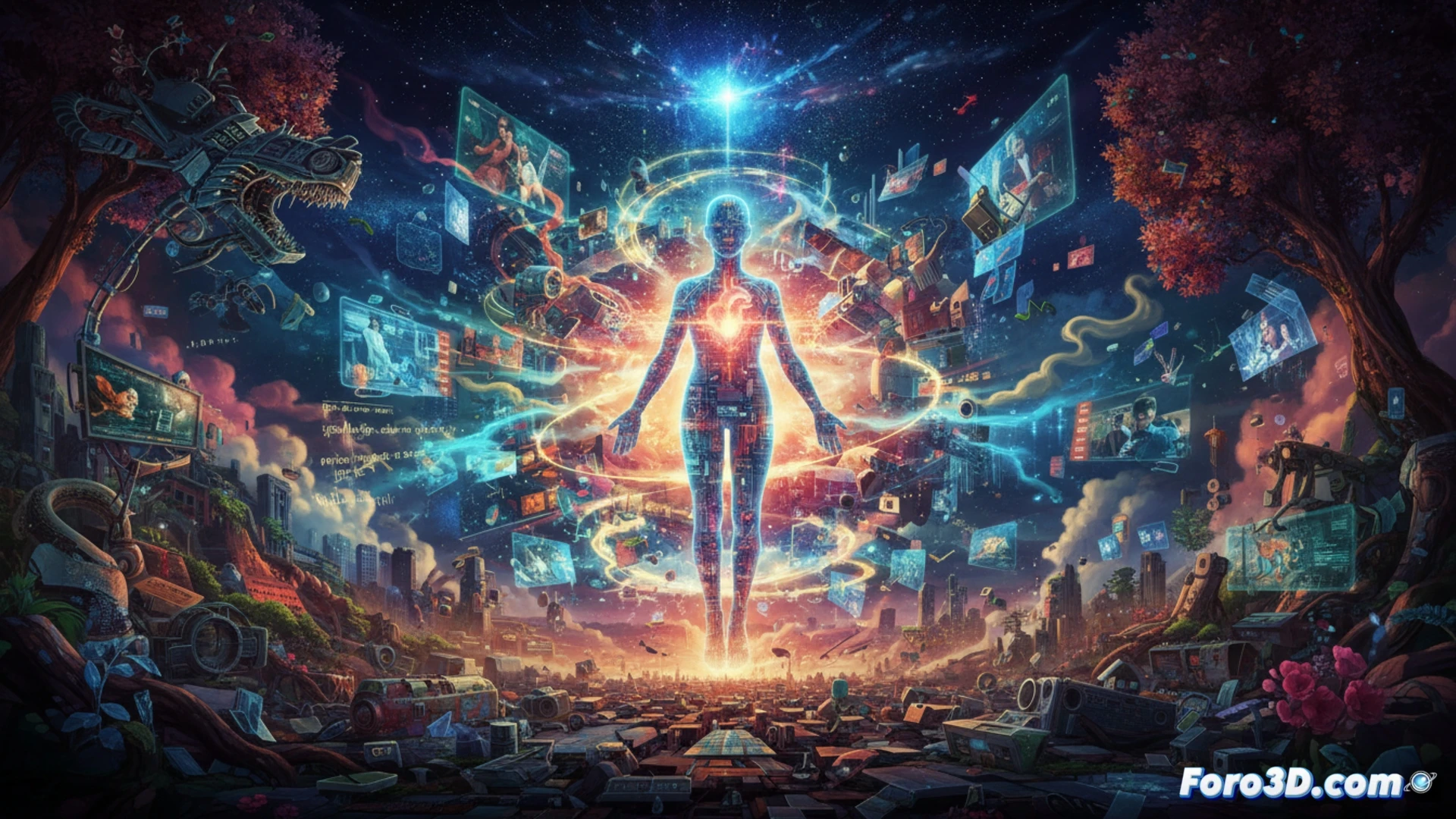
Technology at the service of controlled chaos 🎥
Bi Gan employs extensive long takes and visual effects that distort space-time, but without falling into empty spectacle. The narrative fragments into dreamlike layers that demand active attention from the audience. The camera, far from being a simple observer, becomes another character that guides the viewer through labyrinths of reality and fiction. The director uses technology to enhance the physicality of the actors, reminding us that cinema, no matter how digital, depends on the body as an emotional vehicle. Every transition is a calculated shock effect.
Watch out, the monster is you (or your seat) 🐉
Watching Resurrection is like trying to read an avant-garde poem while being chased by a three-headed dragon. Bi Gan forces you to leave your phone, and if you dare, even your brain at the door. Amid hallucinations and cinephile nods, the film reminds you that your body is there, sweating in the seat, while the screen vomits colors and metaphors. In the end, you leave the theater wondering if what you saw was a masterpiece or a dream induced by expired popcorn.