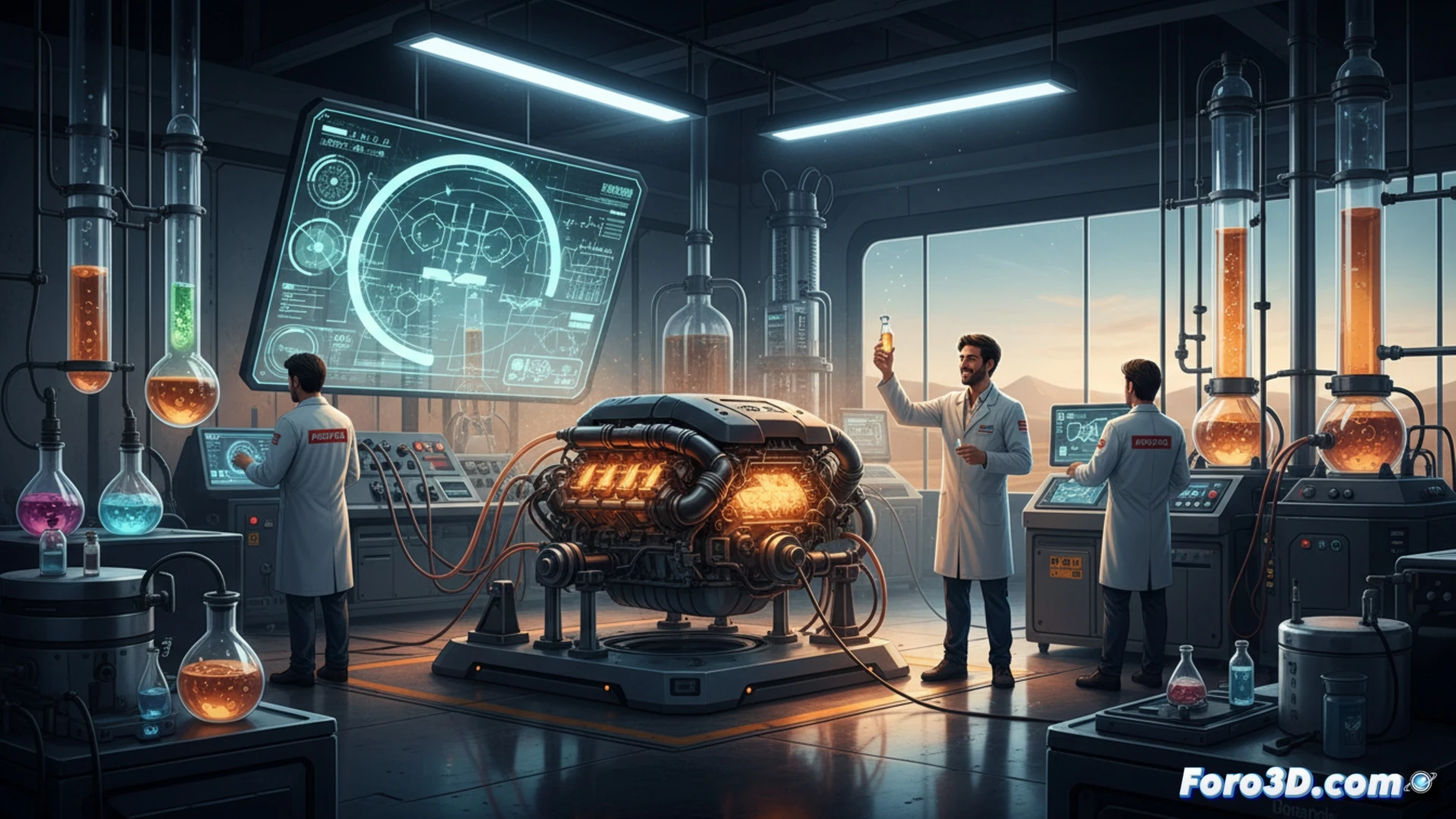
Repsol has integrated the Toyota Dakar engine into its TechLab with a clear objective: to research fuels that reduce consumption and pollution. For the average citizen, this means that more efficient fuels are being developed that could lighten both the wallet and the air, although for now they are only tested in the lab, far from gas stations.
A competition test bench for the street 🏎️
The Toyota engine, famous for its endurance in the Dakar rally, serves as a test bench to calibrate new fuel blends under extreme conditions. Engineers analyze how the engine reacts to fuels with a lower carbon footprint, adjusting combustion parameters. The idea is to validate technologies that, in the future, will allow production cars to consume less and emit less without losing performance.
And you, meanwhile, paying per liter as if it were liquid gold 💸
So, while Repsol tests racing fuel in an engine that has survived the desert, we keep filling the tank with our eyes fixed on the meter, hoping it doesn't go up another cent. The irony is that the solution to saving gas is in a lab with a competition car, while our runabout waits in the workshop. But hey, at least the Dakar pollutes less in its tests.